A wetter seasonal outlook can coexist with a dry month. A warmer winter can still contain a dangerous cold spell. That is the first thing to keep in mind as El Niño strengthens and Americans begin looking for a winter 2026–2027 forecast. The important news is not that one weather outcome has been guaranteed nationwide. It is that a developing Pacific climate signal gives planners a reason to look carefully at regional exposure, official outlooks and practical household vulnerabilities.
This explainer follows the October 8 NOAA ENSO update and examines the regional questions behind the headlines. It concentrates on U.S. readers while adding context for Canada and the UK. It is news analysis using linked public sources, not an independent forecast or a prediction for a particular address. Our suggested review questions and household examples are editorial planning tools. They should be used alongside local guidance, with immediate warnings taking priority.
.jpg)
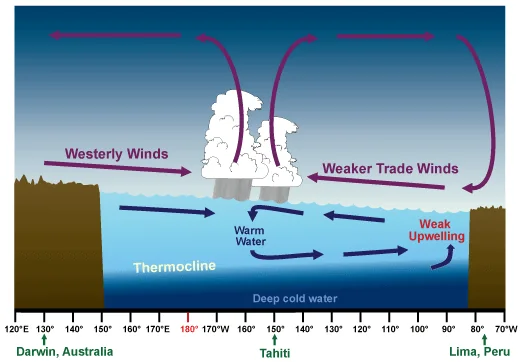
Watch: El Niño and La Niña explained
Why a national headline is not a local winter forecast
El Niño describes a climate pattern with effects that vary by place and season. The National Weather Service's Tucson ENSO resource illustrates historical patterns and explains that other atmospheric processes can make individual events differ. Those historical maps are useful for understanding tendencies. They should not be read as a guarantee that every location inside a shaded area will experience the same precipitation total or temperature this winter.
For a household, the distinction is practical. The news may justify checking a known drainage problem before winter, but it cannot tell you whether to drive across a particular bridge tomorrow. A seasonal average is also different from a sequence of daily conditions. Our recommendation is to write two separate notes: the regional outlook you are following and the specific local forecast or warning that would change your immediate plans.
What the latest Pacific update contributes
NOAA's October 8 ENSO discussion describes a strengthening event. Read our forecast update for the dated probabilities and the distinction between persistence, intensity and a historical record. This article focuses on the next question: how to translate a broad climate development into a regional information plan without inventing certainty about a city or street.
One useful editorial test is to ask what a forecast actually resolves. It may strengthen the case for paying attention to a season, while leaving unresolved the timing, location and severity of individual storms. That unresolved detail does not make preparation pointless. It means preparation should focus first on known exposure and essential arrangements that would help during more than one kind of disruption.
Southern U.S. readers should separate rain from flood exposure
The NWS Jackson ENSO explanation describes a winter and spring tendency toward wetter, cooler conditions in the Deep South during El Niño. That broad tendency is not a statement that every southern home will flood. Flood exposure is a more specific question than seasonal rainfall, and the next relevant information comes from local forecasts, river information, emergency management and the conditions around the property.
Our suggested review starts with experience rather than a new product. Has water previously collected near your entrance? Is your usual route affected when a nearby creek rises? Does your workplace have a closure procedure? Who checks on a relative if their road becomes inaccessible? These questions identify decisions you can plan now. They do not require assuming that this year's outcome will repeat an earlier event or exceed it.
Flood safety is about the route, not the vehicle's confidence
The National Weather Service's flood safety guidance warns against entering floodwater and against entering rooms where water covers electrical outlets or submerged cords. Roads and buildings should not be assessed by appearance alone. A familiar route may be unsafe when conditions change, and driving experience does not make a flooded crossing a sensible shortcut.
Our planning suggestion is to identify an alternate route before a warning is active, then verify that route at the time rather than assuming it remains open. Agree on who makes the transport decision for children, relatives and pets. Keep official closure information accessible. If authorities tell you to leave, a bag of supplies should support leaving safely, not become a reason to delay until every item is packed. A shopping recommendation cannot replace that decision.
A warmer North still needs an outage plan
Seasonal “warmer” language is easy to misread as protection from winter trouble. The NWS Boulder ENSO resource presents historical patterns and notes the role of other processes. A household should retain its ordinary winter arrangements while following updated local forecasts. The relevant question is not whether the seasonal average sounds comfortable; it is what your family would do if an essential service were interrupted.
In our example, a renter relies on electric heat and a lift. Their useful preparation includes a safe destination, transport assistance and contact with building management about emergency procedures. Another household may need a plan for refrigerated medicines or a powered mobility device. Those are hypothetical examples, not predictions of an outage. They show why practical vulnerability can matter more than an appealing national temperature headline.
The Pacific Northwest's snow question
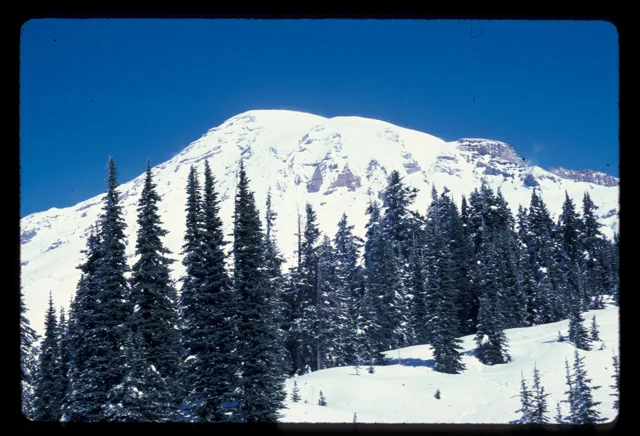
The USDA Northwest Climate Hub explains that warmer, drier conditions in Idaho, Oregon and Washington can reduce snow and affect later runoff. It also describes potential coastal and marine effects. The guidance is regional context, not a snow-total forecast for each ski area or a water-allocation decision for each community. Its older embedded probability should be read with its original context, not repeated as today's latest figure.
Readers should distinguish the winter recreation question from the household water question. A disappointing snow season and a utility restriction are different developments with different sources of information. Keep those sources separate in your plan. For a mountain trip, use the forecast, road conditions and relevant land-manager advice. For water supply, follow the serving utility and local authorities rather than making assumptions from photographs of a dry hillside.
Snow drought is more than a picture of bare ground
Drought.gov's explanation of drought includes snow drought and its relevance to reservoirs, ecosystems and winter recreation. The concept helps readers understand why winter conditions can have consequences beyond the winter itself. It does not tell a household when restrictions will begin or what amount of water must be stored for the entire summer.
Our editorial recommendation is to maintain a small record of local updates: source, date, affected service and required action. If the water utility changes its instructions, record the actual instruction. If a regional assessment changes but the utility has not issued a household requirement, do not invent one. This approach makes it easier to follow a developing situation without confusing a scientific indicator with a rule that has already taken effect.
Alaska should not be folded into the same shorthand
The Northwest hub describes differences between Alaska and the lower Northwest states. Its explanation includes a tendency toward wetter Alaska falls and warmer, drier winters. That is why the phrase “the Northwest will be dry” is insufficient for a story serving readers across the region. Conditions, seasons and locally relevant services need to be specified.
For remote households, our suggested review focuses on existing arrangements: how weather information arrives, who knows the travel plan and which supplies have a usable reserve. We are not prescribing a universal resupply interval or claiming an interruption is scheduled. Ask the provider or authority responsible for your actual service. A plan based on a real dependency is more useful than a national checklist that assumes everyone can reach the same shops or shelters.
What Canadian readers should take from U.S. coverage
Environment and Climate Change Canada explains that Canada's strongest El Niño effects tend to occur in winter and spring, including milder weather in parts of western and central Canada. That is background climate information. A U.S. outlook map, U.S. warning radio or U.S. flood-insurance discussion should not automatically be presented as the corresponding Canadian service or policy.
Canadian readers should use the warning systems and local instructions serving their community. Our planning recommendation is to note the responsible weather authority, utility contact and emergency-management source in one accessible place. If family members travel between countries, keep the instructions specific to each destination. The goal is a usable information arrangement, not an international collection of links that nobody checks when conditions deteriorate.
The UK and Europe need their own seasonal context
The Met Office's discussion of winter drivers explains that UK winter weather depends on several factors, including the North Atlantic Oscillation. Its 2026 El Niño analysis adds current context for autumn and early winter. Readers should resist importing a U.S. north-versus-south pattern into Europe as though it were a universal map.
Our practical suggestion for Western readers is to prepare for locally relevant disruptions while preserving ordinary seasonal readiness. Check warning subscriptions and transport arrangements; review the conditions under which you would postpone travel. Do not assume that a warmer seasonal signal removes the need for safe heating or that a wetter signal means every home needs the same flood equipment. Use the serving authority's actual advice.
Why a drought outlook does not eliminate flood readiness
A household does not need to choose between believing in drought and believing in flooding. Those terms describe different conditions and time scales. The Drought.gov impacts overview describes drought's implications for water, infrastructure, health and livelihoods. During a season with water concerns, readers still need to follow local warnings for individual weather events.
Our recommended approach is to organise preparation by interruption: safe water, electricity, transport and access to information. That structure can support different hazards without treating them as interchangeable. You might repair a leaking tap while also identifying an alternate route around a known flood crossing. These are examples of complementary tasks, not a prediction that both emergencies will happen together. The local forecast determines the immediate response.
People and access belong in the winter story
The CDC's disability-inclusive emergency planning guidance asks readers to consider individual needs. Climate coverage becomes more useful when it includes that practical question. Who can reach the supplies? Who needs help getting downstairs? Who depends on a caregiver, a charger, a particular medication or transport that may need advance arrangements?
Our suggested household exercise is to have the person who did not organise the kit find the most important items. If they cannot locate the light, contacts or transport instructions, improve the arrangement before adding more equipment. Discuss the plan with helpers rather than assigning responsibilities they have never accepted. This is a proposed exercise, not evidence that it prevents every emergency, but it makes missing arrangements visible.
Outdoor plans should follow conditions, not a seasonal slogan
For hikers, campers and people doing outdoor DIY, the relevant decision is the condition expected at the place and time of the activity. A seasonal climate story cannot establish a trail's safety, river depth or road access. Our editorial recommendation is to pair the local forecast with the responsible land manager's information and keep a clear decision point for postponing a trip.
Packing an emergency light and water is useful preparation, but it should not be treated as permission to ignore closure notices. Likewise, a product marketed for outdoor use does not certify that a trip is suitable for the weather. Our day-hike guide and camping checklist can support planning. They should be read alongside current local conditions, not substituted for them.
A simple regional information routine
Keep four entries: the current climate outlook, local forecast, official emergency source and utility contact. Add dates, not just names. This is our suggested organisation method, designed to keep broad context separate from immediate instructions. During an active warning, the issuing authority's directions take priority. Outside an active event, a short routine review can help you notice material updates without monitoring every speculative post.
For each update, write down the action it actually requires. A new seasonal probability may prompt a household check. A road closure changes a journey. A boil-water notice changes water use. These are not equivalent developments. Making the distinction explicit prevents the climate story from swallowing the more urgent local information and helps family members understand why a particular plan has changed.
Start with one useful household task
Our recommended first task is a short walk through the home with the checklist. Find safe water, light, written contacts and the items specific to children, pets or care needs. Then choose one missing arrangement to resolve. It might be a cable, an agreed helper or a phone setting rather than a new purchase. Write down where the corrected arrangement can be found.
The complete El Niño preparedness guide includes the printable checklist and optional Amazon comparisons. The NOAA forecast explainer explains the latest Pacific bulletin. Keep the purpose of each page distinct: background understanding, regional interpretation and practical household work. None replaces an active local warning, and none establishes that your address will experience a particular disaster this winter.