The most useful El Niño preparation starts with a question you can answer at home: what would become difficult if water, electricity or transport were interrupted? You do not need to predict the exact next storm to find a missing torch, an unusable cable or an emergency contact stored only in a locked phone. This guide helps you build those arrangements into a household plan, with a complete tick-box checklist and optional Amazon comparisons below.
The latest forecast explainer provides the news context. This page provides the practical work. It is general preparedness guidance, not a local weather forecast, a medical plan or a claim that any product prevents disaster. Start with supplies you already own. Follow local warnings and evacuation instructions even if your kit is unfinished. The checklist supports preparation; it does not justify remaining somewhere unsafe.

Complete household checklist
Use these boxes as an inventory and arrangement review. Tick an item only when the relevant supply or plan is available and usable. Record its location, the person responsible and the next check date. Checkboxes on this page are temporary and do not upload your household information. Download the plain-text version to keep your own record offline; it contains no product links.
Supplies matched to your checklist
Start with the gaps you found above: stored drinking water, a backup source of weather information and a way to check cold-food storage. These three picks serve different checklist tasks.
As an Amazon Associate I earn from qualifying purchases.
Checklist supply picks
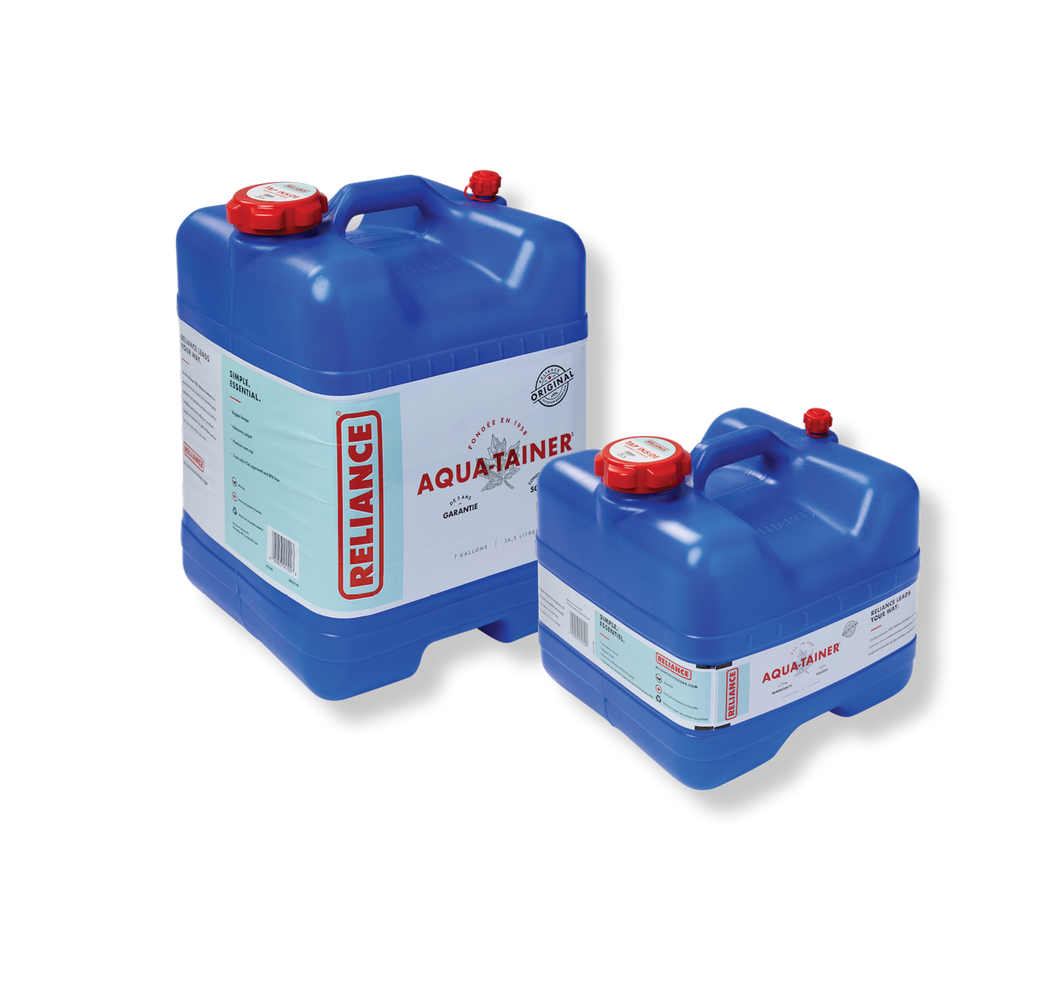
Reliance photo shows both sizes; selected model is 7 gallon.
Water storage · items 3–4
Reliance Aqua-Tainer, 7 gallon
Store your household drinking-water reserve in a dedicated container. The 7-gallon model holds 26 litres; plan enough capacity for everyone at home.
Find this model on Amazon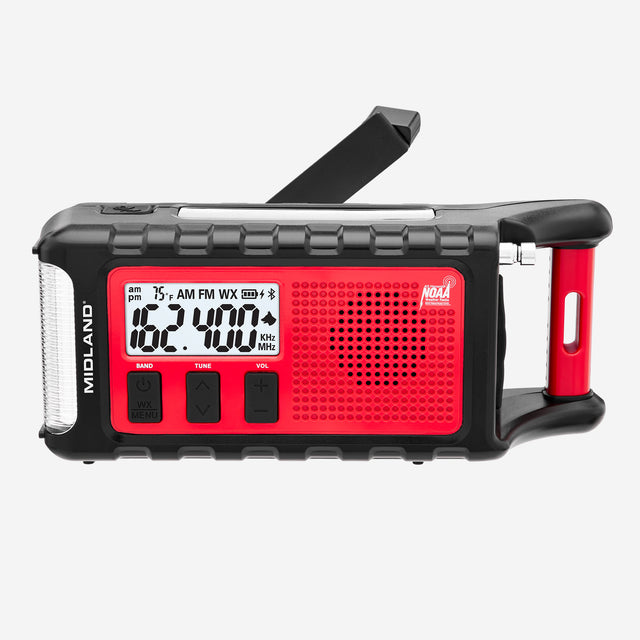
Photo: Midland
Weather information · item 9
Midland ER310PRO emergency radio
Keep AM/FM broadcasts and NOAA weather reception available when your usual information channels are interrupted. Tune and test your local station before an outage. NOAA coverage is for the U.S.
Find this model on Amazon
Photo: Rubbermaid Commercial Products
Refrigerator safety · item 19
Rubbermaid Commercial FGR80DC refrigerator/freezer thermometer
Keep an appliance temperature reading visible so you can apply the food-safety steps in this guide during a power interruption.
Find this model on AmazonLinks open model searches so you can choose the size and seller.
Watch: Build a kit on a budget
Match the plan to your actual household
Our recommended starting exercise is a walk through the home with the people who would use the plan. Ask what each person needs every day, which needs rely on power or clean water, and what changes if someone must leave. Write down actual arrangements rather than general promises. “A neighbour will help” needs a name and an agreed role. “We have batteries” needs a location and a device they fit.
Separate a home reserve from a bag you could carry. A home water supply may be too heavy to move, while an evacuation bag may be too small for staying home through a longer interruption. Keep both tasks visible. If you rent, ask the responsible building contact about existing emergency procedures and maintenance concerns. This is an organisation exercise, not a recommendation to carry out building work beyond your authority or skills.
Water comes before gadgets
The CDC recommends at least one gallon of water per person per day for three days, with a two-week supply where possible. Allow extra for pets, illness, pregnancy and hot conditions. For four people, the three-day baseline is twelve U.S. gallons, approximately forty-five litres. That calculation is a planning example; it does not replace specific advice for individual health needs.
Use suitable drinking-water containers and follow storage guidance. The CDC advises replacing water you fill yourself every six months and avoiding containers previously used for toxic chemicals. Our practical check is whether another household member can find, open and handle the supply. A refillable bottle is a carrying container, not the entire reserve or a purifier. During a water advisory, follow the local authority's instructions for the actual problem.
Food should work without your usual kitchen
Choose familiar shelf-stable food that fits household diets and can be accessed with the equipment you have. Our suggested check is to make one ordinary meal from the reserve without relying on the usual cooking routine. Do not use a grill or camping stove indoors. If the only stored meals require equipment you cannot safely use, the arrangement needs attention before the next shopping trip.
The FDA's outage guidance gives approximate closed-door cold-storage times: four hours for a refrigerator, forty-eight for a full freezer and twenty-four for a half-full freezer. Keep doors closed and use its detailed guidance to decide what to discard; smell or appearance alone does not establish safety. Put an appliance thermometer and the relevant instructions where you can find them before the power goes out.
Light, charging and warnings need a test
Locate a flashlight or headlamp, test it and check the power source. A rechargeable light needs a charging arrangement; a replaceable-battery light needs compatible batteries. Put the relevant cable with the device. Our suggested test is deliberately simple: can the person who did not pack the kit turn the light on without searching through several cupboards? Improve access before buying a second version of something already suitable.
For warnings, use the services available in your country. The NWS warning information page identifies U.S. Wireless Emergency Alerts and NOAA Weather Radio. Check reception and settings rather than assuming a new radio will work everywhere. A battery-powered AM/FM receiver may serve a different purpose from a device with automatic weather alerts. Readers outside the United States need broadcast services and warning channels appropriate to their location.
Flood preparation starts before water reaches the door
Review known access problems and ask the relevant maintenance contact about blocked drains, leaks or other concerns. Photograph important belongings for your private records and keep necessary documents accessible. Our suggested storage check is to move essential items away from a location you already know is vulnerable, where this can be done safely. Do not wait for an active hazard to begin organising the things you would take.
The NWS flood guidance says not to enter flooded rooms where electrical outlets or cords are submerged. Do not walk or drive into floodwater. Identify transport and an alternate route, then verify current conditions when needed. A water-resistant document pouch or emergency light supports the plan; neither makes a flooded road safe. Follow evacuation instructions promptly rather than delaying to finish the checklist or collect a purchased item.
Drought and heat require different actions
The NWS drought action guidance advises repairing leaks, reducing water use and following local restrictions. Our suggested review separates drinking-water needs from discretionary household uses. Record the utility's actual instructions and the date they were issued. Do not infer a restriction from a national headline or assume stored water allows you to ignore rules applying to your community.
For heat, the NWS heat-alert guidance recommends planning access to an air-conditioned place and checking on others. Write down where you could go and how you would get there if the home became unsafe. A bottle or portable fan is not a complete heat-safety plan. If someone needs medical advice about heat or fluid intake, involve their healthcare professional rather than applying a generic checklist to a personal condition.

Keep backup power from creating another emergency
The CDC's power-outage safety guidance says generators belong outdoors at least twenty feet from doors, windows and vents. Never run one in a garage or enclosed space, even with doors open. Do not use an indoor grill or camping stove, and use battery-powered lighting instead of flames. Follow device instructions and seek qualified help for electrical work.
Our product comparisons focus on small household tasks, not installing backup electrical systems. A phone power bank is not a certified solution for a medical device, a refrigerator or home heating. If someone depends on powered care equipment, ask the provider about an appropriate contingency and safe destination. Do not discover the mismatch by connecting essential equipment to a device selected only because its advertised capacity sounded large.
Medicines, accessibility, children and pets
The CDC's individual-kit guidance includes medication, adaptive-equipment batteries, communication aids, health documents and service-animal supplies. Review prescriptions and storage contingencies with the pharmacy or care provider. Keep private health details securely accessible to the people who need them. A first-aid box does not replace a prescription supply or professional care.
Our suggested access check is to have each user try the containers, light controls and contact record. Discuss transport assistance with the helper rather than simply listing their name. Add suitable food, water and supplies for children and pets. If someone cannot carry a bag, arrange who can help and what happens if that person is unavailable. The goal is a usable plan for actual people, not a photograph of a perfectly arranged kit.
Make the checklist usable in fifteen minutes
Our suggested short exercise is to find water, light, contacts and the household's most important individual supply. Ask someone else to locate them using your record. If something is missing, choose one action: replace a cable, agree on transport or ask a professional a storage question. Keep unfinished items visible instead of ticking them because you intend to deal with them later.
Review the plan after a household change, an official instruction or a failed equipment check. Use the regional winter explainer for context and the 72-hour kit guide for wider supply organisation. Preparation can begin today without a large purchase. During an actual hazard, stop the exercise and follow the relevant authority's instructions; protecting people takes priority over completing an inventory.