
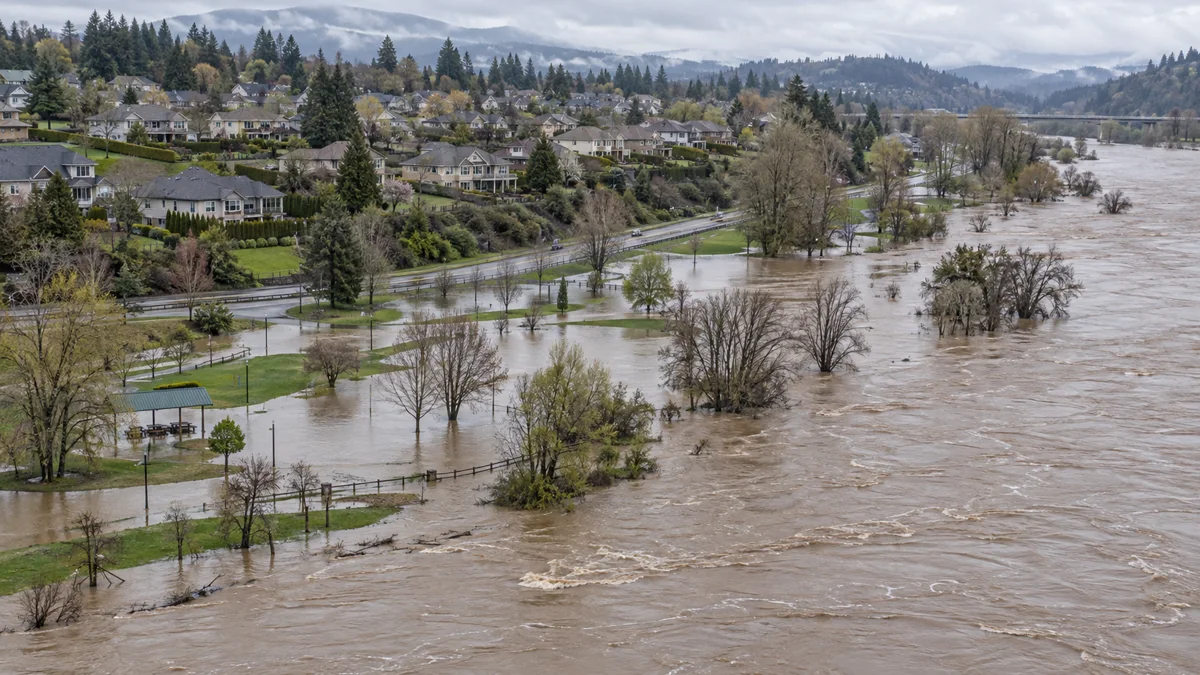
A flood does not need to reach your living room to disrupt your life. A closed bridge can separate you from work. Water across the school route can change the pickup plan. A flooded electrical room can interrupt an otherwise dry apartment building. That is why I would start an El Niño flooding plan with three questions: where can water collect, what can it cut off, and when would we need to leave?
In the United States, the southern tier deserves particular attention during an El Niño winter. California, the Southwest, the Gulf Coast and the Southeast can experience a seasonal pattern that favours wetter conditions. But a wet seasonal outlook is not a flood forecast for every neighbourhood. River levels, soil moisture, burn scars, tides and drainage determine where individual storms become dangerous.
This guide separates those regional patterns from the decisions you can actually make at home. If your next question is “how to prepare your home from El Nino,” use the linked home-preparation guide for property maintenance and supplies. Here, the priority is understanding El Niño flood risk, checking your address and building a plan that still works when a familiar road becomes unavailable.
Which regions are most at risk from El Niño flooding?
The most useful starting point is the southern United States, especially locations already exposed to river flooding, flash flooding or coastal water. NOAA describes a typical El Niño winter pattern with wetter conditions across much of the southern tier. California and southern states therefore merit an early review of flood preparedness. They are areas of concern, not a scientifically ranked list of the next places to flood.
The Pacific Northwest and northern states should not interpret their different seasonal tendency as an exemption. A region can finish a winter relatively dry while experiencing one destructive storm. Meanwhile, coastal neighbourhoods may face high-tide flooding that does not depend on heavy rain falling directly over the property.
For Western readers outside the U.S., the UK and Europe require their own forecasts and flood services. The tropical Pacific influences a much larger weather system, but an American rainfall pattern cannot simply be copied onto a British county or Canadian province. In every region, the practical priority is an exposed address with limited escape options, not a dramatic label on a national weather graphic.
| Region | Climate context | Household priority |
|---|---|---|
| California and Southwest | Southern winter storm tendency; local effects vary. | Rain, flash flooding, burn-scar hazards. |
| Texas and Gulf Coast | Southern-tier rainfall merits attention. | Rivers, low roads and coastal exposure. |
| Florida and Southeast | Wetter winter tendency can matter. | Drainage, river and access problems. |
| Coastal communities | Tides and weather add a separate hazard. | Check the local coastal forecast. |
| Northwest and northern U.S. | Drier seasonal tendencies are not protection. | Follow actual storm and river warnings. |
| UK, Europe and Canada | Use local services and regional forecasts. | Do not copy a U.S. seasonal pattern. |
Why El Niño can increase rainfall without predicting your flood
El Niño is the warm phase of the El Niño–Southern Oscillation, or ENSO. Changes in tropical Pacific ocean temperatures and atmospheric circulation can influence the jet stream and storm tracks. NOAA explains that the Northern Hemisphere effects are usually strongest in winter, with a tendency toward wetter conditions in the southern U.S. The pattern helps forecasters assess seasonal odds.
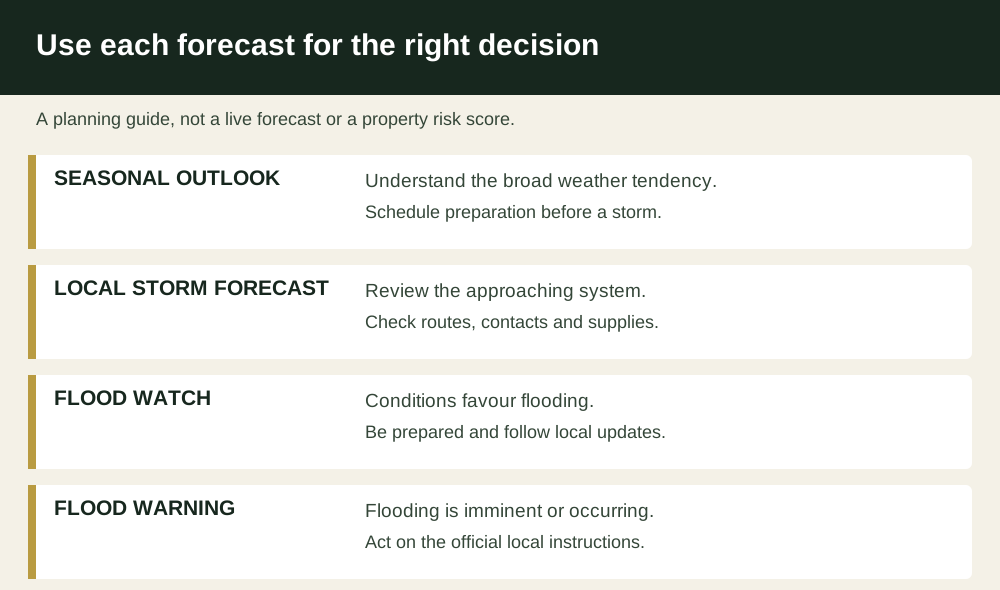
That is a different question from whether your driveway will flood on Thursday. A seasonal outlook considers broad conditions across months. A short-range forecast examines an approaching weather system. A flood warning responds to a particular threat. Your household needs all three levels, used for different decisions.
I would use a seasonal outlook to schedule preparation, a storm forecast to review the plan, and official warnings to act. This keeps the long-range information useful without asking it to provide an answer it cannot give. You do not need certainty about the whole winter to identify a vulnerable basement, save the local alert page or arrange transport for someone who cannot drive.
California flood risk goes beyond the coast
California is an obvious place to investigate El Niño rainfall, but the state contains different flood settings. A steep coastal watershed, a low valley neighbourhood and an urban street with overloaded drainage do not respond to water in the same way. Southern California's seasonal storm pattern is part of the picture; the position and persistence of individual storms matter enormously.
Atmospheric rivers can bring substantial moisture to the West Coast. NOAA describes them as important to both water supply and flood risk. El Niño is not a prerequisite for an atmospheric river, and it is not an explanation for every California flood. Treat the specific weather forecast as the operational information, then consider what repeated rain could mean for the watershed serving your community.
If you live downhill from a recently burned slope, add debris-flow information to your flood checks. USGS identifies postfire debris flows as rapidly moving mixtures of water, sediment and other material. A property can be exposed to hazards beyond ordinary standing water. Do not assume sandbags or a familiar rain total make that situation manageable.
My planning example would be a household that normally exits through one canyon road. The useful task is identifying whether an official evacuation route exists and when local authorities want residents to leave. A box of supplies does not replace that route. Before storms, ask the county about the relevant hazard area, sign up for alerts and agree on a destination beyond it.
The Southwest needs a flash-flood plan
Arizona, New Mexico and neighbouring dry landscapes can contain channels that look harmless when they are empty. A broad El Niño rainfall tendency does not mean every desert location becomes wet, but it is a reason to review flash-flood exposure alongside your local forecast. The important distinction is how quickly a route or drainage can become unsafe.
An ordinary household plan should identify washes, low crossings and roads with previous closure notices. Those features are worth considering even if the house itself sits on higher ground. A commute that crosses a low channel can be more vulnerable than the room where you store your emergency kit.
Do not wait for rain over your roof to decide that nearby water deserves attention. The National Weather Service notes that flash flooding can occur away from the area currently receiving rain. Follow warnings for the affected drainage and stay out of flooded crossings.
I would make the route decision before leaving home: if the usual crossing is closed, which approved alternative is available, and can the trip simply be postponed? This is especially useful for school pickup, medical appointments and family members returning at different times. A shared plan reduces the pressure to improvise beside moving water.
Texas and the Gulf Coast face several kinds of water
Across Texas and the Gulf Coast, seasonal rainfall concerns can meet rivers, bayous, low roads and coastal exposure. It is tempting to place everything under “storm flooding,” but that hides the information a household needs. Inland rainfall flooding, river flooding and coastal water can require different warnings and evacuation decisions.
A neighbourhood near a river may need to watch conditions upstream rather than judge risk from its own rainfall. A coastal household should consider the local tide and coastal forecast as well as rain. A city resident may need to understand whether surface water can interrupt the route out of a building or reach a ground-floor utility area.
El Niño does not make any of those locations flood automatically. Nor should its broad influence on hurricane activity be treated as protection from a particular tropical storm. A household flood plan is useful regardless of the season's storm count because a single event can affect an exposed address.
Write down which authority issues your warnings and which agency publishes road closures. Keep those links together. For a Gulf Coast household, I would also separate the decision to shelter during a routine outage from the decision to evacuate a threatened area. Supplies help with the first; following local instructions matters for the second.
Florida and the Southeast should check winter storm exposure
Florida and much of the Southeast sit within the southern U.S. region where El Niño can favour wetter winter conditions. That makes winter flood preparedness relevant even after the familiar summer storm routine ends. Think about low roads, rivers, urban drainage and coastal neighbourhoods rather than looking only for a hurricane headline.
The same county can contain homes with very different exposure. A raised property with a dry entrance may still rely on a low access road. A renter on an upper floor may lose elevator service or access to a ground-level vehicle. A household outside a river floodplain may still encounter water collecting on paved surfaces.
The practical exercise is to separate where you sleep from how you leave. Review both locations, then include the school, workplace and other places your household regularly uses. Knowing which journeys can be delayed is often more helpful than adding another item to a shopping list.
For households with mobility or medical needs, arrange support before a warning arrives. Ask the relevant local service about evacuation assistance rather than assuming a neighbour will be available in the middle of widespread disruption. Keep the plan realistic about travel time, equipment and who has the keys.
Coastal flooding deserves a separate check
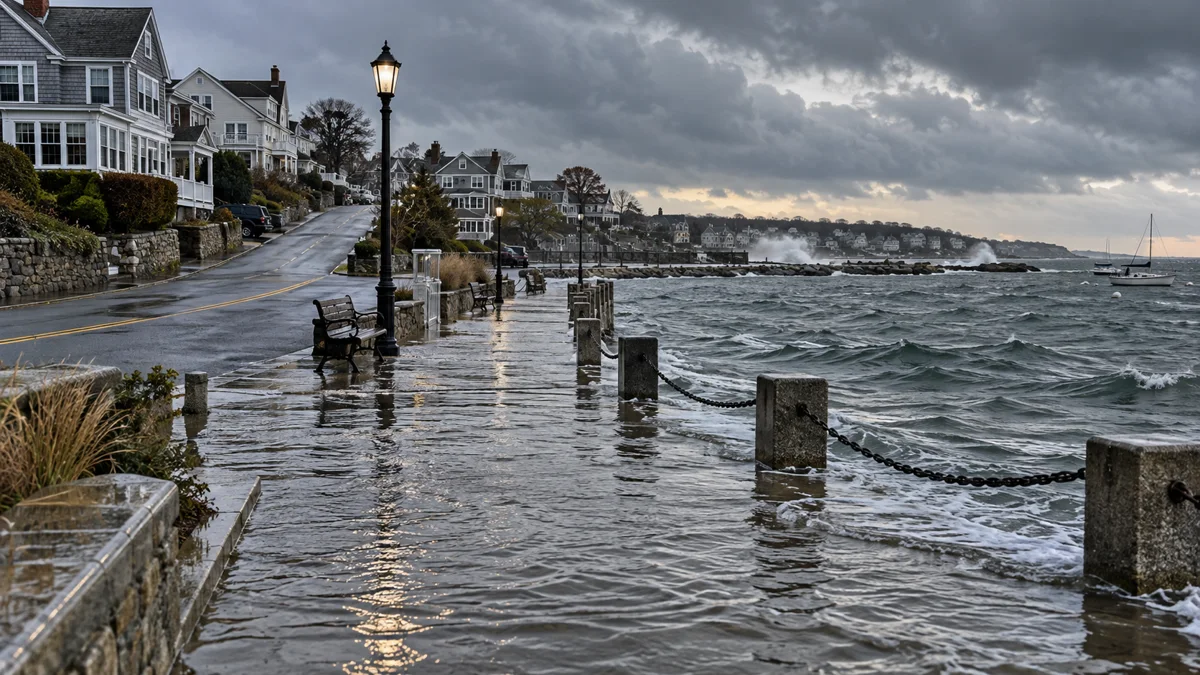
High-tide flooding is not the same as a river leaving its banks. NOAA's coastal guidance explains that El Niño can influence sea levels and high-tide flood conditions, particularly through changes affecting the Pacific coast. Local tides, weather and long-term sea-level conditions also matter. A flooded waterfront street can be a planning concern even without a major storm over your home.
For a coastal address, look up the closest useful tide station and local coastal advisories. Then inspect your usual routes on a map. An inland destination is only useful if the connecting road remains usable; a route along the waterfront may need a verified alternative.
I would avoid turning a regional tide forecast into an estimate of water depth inside a particular house. That requires local information about elevation, protective infrastructure and the event. Instead, record whether coastal flooding could close access, reach utilities or overlap with river and surface-water problems.
The Pacific Northwest and northern states are not flood-free
A typical El Niño pattern can favour warmer or drier conditions across parts of the northern U.S. That describes a seasonal tendency, not an instruction to stop preparing. The Pacific Northwest still has river systems, steep terrain and exposure to moisture-bearing storms. Elsewhere, rain, snowmelt and other local processes can create flood concerns.
The household lesson is simple. Never use a broad “drier” label to overrule a warning for your area. Read the actual forecast, monitor the relevant river information and keep your route plan current. A season's overall precipitation total does not reveal whether one road stayed open on one important night.
The UK, Europe and Canada need local forecasts
The Met Office describes El Niño as one influence among several that affect UK and European weather. Its 2026 discussion identifies the possibility of wetter, stormier conditions in northwestern Europe during autumn and early winter, while explaining wider uncertainty. That is useful context; it does not rank individual UK towns by flood risk.
For England, the government's long-term flood-risk service covers different sources of flooding. Other UK nations have their own services. Readers in continental Europe and Canada should use the relevant national and regional authorities rather than importing U.S. warnings or flood-map assumptions.
I would use international coverage to understand the larger story, then return to the address. Find the official risk service, warning subscription and evacuation guidance for where you actually live. If your household travels, repeat that check for the destination.
Other regions show why one global flood ranking is misleading
NOAA's Climate Prediction Center describes recurring El Niño precipitation patterns that include wetter conditions during certain seasons in coastal Ecuador, northwestern Peru, parts of southern South America and equatorial eastern Africa. These relationships depend on location and season. They are not a current list of confirmed disasters.
The timing matters. A traveller reading an article in October should not assume a pattern described for December through February is today's forecast. Nor should a country-scale statement replace advice for a particular city, watershed or route.
A worldwide “most at risk” ranking would need a defined period and comparable information about rainfall, exposure, infrastructure and vulnerability. This guide does not have that dataset. Its regional comparison instead shows where the climate pattern deserves attention and how to check the local threat. That makes the information usable without inventing a numerical score.
Identify the flood mechanism before choosing your preparation
Surface-water flooding occurs when water collects where it cannot drain adequately. River flooding involves water escaping its usual channel. Flash flooding develops rapidly. Coastal flooding involves sea water affecting normally dry land. In practice, more than one mechanism can affect the same journey or property.
Start with the problem rather than a product. If water usually enters through a low doorway, that is a different concern from a river cutting off the road. If a building loses electricity when its basement floods, living upstairs does not solve the whole problem. If a burned slope threatens a drainage, a household barrier may not address the hazard at all.
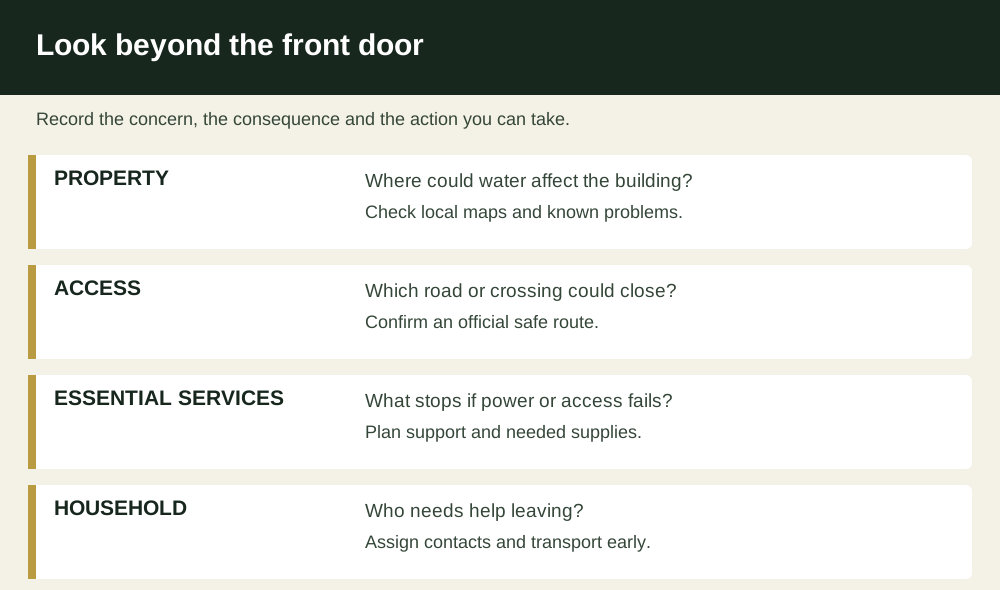
Write one sentence for each concern: “Water could affect this location, which would interrupt this essential task.” Then add the action you can take beforehand. This is an editorial planning exercise, not a replacement for a professional flood assessment.
The exercise helps prevent expensive distractions. A portable pump is not a route out of a threatened neighbourhood. A document pouch is not permission to remain during an evacuation. A stockpile of food does not make floodwater safe to cross. Match equipment to a task you can carry out safely.
Check your address and the routes you depend on
Begin with FEMA's Flood Map Service Center for a U.S. property, then consult local floodplain and emergency-management information. Maps help identify mapped hazards, but a household should also investigate surface drainage, previous road closures and the building's own history. Ask questions about the address, not just the ZIP code.
Useful questions include whether the property has flooded before, whether a basement or garage collects water, and whether utilities sit below the main living area. Renters can ask the landlord about drainage maintenance and the building's emergency arrangements. Buyers should avoid treating the absence of a disclosure as a complete risk assessment.
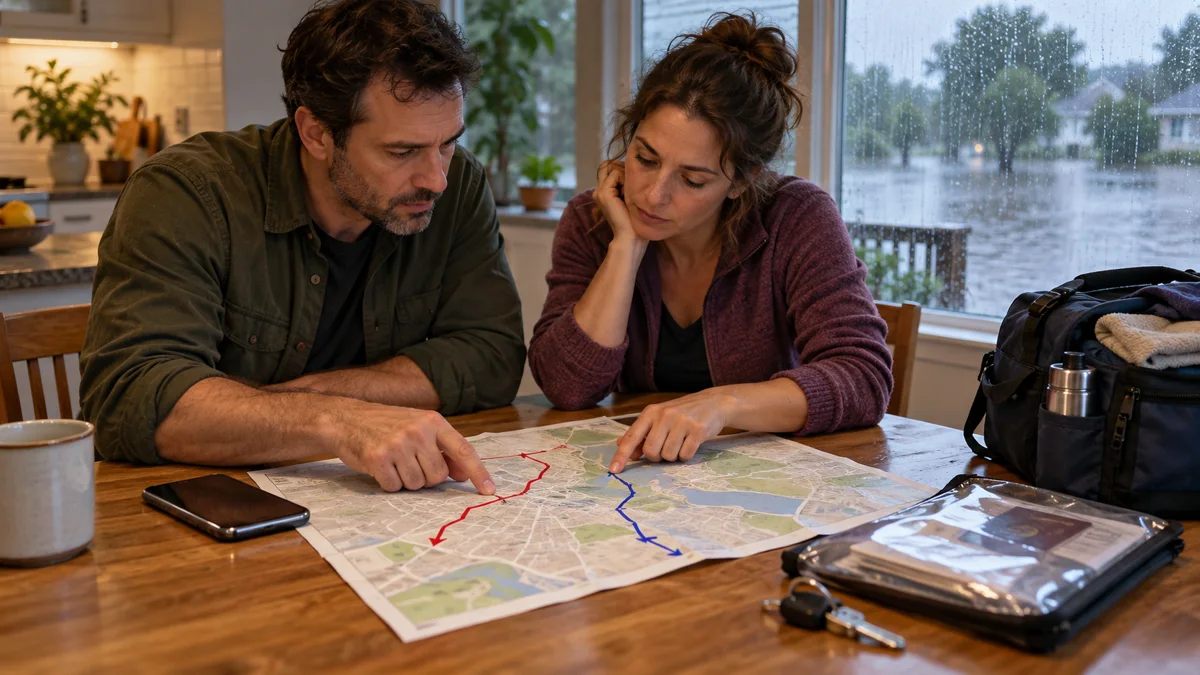
Next, mark the routes to work, school, medical appointments and your intended evacuation destination. Identify low crossings and bridges you rely on. Confirm alternative routes with official information when closures occur rather than assuming a navigation app will recognise every hazard.
Save the relevant pages offline where possible, and keep a paper summary. Write the date of your check beside the links. That small habit makes it easier to notice when a route, warning service or contact needs updating.
How to prepare your home for El Niño flooding
A useful home flood-preparation plan combines maintenance, safer storage and a departure plan. Deal with known roof, window and drainage concerns before severe weather. Work from safe ground-level positions; arrange professional help for tasks involving height, electrical systems or structural concerns.
Review where you keep essential documents, medicines and the items you would take if leaving. Move portable valuables away from known vulnerable locations when it is safe and practical. A clear label and an accessible shelf can matter more than buying another container.
Ask a qualified professional about property-specific measures such as drainage changes, backflow protection or permanent flood barriers. Do not improvise alterations that redirect water into a neighbour's property. Temporary barriers and sandbags also need an appropriate installation and realistic expectations. They do not turn an evacuation area into a safe place to stay.
For the detailed property checks and household inventory, continue to our complete guide on preparing your home for El Niño. Keeping that checklist together avoids several competing versions. Use this regional flood-risk article to decide which parts deserve the most attention at your address.
My first practical step would be a ten-minute conversation. Pick the person who checks alerts, the place where the documents are kept and the contact who can receive a message if household members are separated. Then check that everyone can explain the plan in their own words.
Build supplies around the interruption you expect
Use the supplies you already own before adding purchases. Think about three distinct tasks: managing a short outage, receiving reliable information and leaving promptly if instructed. Some equipment helps with more than one task, but none guarantees safety in flooding.
Water, ready-to-eat food, lighting, essential medicines, charging options and copies of important details form a sensible starting inventory. Include the requirements of children, pets and anyone using powered or temperature-sensitive equipment. Discuss medical arrangements with the relevant professional rather than guessing what a generic kit can support.
Keep the departure bag manageable. A collection is not useful if the person responsible cannot carry it. Separate the items that remain at home from the items you would actually take, and practise finding them without unpacking every cupboard.
Our linked El Niño checklist includes the existing supply recommendations and disclosed Amazon comparisons. Read those only after identifying a missing function. This guide does not repeat the same product cards or promise that shopping will fix a property's flood exposure.
Download the free flood planning sheet
A household flood checklist you can finish in stages
Start today by finding the official local warning source, checking the address and naming a safe destination. Save the emergency contact and discuss how household members will reach each other. Note any person who needs transport assistance.
Before a storm is forecast, review known drainage concerns, clear safe accessible areas and arrange professional work where needed. Photograph possessions for your records, gather policy details and keep important documents accessible. Ask the insurer what coverage applies rather than assume every kind of water damage is included.
When a flood watch or threatening forecast appears, charge devices, check supplies and confirm the travel plan. Bring portable items into a safer location only when the task remains safe. Cancel unnecessary journeys that would put someone on a vulnerable route.
When a warning or evacuation instruction affects your location, switch from preparation to action. Follow the local instructions and leave early enough to use the designated route safely. Do not delay to finish a checklist, film the water or protect replaceable belongings.
Afterward, wait for permission to return and check professional guidance before entering a damaged property. The checklist is a sequence of decisions, not a promise that every household will have the same warning time. If danger arrives sooner, people take priority over the earlier tasks.
Read flood watches and warnings correctly
The National Weather Service distinguishes a flood watch from a flood warning. A watch means conditions are favourable for flooding; a warning means flooding is imminent or occurring. A flash flood warning requires immediate attention because the hazard can develop rapidly.
Read the location and timing of the message, not just the title. A warning can concern a drainage, road or area that matters to your household even when your own window looks quiet. Share the instruction with anyone who may miss the alert, including a person at work or away from their phone.
The National Weather Service warns that six inches of moving water can knock a person off their feet and twelve inches can carry away a small car. These figures explain the danger; they are not thresholds to measure before deciding whether to cross. Do not enter floodwater or drive around a closure.
I would agree on that rule before a stressful journey. “We turn back and contact each other” is easier to apply than an argument about whether the car is large enough. If you are trapped or in immediate danger, contact emergency services and follow their instructions.
Review insurance and documents before the forecast becomes urgent
Flood insurance deserves an early conversation. FEMA's National Flood Insurance Program guidance describes a typical thirty-day waiting period, with exceptions depending on the circumstances. A last-minute purchase may therefore not provide the protection someone expects. Ask the insurer to confirm the actual policy, effective date and exclusions.
Separate the practical records from the paperwork you rarely use. Keep identification details, important contacts, policy information and necessary medical documentation together. Protect your privacy when making copies, and keep a secure backup rather than exposing documents through a public sharing link.
A simple inventory can record an item, its location and where evidence of ownership is stored. Take photographs before disruption when it is safe. The purpose is to make an eventual conversation with the insurer clearer, not to predict a claim outcome.
Renters should ask specifically about possessions and alternative accommodation. A building owner's coverage should not be assumed to cover everything inside an individual apartment. Resolve those questions directly with the relevant provider while you still have time to understand the answer.
Plan for a safer return, not an immediate cleanup
A dry-looking doorway does not establish that a flooded home is safe. CDC guidance identifies electrical hazards and other concerns when re-entering. Return only when local authorities say it is safe, and obtain appropriate professional advice for affected electrical systems or damaged structures.
Keep children and pets away from floodwater and damaged areas. Do not use equipment while standing in water or turn electrical systems on simply to speed up cleaning. Water can conceal hazards that an ordinary household inspection cannot resolve.
Before returning, consider where the household will stay if the home remains unusable. Keep contacts for the landlord, insurer and relevant local assistance available. Take necessary medicines and documents with you instead of assuming a quick visit will restore normal life.
Frequently asked questions about El Niño flood risk
Does El Niño guarantee flooding in California?
No. El Niño can influence the seasonal storm pattern, but actual flooding depends on the storms and local conditions. Use the seasonal outlook to prepare and the local forecast and warnings to make immediate decisions.
Which U.S. states should prepare first?
Southern-tier communities merit attention, especially where flood exposure already exists. Prioritise your address, drainage and escape routes rather than treating state boundaries as a flood-risk ranking. An exposed household farther north still needs a plan.
Can El Niño cause flooding and drought in the same year?
Different regions can experience different tendencies, and individual weather events can depart from the seasonal pattern. That is why a global headline should lead you to local information rather than one universal household instruction.
Should I buy sandbags or flood barriers immediately?
First identify the property-specific problem and consult local guidance. Barriers need suitable placement and may not address river access, coastal evacuation or debris-flow hazards. Do not postpone an evacuation because you have installed one.
Is an upper-floor apartment safe from flooding?
An upper floor may reduce exposure inside the unit, but access, vehicles, elevators and building utilities can still be affected. Ask about the building's plan and decide how you would leave safely if services or routes become unavailable.
What is the best next step after reading this guide?
Check the official flood information for your address, save the warning source and read the linked home-preparation checklist. Choose one unfinished task and assign it to a person. A usable household decision is more valuable than another alarming headline.