
Hurricane Isaias has left at least four people dead in Florida and Alabama, and its weakening winds have not ended the emergency. Flooding, damaged roads and interrupted services are now shaping the recovery across the Southeast. For U.S. households watching the storm move inland, I would pay as much attention to water, access and sanitation as to the next wind reading.
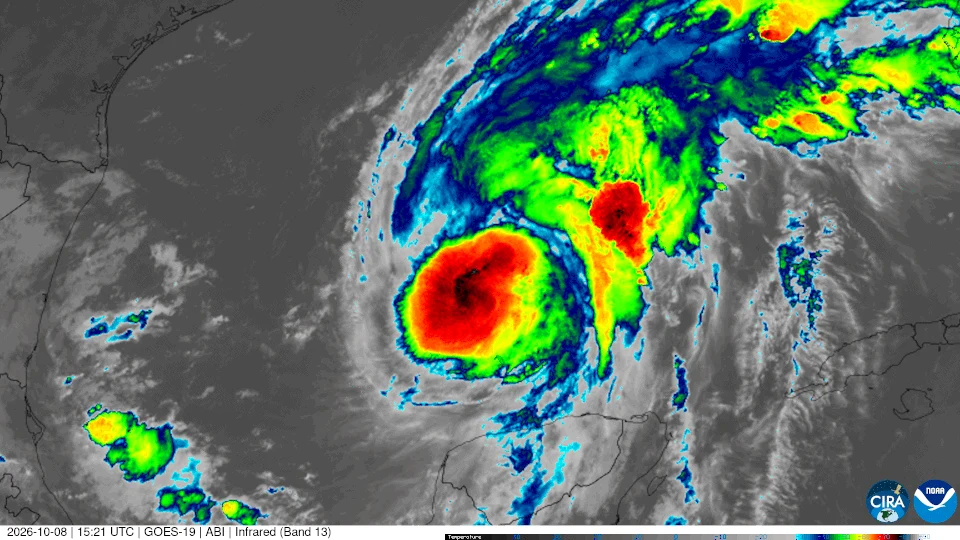
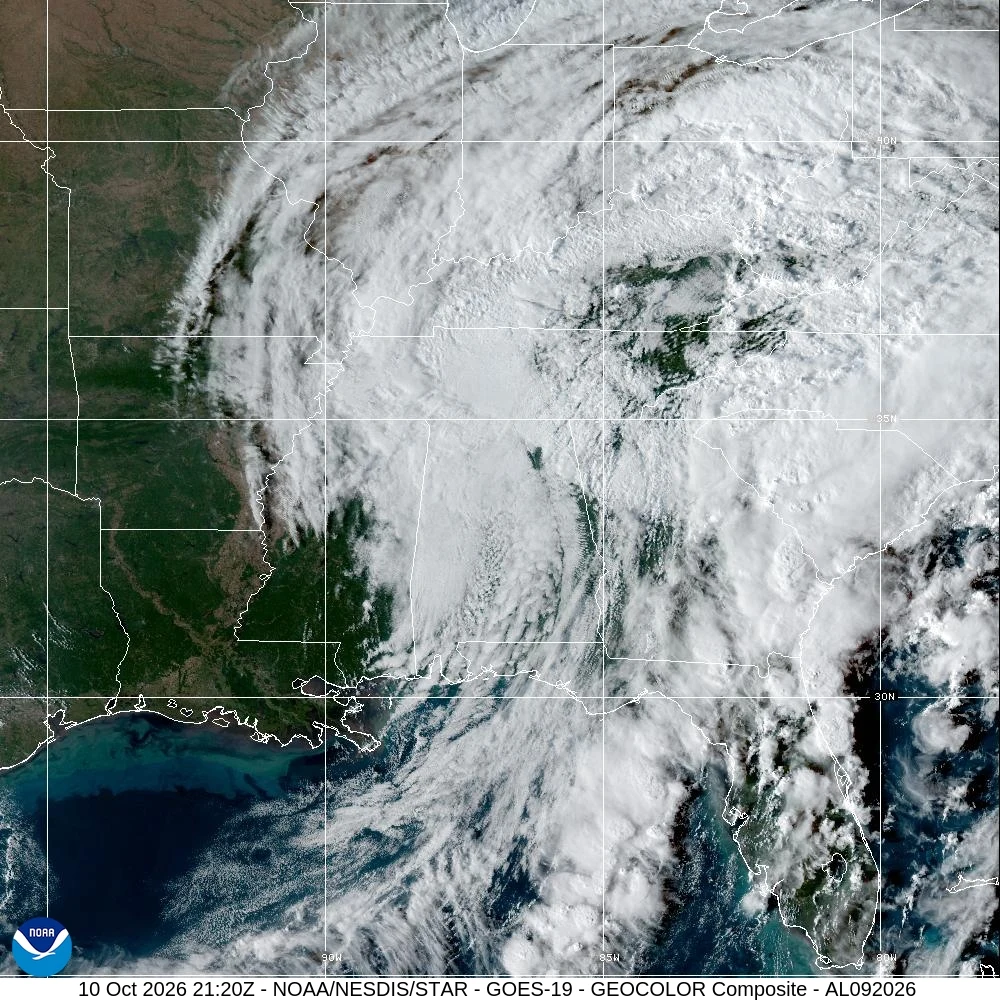
By 4 p.m. Central Daylight Time on Saturday, October 10, the post-tropical system was over Alabama with sustained winds near 30 miles per hour, while NOAA continued to warn about flash flooding. We are looking at a change in the storm’s structure, not an all-clear for communities in its path. The recovery now depends on which services can return safely and which hazards remain at individual properties.
Isaias recovery in Florida and Alabama
Two people died in Florida and two in Alabama. Across several states, at least 600,000 people were without electricity on Saturday afternoon, according to the BBC’s October 10 account. I would keep that timestamp attached to the number: it describes the scale of disruption at that moment, while utilities continue to reconnect customers. It is not a live outage counter.
Isaias made landfall near Destin at approximately 9:30 p.m. Eastern Daylight Time on Friday, October 9, with sustained winds of 105 miles per hour. Florida’s response has shifted toward restoration, rescue and clearing access routes. Alabama has confirmed two deaths and continues to deal with downed lines and debris. Together, those developments show why the period after landfall deserves its own household plan.
Our assessment covers developments available through October 10, 2026, in the United States. For residents in Florida, Alabama and the wider Southeast, the next useful update is the county warning or utility instruction that applies to your address. For readers elsewhere in the U.S., Canada and Europe, the lesson is broader: plan for the disruption of essential services, not just the weather event that causes it.
The outage numbers and what they mean
| Verified measure | Time or scope | What it tells us |
|---|---|---|
| Four reported deaths | BBC report published October 10 | Two deaths were reported in Florida and two in Alabama |
| 105 miles per hour sustained winds | Florida's stated landfall conditions on October 9 | Wind strength at landfall, not the later inland wind speed |
| 448,298 customer accounts without power | Florida statewide at 7 a.m. October 10 | A Florida utility-account snapshot, not an interstate population total |
| Around 150,000 outages | Alabama EMA's 4 p.m. October 10 update | A later, separate state snapshot |
| About 30 miles per hour sustained winds | NOAA's 4 p.m. CDT October 10 storm record | The weakened system still carried a flash-flood warning |
I would resist adding these figures into a new regional total. Florida’s 448,298 affected customer accounts were measured at 7 a.m.; Alabama’s approximately 150,000 outages were a later snapshot. A customer account is also different from a count of individual people. Those differences matter when we ask whether recovery is progressing. Matching times and definitions gives us a fair comparison; a bigger-looking number does not.
At home, we need the utility’s address-level instruction alongside the statewide total. Has service returned, does a restriction still apply, and which service does the estimate cover? A falling regional count is encouraging, but it does not settle those household questions.
Florida's response moves from landfall preparation to recovery
More than 16,000 linemen and restoration personnel were positioned before landfall, according to Florida’s October 10 recovery update. National Guard support includes rescue, route clearance and humanitarian assistance. I see those as connected parts of recovery: crews need usable access, residents need functioning facilities, and damaged infrastructure needs assessment before normal routines can resume.
Restoration crews need access, damage assessments and safe working conditions. A cleared road helps them reach the problem; it does not establish that nearby buildings are habitable. Crew numbers describe response capacity, while a local restoration notice tells residents what has changed.
My priority is the missing household function. Electricity, shelter, access and sanitation need their own answers. Keep a short list of unresolved needs and the utility, county office or building contact responsible for each. That turns a statewide briefing into a practical next step.
Alabama roads reopen while local hazards remain
Alabama’s major roads, including the Intracoastal Waterway bridge, have reopened, but some routes remain closed because of downed power lines. The state has also rescinded the supplemental evacuation requirement for non-residents in parts of Mobile and Baldwin counties. Its emergency operations center remained at Level 1 activation as of 4 p.m. Saturday. These details appear in the joint information center’s updated Saturday briefing.
The rescission ends the specified evacuation order, not every local restriction. A damaged connection, closed street or unsafe building still needs attention. Check the instruction for the actual destination before assuming a broader reopening permits the return.
For a return trip, I would check the final neighborhood approach as carefully as the highway. The last turn may be blocked or the destination may lack functioning facilities. Confirm that final stretch before leaving a safe location.
Isaias weakened while the flood threat continued
Isaias moved from the western Florida Panhandle into Alabama as its winds weakened and inland flooding became the central concern. At 4 p.m. CDT on Saturday, the center was near 33.5 degrees north and 86.9 degrees west, moving north-northeast at about 15 miles per hour. The NOAA storm history provides the dated progression. I would pair that broad track with the local warning, not use it as a substitute.
The cyclone’s track describes its broad movement. Local warnings describe the hazards relevant to the next household decision. We need both, especially when the storm’s center has moved on but floodwater or damaged infrastructure remains.
The practical focus changes after landfall. Before the storm arrives, wind exposure and evacuation dominate the conversation. Afterward, a flooded approach, damaged electrical equipment or an unavailable toilet can control the household’s next move. I would keep those functions visible in the recovery plan even when the cyclone loses its hurricane designation. “Post-tropical” tells us about the system; it does not tell us that a property is ready for normal use.
A generator death exposes a recovery danger
The recovery has also brought a fatal carbon monoxide incident. In Escambia County, a man died after a generator was operated in a garage, and four others from the home were taken to hospital, according to the BBC. This is the part of an outage plan I would settle before turning a generator on: where can it operate safely, away from occupied buildings? Restoring a few appliances must not create a second emergency.
The U.S. Consumer Product Safety Commission says portable generators must operate outdoors, at least 20 feet from homes, with exhaust directed away. They must never run inside a home or garage, even with doors or windows open. Carbon monoxide is colorless and odorless, so a reassuring smell or an open garage door cannot establish safety.
The agency recommends working carbon monoxide alarms, including battery-operated units or battery backup. If poisoning is suspected, get to fresh air and call 911. A generator is not a substitute for a safe operating location. If a property cannot meet the requirements, the household needs another power or accommodation arrangement rather than a closer placement.
Returning home requires more than a working light switch
The National Weather Service's post-hurricane guidance directs evacuees to return only when officials say it is safe and to avoid unnecessary driving, flooded roads and damaged routes. It also warns about buildings with remaining floodwater, suspected gas leaks or damage that prevents safe entry.
Before returning, we need permission to reenter, a usable route and a property suitable for entry. A working light switch answers only the electricity question. A neighbor’s message can help, but it cannot clear a damaged structure or change an official restriction.
My return-home check is practical: which notice allows reentry, which route is open, and where can we use safe water and a working bathroom? If damage needs assessment, arrange it through the responsible service rather than making a hazardous inspection ourselves.
Power, drinking water and wastewater can recover separately
One question I would move higher in any outage plan is whether the toilet can still be used. A full cistern means water is available for that flush; it does not establish that wastewater can leave safely. The fixture, incoming water and receiving system need separate consideration. This applies to wells, apartments with building pumps and homes with powered sewage or septic equipment. Electricity returning to a room does not settle every one of those dependencies.
Our guide to toilet use during a power outage explains these separate checks. It covers conventional gravity toilets, water supplies that depend on a well or building pump, and wastewater systems with electrically dependent equipment. It also links to a printable household plan for recording the actual instructions that apply to a property.
For septic households, King County's power-outage guidance warns that continued normal water use can cause backups when essential components lack electricity. Its local procedures should not be copied as universal settings for another installation. The system's maintainer and current local instructions need to resolve the property-specific questions.
A backup is a different problem from an empty cistern
I would separate an empty cistern from a sewage backup before reaching for a bucket. Manual flushing can be an option for a suitable gravity toilet when the drain is confirmed usable. A backup means the problem is on the receiving side, and adding more water can make it worse. The same household can encounter either situation during recovery, but the appropriate next step is very different.
The manual-flushing guide applies to an appropriate fixture and usable drain. The sewage backup in basement guide deals with the different response when water or sewage has already appeared inside the property: pause water use, protect people from exposure, report observations and arrange the responsible assessment.
Write down the restriction, the unresolved question and the contact checking it. That gives the next household member a clear plan. Repeated test flushes are a poor substitute, and an upstairs bathroom may share the same wastewater equipment as the affected one downstairs.
Food safety puts another clock on the outage
The FDA's food and water safety guidance gives a useful baseline for refrigerators and freezers when doors remain closed. An unopened refrigerator generally keeps food cold for about four hours. A full freezer holds temperature for approximately 48 hours, compared with about 24 hours for a half-full freezer.
Start the food-safety record when electricity fails. Keep doors closed and follow the FDA’s instructions when assessing the contents. The refrigerator and freezer benchmarks depend on conditions; a promising repair estimate does not extend safe storage time.
Our food safety during a power outage guide brings those tasks into a practical record. Keep that record separate from the utility's repair timeline. The point is to preserve a reliable account of conditions, rather than to decide that refrigeration is acceptable because the storm itself has weakened.
What households can prioritize without waiting for a shopping list
My first recovery list is a charged phone, an accessible battery light, current notices and a confirmed alternative if essential facilities are unavailable. Start with existing supplies, then identify the missing function. A packed bag does not arrange transport or reopen a road.
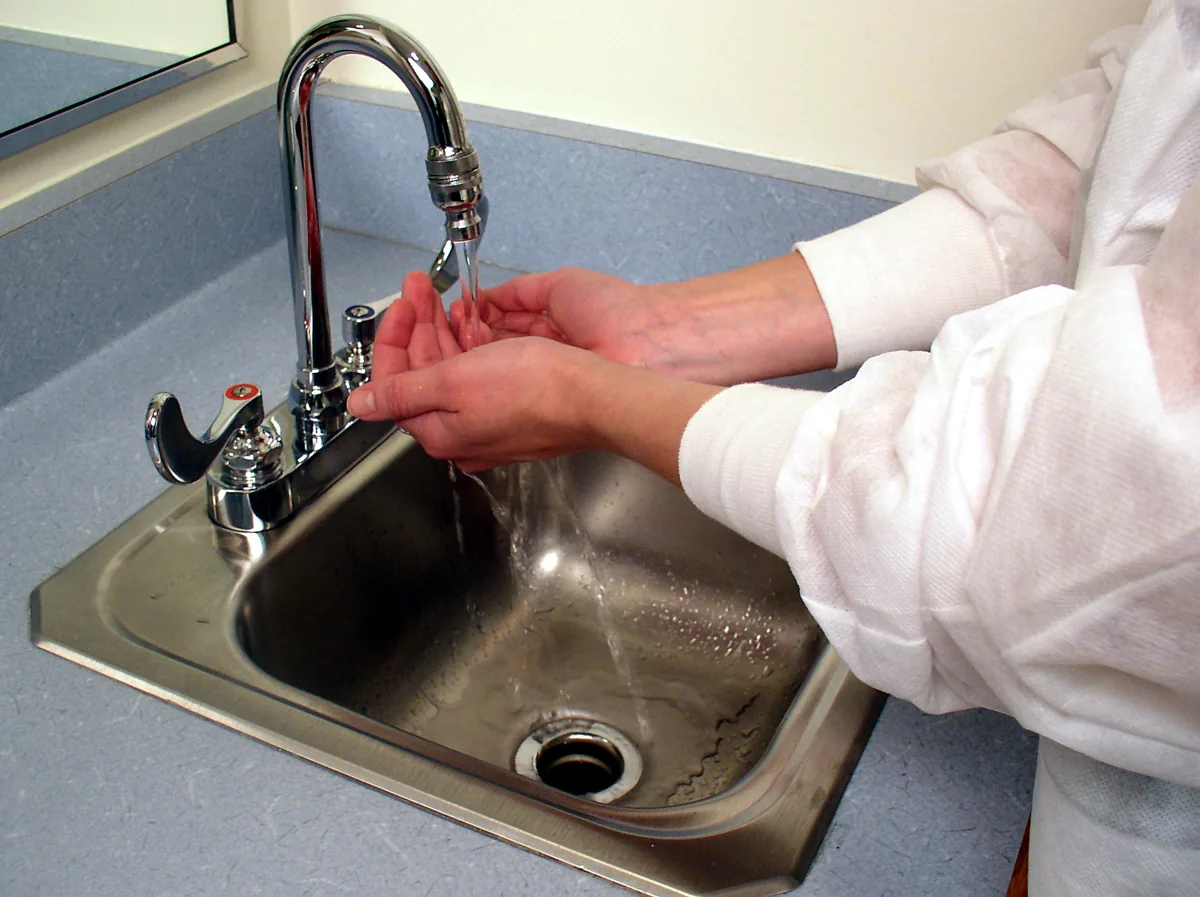
The apartment power-outage checklist helps organize building access, communication and household needs. For a disrupted water supply, use the water-shutoff checklist. If normal sanitation is unavailable, the apartment emergency toilet guide covers accessibility, privacy, hygiene and the need for locally permitted waste arrangements.
Prioritize the unresolved task before the product. If sanitation is unavailable, another flashlight does not provide a toilet. If someone needs assistance leaving, arrange that help. Assign a contact and next action to each task so the plan is usable across the household.
How to read the next recovery update
| Update to check | Decision it can support | Conclusion it cannot establish by itself |
|---|---|---|
| Local weather warning | Whether hazards remain in the area | Whether your building is undamaged |
| Road or bridge notice | Which route is open | Whether your destination can receive you |
| Utility restoration notice | Status of the specified service | Whether another service has recovered |
| Building or wastewater instruction | Whether fixtures may be used | A universal rule for neighboring properties |
| Official return guidance | Whether the affected area is open for return | Permission to enter a visibly damaged structure |
Our central takeaway is that regional recovery and household readiness run on different clocks. Keep the instruction, timestamp and affected household decision together. Then we can see which improvement changes the plan and which problem still needs attention.
Save the current notice with the household plan. When instructions change, record the change and tell the people who will act on it. A shared, dated note is more reliable than memory while several services are recovering at different speeds.
The recovery story remains open
The Southeast is recovering from a hurricane that has taken lives and interrupted essential services. Reconnections and road clearances are progress. Final damage assessments and individual restoration times remain unresolved. We need the local updates that answer those questions, not one blanket all-clear.
Check the warning, confirm access and verify water and sanitation before resuming normal use. Elsewhere in the U.S., Canada and Europe, we can review those same dependencies now. Know who can answer, what needs checking and where the household can go if a service remains unavailable.
Sources and editorial notes
Our analysis draws on the linked state updates, NOAA observations and BBC coverage, with household guidance from the CPSC, FDA, National Weather Service and relevant utility references. Event figures are dated snapshots. The satellite images are NOAA observations and the handwashing photograph is archival. Editorial standards and corrections.