
The best personal-item backpack is the one that holds your essential load inside the smallest allowance on your itinerary. For a simple European trip, start with the CabinZero Classic 28L. Choose the Classic Tech 28L if separate laptop access matters, the Cabin Max Metz 20L for a narrower packing envelope, or the Kånken Laptop 15 for compact everyday use. The Osprey Daylite 26+6 is our flexible travel pick only where the airline accepts its larger dimensions.
A bag can be excellent and still be the wrong personal item for your ticket. This comparison separates manufacturer specifications, airline rules and our buying judgments. It includes a dimension checker, an explanation of capacity labels and a packing exercise you can use before spending money.
The five personal-item backpacks at a glance
As an Amazon Associate I earn from qualifying purchases. Buttons open U.S. searches for the named model, not verified live offers. Check the exact size, version, seller and returns. Recommendations are based on published specifications, not hands-on testing.
Simple packing for tighter European limits
CabinZero Classic 28L
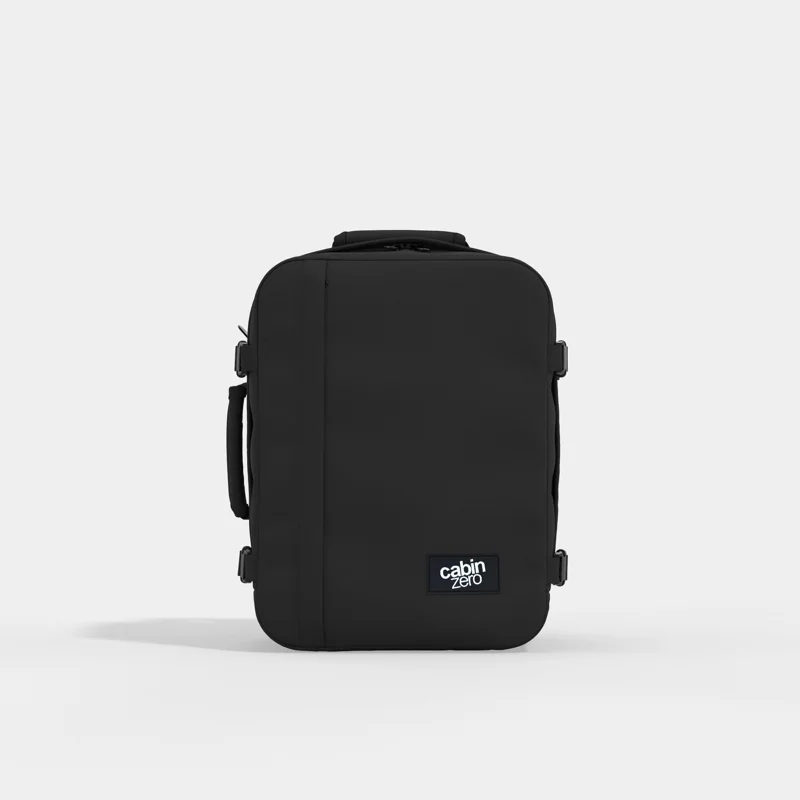
39 × 29.5 × 20cm · 600g listed
Choose this if clothes and a small essentials pouch matter more than frequent laptop access.
CHECK MODEL ON AMAZONLaptop organization within the same compact footprint
CabinZero Classic Tech 28L
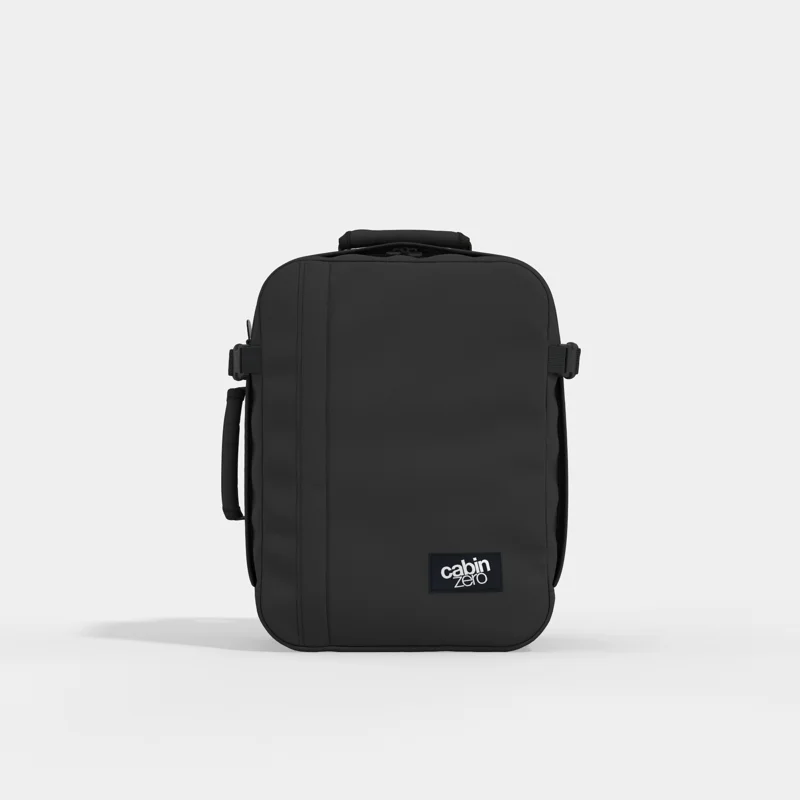
39 × 29.5 × 20cm · 713g listed
Choose this over the Classic when you actually travel with a laptop and need access to it.
CHECK MODEL ON AMAZONNarrower footprint for a small essentials load
Cabin Max Metz 20L
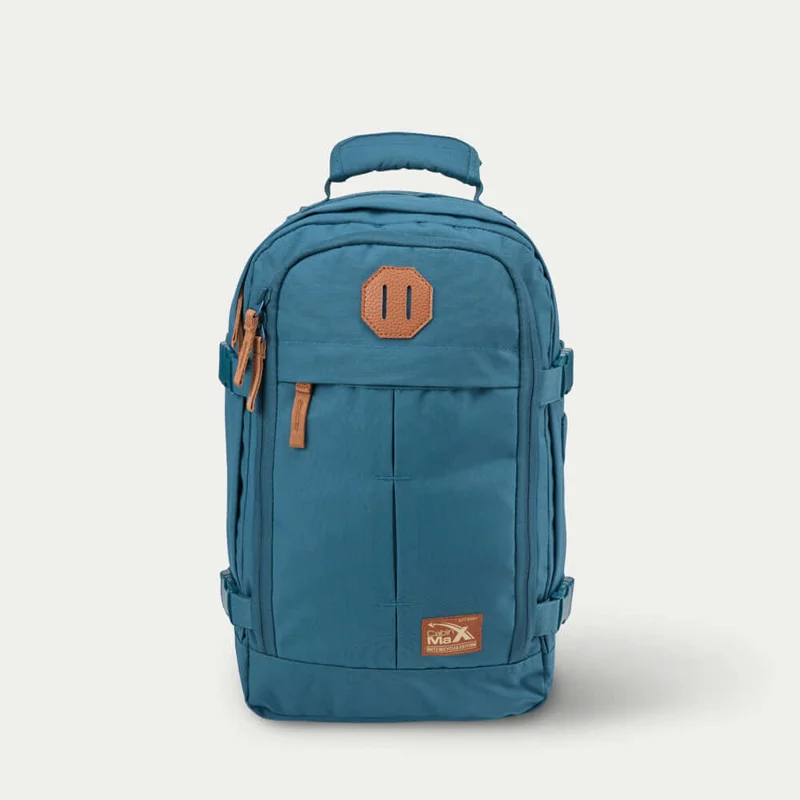
40 × 25 × 20cm · 500g listed
Choose this when a smaller packing list and narrower bag are more important than maximum advertised liters.
CHECK MODEL ON AMAZONLight everyday bag with a separate laptop compartment
Fjällräven Kånken Laptop 15
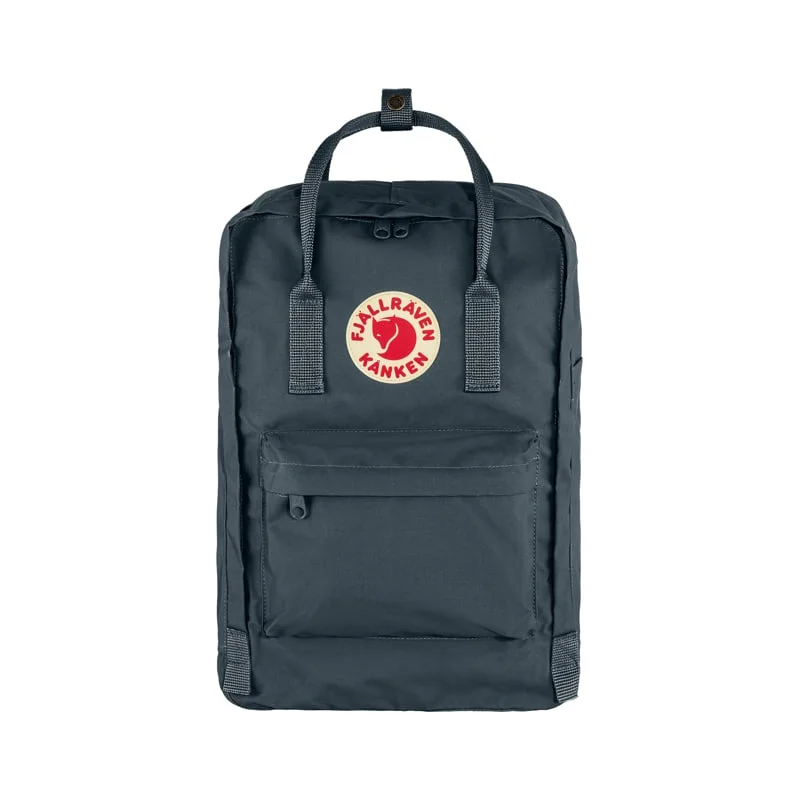
38 × 26 × 17cm · 460g listed
Choose this for flight essentials plus everyday use, not to maximize a long weekend’s clothing load.
CHECK MODEL ON AMAZONFlexible travel organization where the allowance is larger
Osprey Daylite Expandable Travel Pack 26+6
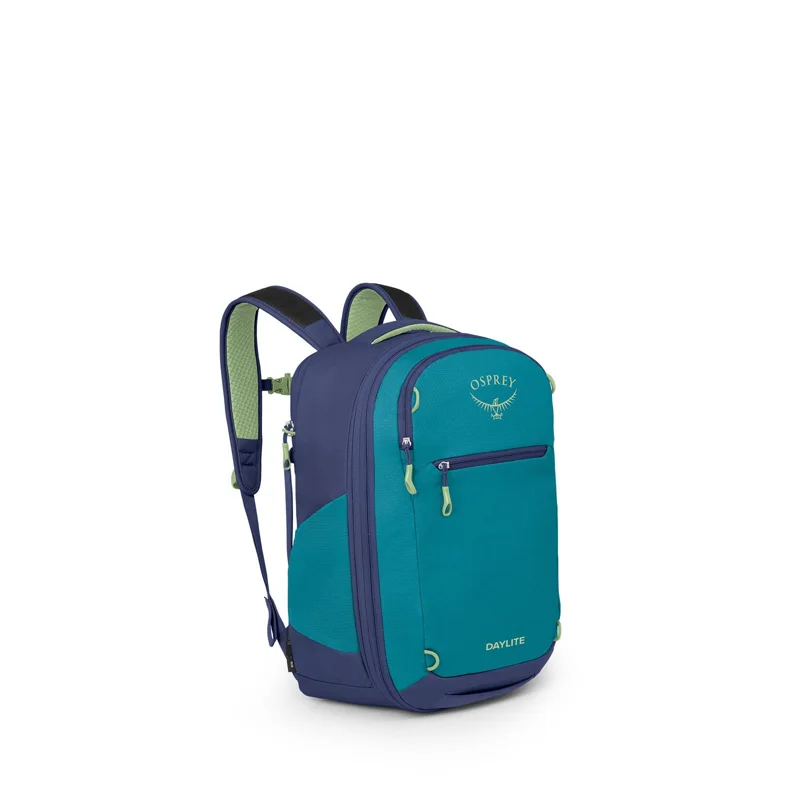
43 × 33 × 16cm · 840g listed
Choose it for an itinerary that accepts its unexpanded dimensions; do not buy it as a universal budget-airline personal item.
CHECK MODEL ON AMAZONWatch the personal-item backpack comparison
The short version: start with the airline envelope, then compare laptop access, empty weight and packing shape. Watch our narrated comparison with moving travel footage and on-screen specifications.
Video transcript and footage credits
The best personal-item backpack fits your itinerary, not just a retailer’s flight-approved label. Compare the packed height, width and depth before choosing extra features.
Start with the CabinZero Classic twenty-eight for simple packing. It lists thirty-nine by twenty-nine point five by twenty centimeters. That is a close width fit against Ryanair’s published limit.
The Classic Tech has the same listed dimensions, with a separate laptop compartment. Choose it when computer access matters. It weighs one hundred thirteen grams more than the Classic.
The Cabin Max Metz twenty-liter is narrower, at forty by twenty-five by twenty centimeters. It is our small-load option. Check the full bag, including front and bottle pockets.
The Kanken Laptop fifteen is the lightest listed bag here, at four hundred sixty grams. Its smaller eighteen-liter capacity suits flight essentials and everyday use. Check your computer’s complete dimensions.
The Osprey twenty-six plus six offers flexible travel organization. But its listed unexpanded height and width exceed Ryanair’s free allowance. It passes our American and easyJet dimension screens before packing.
These recommendations use published specifications, not hands-on tests. Use the article’s comparison table and fit checker. Confirm your airline rules, measure after packing, and leave every bag behind during an emergency evacuation.
Original R&R edit and narration. Travel footage illustrates packing and airport use; it does not show us testing these five products or imply endorsement by the people shown. Footage via Pexels: packing a backpack, airport traveler, airport terminal and aircraft cabin. Pexels license.
Personal-item size limits: compare the flight before the bag
A personal item generally travels under the seat in front of you. An overhead carry-on is a different allowance and may have a different fee or ticket restriction. A retailer using “carry-on backpack” does not establish that a bag qualifies as your free personal item.
| Airline / official rule | Personal-item dimensions H × W × D | What to check |
|---|---|---|
| Ryanair | 40 × 30 × 20cm | Free small personal bag; must fit under the seat. |
| American Airlines | 45 × 35 × 20cm | Personal item; official page also lists 18 × 14 × 8 inches. |
| easyJet | 45 × 36 × 20cm | Free small cabin bag; 15kg maximum, and you must lift/carry it yourself. |
Rules checked November 4, 2026. These examples are not a worldwide standard. Check the operating airline, fare and each connecting flight before buying. Aircraft seating and obstructions can affect usable underseat space. Follow the crew’s stowage instructions, including where no bag can remain at your feet.
| Bag, unexpanded | Ryanair | American Airlines | easyJet |
|---|---|---|---|
| CabinZero Classic 28L | Within listed dimensions | Within listed dimensions | Within listed dimensions |
| CabinZero Classic Tech 28L | Within listed dimensions | Within listed dimensions | Within listed dimensions |
| Cabin Max Metz 20L | Within listed dimensions | Within listed dimensions | Within listed dimensions |
| Fjällräven Kånken Laptop 15 | Within listed dimensions | Within listed dimensions | Within listed dimensions |
| Osprey Daylite Expandable Travel Pack 26+6 | Exceeds: height +3cm, width +3cm | Within listed dimensions | Within listed dimensions |
“Within listed dimensions” is a specification screen, not a physical sizer test or acceptance promise. We compare height to height, width to width and depth to depth without assuming a rigid laptop or packed bag can be squeezed into compliance. Published inch and centimeter equivalents can be rounded; near a limit, use the airline’s stated units and measure the actual bag.
Check your packed backpack against an allowance
Select a model as a starting point, or enter your own measured dimensions. The default Ryanair example makes the Classic’s small width margin visible. Replace the allowance with the dimensions from your booking when your airline is not listed.
Packed-bag dimension checker
Formula: allowance minus bag dimension, separately for height, width and depth. Any negative value exceeds the example allowance. No assumed squeezing or tolerance. This tool does not check ticket entitlement, weight or seat obstructions.
Our picks and who should buy each one
These are recommendations by use case, not a laboratory ranking. We have not conducted airline-sizer, abrasion, waterproofing or loaded-carry tests on this shortlist. Exact product pages are linked in every review so you can check the version before ordering.
CabinZero Classic 28L — simple packing for tighter European limits
The Classic 28L is our starting point for a straightforward European personal-item bag. CabinZero lists a 39 × 29.5 × 20cm shell and 600g weight. Those dimensions meet the three published allowances in our comparison on paper, but the width sits very close to Ryanair’s 30cm limit. A bottle or overstuffed front pocket can change the result.
The case for this bag is simplicity. Compared with the Classic Tech, its listed empty weight is 113g lower with the same external dimensions. If a laptop is not part of the trip, buying additional laptop organization solves a problem you do not have. Use a small removable pouch for passports, charging gear and headphones instead of filling every corner with loose objects.
There is one specification worth questioning before you buy. Multiplying the listed exterior dimensions produces a 23.0-liter rectangular envelope, while the advertised capacity is 28L. That calculation is not a measured usable volume: soft bags change shape and brands use different methods. It is a reason to compare external dimensions and your actual packing list, rather than assuming the 28L label guarantees more space than a smaller-numbered competitor.
Buy it for a short trip with soft clothing and modest tech. Skip it if a separately accessible laptop compartment is central to your routine. Order the 28L version specifically; a listing for the 36L or 44L Classic is a different buying decision.
CabinZero Classic Tech 28L — laptop organization within the same compact footprint
The Classic Tech 28L uses the same listed 39 × 29.5 × 20cm dimensions as the Classic but adds a separate external laptop compartment, a bottle pocket and a trolley-handle sleeve. CabinZero lists 713g and devices up to 15.6 inches, with a maximum laptop thickness of 3cm. Screen size alone is not enough: compare your computer’s complete dimensions and protective case with the compartment before ordering.
This is our more organized alternative for a traveler who moves between airport, train and workspace. A separate computer compartment can reduce the need to unpack clothing to reach tech. The practical advantage depends on access, not on an assumption that every security checkpoint will ask for the same procedure. Follow the checkpoint’s current instructions.
The extra organization does not enlarge the airline allowance. The Tech has the same 0.5cm listed width margin against Ryanair as the Classic and no spare depth against the 20cm rules in our table. A full bottle pocket is a particular reason to measure the loaded bag. Do not decide that its laptop features make a bulging bag compliant.
We would choose the Tech over the Classic for regular laptop travel, and keep the Classic for lighter, clothes-first trips. Before paying more, check whether your existing laptop sleeve and a small pouch already do the job. They also consume space and weight, so compare the complete packed systems rather than the bags in isolation.
Cabin Max Metz 20L — narrower footprint for a small essentials load
The Metz 20L is the narrower choice here: Cabin Max lists 40cm height, 25cm width, 20cm depth and a 500g empty weight. Its suitcase-style opening, front organizer, bottle holder and rear trolley strap make it a practical candidate for a compact change of clothes and flight essentials. Do not confuse it with larger Metz variants sold under the same family name.
Its advantage is easy to see beside a 29.5cm-wide Classic. Against a 30cm-wide allowance, the Metz’s listed width leaves 5cm instead of 0.5cm. That is useful space for managing packing shape, not permission to exceed the height or depth limits. The bag already reaches Ryanair’s published 40cm height and 20cm depth on paper.
For a trip with a separate checked suitcase, the smaller capacity can be an advantage: it discourages filling the personal item with everything the suitcase could hold. Keep the bag focused on items you need during the flight and an unexpected delay. If you are trying to travel for several days with no other luggage, lay out the full clothing list first and accept that this is a limited packing envelope.
We would not choose it as a laptop-first bag just because the organizer can hold a tablet. A tablet pocket is not proof of protection or fit for a particular laptop. If your computer is essential, check the exact compartment and choose the Classic Tech or Kånken Laptop only after confirming your device dimensions.
Fjällräven Kånken Laptop 15 — light everyday bag with a separate laptop compartment
The Kånken Laptop 15 is our compact everyday alternative, not a miniature expedition pack. Fjällräven lists 38 × 26 × 17cm, 18L and 460g, with a separate padded laptop compartment. The stated laptop dimensions are 36 × 26 × 3cm. This is the Laptop 15 model; the standard Kånken and other laptop versions are not interchangeable specifications.
On the listed dimensions, it has 2cm of height margin, 4cm of width margin and 3cm of depth margin against Ryanair’s allowance. That is a more forgiving starting envelope than a bag that reaches the maximum in two axes. It still needs a loaded measurement: full pockets and rigid contents can erase the difference.
The reason to buy it is continuity between the flight and the destination. A modest essentials load can become your everyday city bag without carrying an empty travel organizer around all day. The 18L label also sets a useful expectation. If you need several bulky clothing changes as well as a computer, its smaller stated capacity is a compromise, not a defect a packing cube will magically remove.
Its 460g listed weight is 380g below the Osprey. We have not measured how those two carry the same load, so we do not turn that difference into a comfort score. Try the bag with your computer, charger and realistic travel weight while returns are still possible. Choose another model if the straps or compartment layout do not work for you.
Osprey Daylite Expandable Travel Pack 26+6 — flexible travel organization where the allowance is larger
The Daylite 26+6 is the most flexible travel-oriented option in this group, with a full-zip main opening, mesh divider, laptop sleeve, luggage pass-through and AirScape backpanel. Osprey lists 43 × 33 × 16cm, 26L and 0.84kg. The expansion adds 6L and two inches to the main compartment. We use the unexpanded specifications for the comparison.
Here is the important limitation: its listed dimensions exceed Ryanair’s free personal-bag allowance by 3cm in both height and width. That is not a borderline depth issue you fix by leaving the expansion zipper closed. The unexpanded dimensions do fall within the American and easyJet limits checked for this article, but the packed bag and booking rules still control.
This makes the Osprey a conditional recommendation. If your itinerary permits its size, the travel layout is appealing for moving between flights and accommodation. If a stricter connecting flight is part of the booking, choose for that flight or budget for the correct larger baggage allowance. Buying a bigger bag first and hoping the gate agent ignores it is not a sound way to save money.
Its 840g listed weight is the highest here. That can be acceptable when the layout earns its place, but it takes more of a combined cabin weight allowance. Leave expansion for ground travel or a flight where the expanded bag has been measured against an appropriate allowance. Our broader Osprey guides cover hiking-oriented alternatives; they should not be treated as automatic underseat substitutes.
Full product comparison
| Exact model | Listed H × W × D | Listed empty weight | Advertised capacity | Exterior rectangular envelope |
|---|---|---|---|---|
| CabinZero Classic 28L | 39 × 29.5 × 20cm | 600g | 28L | 23.0L; not measured internal capacity |
| CabinZero Classic Tech 28L | 39 × 29.5 × 20cm | 713g | 28L | 23.0L; not measured internal capacity |
| Cabin Max Metz 20L | 40 × 25 × 20cm | 500g | 20L | 20.0L; not measured internal capacity |
| Fjällräven Kånken Laptop 15 | 38 × 26 × 17cm | 460g | 18L | 16.8L; not measured internal capacity |
| Osprey Daylite Expandable Travel Pack 26+6 | 43 × 33 × 16cm | 840g | 26L | 22.7L; not measured internal capacity |
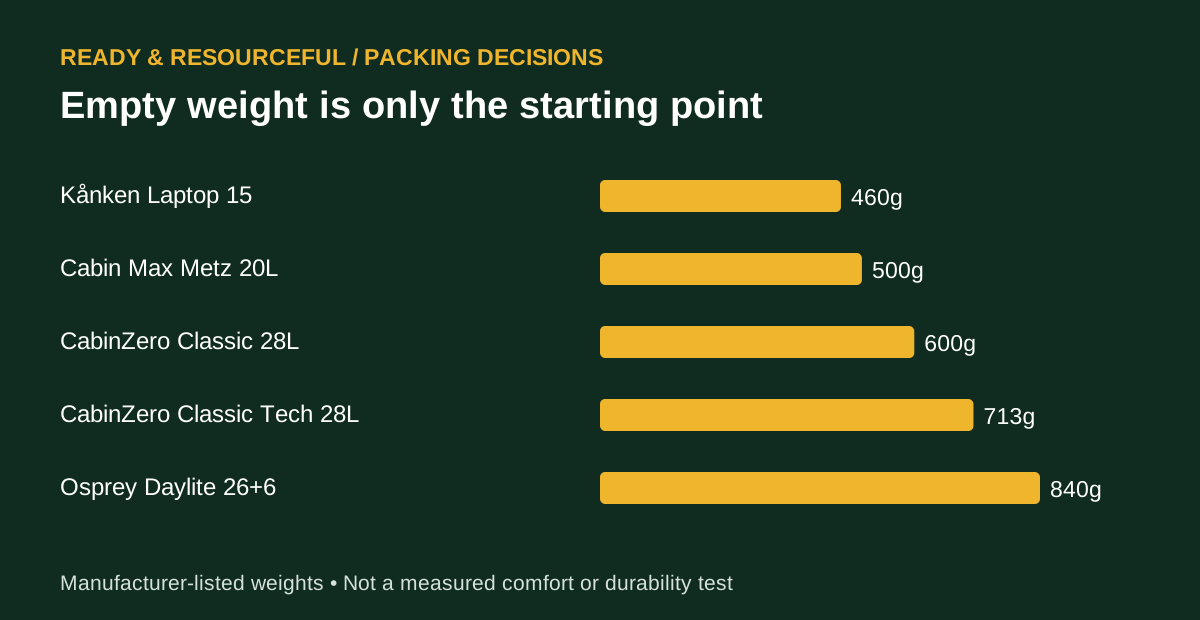
Classic versus Classic Tech: pay for access only if you use it
The two CabinZero bags share their listed external dimensions and advertised 28L capacity. The Tech adds a separate laptop compartment and weighs 113g more. That is the central choice: clothes-first simplicity or a more convenient tech layout. Compare the complete setup if the Classic would need an additional laptop sleeve. Neither version creates extra space in an airline sizer.
Kånken versus Metz: everyday use or a narrow packing box
The Kånken Laptop 15 has a smaller listed height and depth and a dedicated laptop compartment. The Metz is narrower and has a larger advertised capacity. Choose around the objects you actually carry. A rigid computer can decide the purchase before the difference between 18L and 20L matters. Neither number tells you how much room remains after your own device, case and charger go inside.
Osprey versus the smaller bags: change the allowance, not the label
The Osprey’s travel organization and expandable compartment make sense on a compatible itinerary. They do not overcome a restrictive free-bag rule. If you fly mostly with American or easyJet, its listed unexpanded dimensions are a reasonable starting point. If your trip includes Ryanair’s free allowance, the smaller candidates are the clearer specification match.
How to choose a personal-item backpack for international travel
1. Build one itinerary envelope
Write down the personal-item allowance for every operating airline on the trip, including the short connecting flight you booked separately. Take the smallest height, smallest width and smallest depth as a conservative planning envelope. Also record any individual or combined cabin weight limit. Your outbound long-haul carrier may be more generous than the regional airline that completes the journey.
For example, combining American’s published 45 × 35 × 20cm allowance with Ryanair’s 40 × 30 × 20cm allowance gives a conservative 40 × 30 × 20cm envelope for one bag. The Osprey passes the American screen and fails the Ryanair screen; keeping the bag unexpanded does not change that result. This is a planning example, not a statement about a specific codeshare ticket.
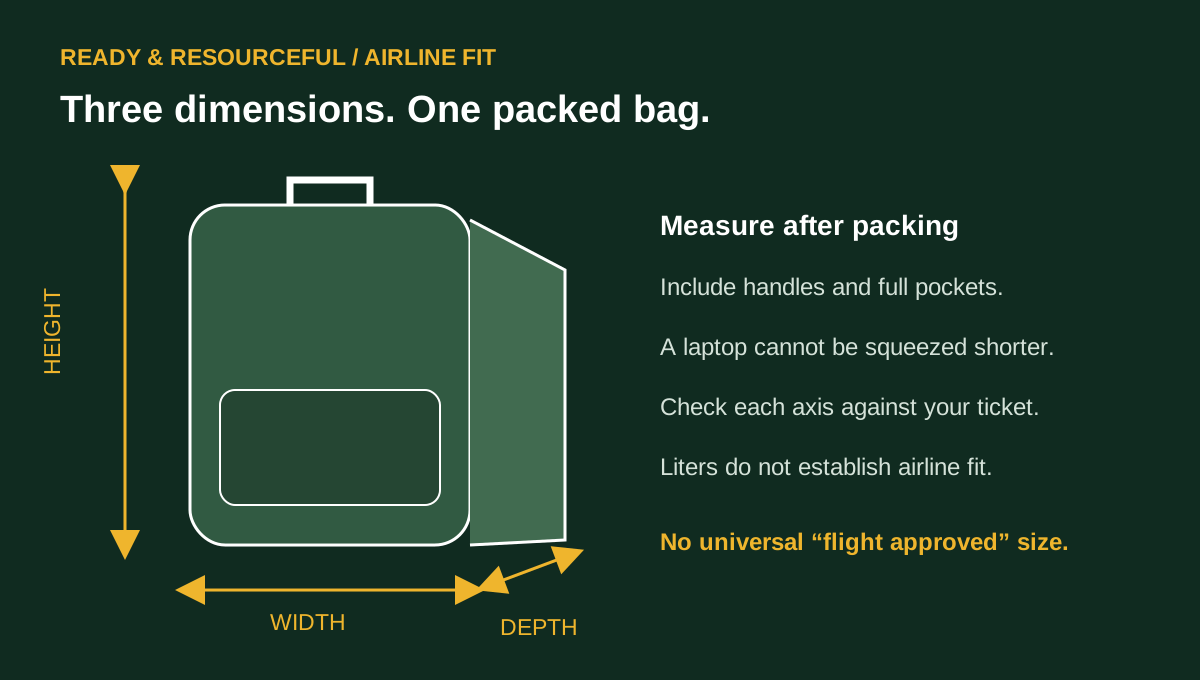
2. Choose dimensions before liters
Capacity labels are useful within a product family, but they are not airline measurements. A tall, narrow hiking bag can have fewer advertised liters than a travel bag and still exceed a height limit. Rounded corners, back panels and internal dividers also mean the external rectangular envelope is not all usable packing space.
Our table includes exterior-envelope calculations to expose that distinction. Multiplying 39 × 29.5 × 20cm and dividing by 1,000 gives about 23.0L. That is not an independent measurement of the Classic’s internal capacity and does not validate or disprove its 28L label. It tells you that brand capacities and simple rectangular arithmetic are different measurements. For a flight purchase, the loaded dimensions are the decision that matters.
3. Test the computer, not its screen label
A “15-inch laptop” description is a screening clue. Compare the device’s width, height and thickness, plus any protective case, against the compartment. Include the charger in the packing exercise. Large plugs and rigid accessories often occupy the space that looked free when you tried only the computer.
The Kånken Laptop 15 provides stated laptop-compartment dimensions; the Classic Tech lists a maximum device size and thickness. If a manufacturer does not provide enough measurements, ask for them or buy only with a workable return policy. Do not force a computer into a sleeve or rely on a zipper to compress an expensive device.
4. Budget the whole carried weight
A lightweight empty bag is helpful only if the complete load remains manageable. In a hypothetical 7kg cabin-weight budget, an 840g bag leaves 6.16kg for contents; a 460g bag leaves 6.54kg. The 380g difference may matter, but the laptop, full bottle and camera can matter much more. Seven kilograms is an example, not the limit of every airline in our table.
Weigh the bag ready to leave home. Include everything you will put back after security, and check whether the airline combines your personal item with another cabin bag for its weight rule. Keep any item you remove inside the permitted baggage arrangement; holding an extra pouch does not automatically exempt it from the allowance.
5. Favor access that survives a disruption
The useful personal-item backpack is the one you can live from for a delayed afternoon. Put the items you must reach together: travel documents, prescribed medication, phone, charging cable, a permitted power bank and your immediate comfort needs. Keep a simple offline record of your itinerary and important contact details.
Our power-bank comparison explains energy and charging choices, but flight restrictions come first. The FAA requires spare lithium batteries and power banks in cabin baggage, protected against short circuit; if your bag is gate-checked, remove them and keep them with you. Check your airline’s additional restrictions. A pocket that keeps these items accessible is more useful than a decorative “USB charging” claim.

6. Separate weather protection from waterproof claims
A water-resistant fabric description is not proof that the whole pack keeps a laptop dry. Zippers, seams and open pockets are potential entry points. Keep documents and electronics in suitable protective sleeves or pouches, and do not leave the bag in pooled water. We have not conducted a rain test on these bags and do not award a waterproofness winner.
For everyday travel, ask a concrete question: can you protect the few things that must stay dry without turning the bag into a stack of heavy organizers? A removable pouch can serve several bags. It should not become an excuse to ignore the manufacturer’s care instructions or to overfill the backpack.
7. Make the return window your fit check
Keep packaging and tags until you have checked the exact model, measured the loaded bag and tried it indoors with the weight you expect to carry. Adjust both straps, walk stairs if appropriate for you and see whether the laptop presses against your back. We cannot infer your comfort from a specification sheet.
Try reaching documents without tipping loose contents onto the floor. Check whether the bag opens in a way that works in a cramped seating area. If a zipper strains, a laptop fits only at an angle or the bag exceeds a strict allowance, choose another size instead of hoping travel day will solve it.
A practical personal-item packing example
Start with a trip where a separate suitcase carries most clothes. Your underseat bag needs a small essentials load, not a second suitcase disguised as a backpack. Lay out documents, medication, phone and cable, a permitted power bank, headphones, a light layer and a modest change of underwear. Add the computer only if you need it.
Pack rigid flat items against the back panel, then add soft clothing where it does not distort the shell. Keep your immediate-access pouch near the opening. Close the bag without leaning on it. Measure its widest points, including pocket contents, and weigh it. Then reopen it and remove one item you do not need during the flight or an ordinary delay.
For a one-bag weekend, repeat the exercise with all your clothing and toiletries. That is a different test. If everything fits only with expansion open or with shoes strapped outside, you have not demonstrated personal-item compliance. Compare paying for a larger allowance with buying a different bag. The cheaper solution may be using a bag you already own.
Our flight-disruption safety guide explains the distinction between being prepared for a delay and responding to an actual emergency. During an ordered evacuation, leave every bag behind. The FAA’s carry-on guidance warns that retrieving belongings can impede evacuation. No document pouch, camera or expensive backpack changes that instruction.
Why we did not simply recommend the biggest daypack
A hiking daypack and an underseat travel backpack solve different problems. If you also want a trail bag, see our Osprey Daylite Plus review, Daylite versus Daylite Plus comparison and Osprey size guide. Use those for fit and activity choices, then separately check airline dimensions. Our best Osprey backpacks guide includes larger hiking and backpacking options that are not automatic personal-item recommendations.
We also avoided filling this list with near-identical marketplace bags whose model specifications could not be checked as clearly. A low price or large review count does not establish loaded dimensions, material performance or laptop protection. Check the seller, precise capacity variant and returns before purchasing through any retailer.
Personal-item backpack questions answered
What size backpack counts as a personal item?
There is no universal size. In the rules checked here, American lists 45 × 35 × 20cm, easyJet lists 45 × 36 × 20cm and Ryanair lists 40 × 30 × 20cm. The bag must meet the relevant allowance and stowage requirement. Check your own operating carrier and fare, not just these examples.
Can a 28L backpack be a personal item?
Sometimes. The CabinZero Classic and Classic Tech 28L list dimensions within the three allowances above, but advertised volume alone is not the test. A different 28L bag can be too tall or deep. Measure your packed bag and check the exact model.
Is the Osprey Daylite 26+6 a personal item?
It depends on the airline. Its listed unexpanded 43 × 33 × 16cm dimensions pass our American and easyJet specification screens but exceed Ryanair’s free-bag height and width limits. Expansion changes the packing shape again. Do not treat its travel marketing as universal approval.
Which backpack is best for a laptop?
Start with the Classic Tech 28L or Kånken Laptop 15 because their layouts include a separate laptop compartment. The better choice depends on your computer’s complete dimensions, protective case, other contents and airline limits. Neither is a guarantee for every device with the same screen size.
Can I take a personal-item backpack and a carry-on suitcase?
That depends on your fare and airline. A free underseat bag does not mean an overhead suitcase is included. Check the baggage entitlement on the ticket and every separate flight; do not infer it from the backpack retailer’s description.
Do compression straps guarantee that a bag will fit?
No. They can reduce a soft load’s bulk, but they do not shorten a rigid laptop or prove the packed dimensions meet a rule. Measure the result rather than assuming a strap or compression cube makes an oversized pack compliant.
How we researched this comparison
We checked the five manufacturers’ listed dimensions, empty weights, named versions and relevant organization features on November 4, 2026. We compared those specifications with three directly accessible official airline policies, then assigned recommendations by packing use. The dimension checker uses the same numbers shown in the tables. It does not simulate a sizer, seat space, soft-fabric compression or gate-agent decisions.
This is a research-based buying guide. We did not buy, fly with or physically test this shortlist, and we do not publish invented comfort scores, durability results or customer testimonials. Capacities and weights are manufacturer-reported; envelope volumes and dimensional margins are our arithmetic. No verified live prices are presented. Amazon buttons open model searches so you can check availability and the exact version.
The airport cover scene is AI-generated and depicts a generic unbranded bag, not any named model or hands-on test. Product photographs are credited to the linked manufacturers and identify the exact products discussed; they are not our own photography. Original R&R diagrams explain dimensions and listed weights. The separate Pexels travel imagery and video are illustrative.
Primary sources and update checks
- CabinZero Classic 28L specifications
- CabinZero Classic Tech 28L specifications
- Cabin Max Metz 20L specifications
- Fjällräven Kånken Laptop 15 specifications
- Osprey Daylite Expandable Travel Pack 26+6 specifications
- Ryanair baggage policy
- American Airlines baggage policy
- easyJet baggage policy
- FAA lithium-battery guidance
- FAA carry-on and evacuation guidance
Before departure, check the airline policy again and remeasure after changing the packing list. If a manufacturer changes a model’s dimensions or weight, the shortlist and fit table need a fresh comparison. Tell us about a documented specification change with the exact model and primary source.