
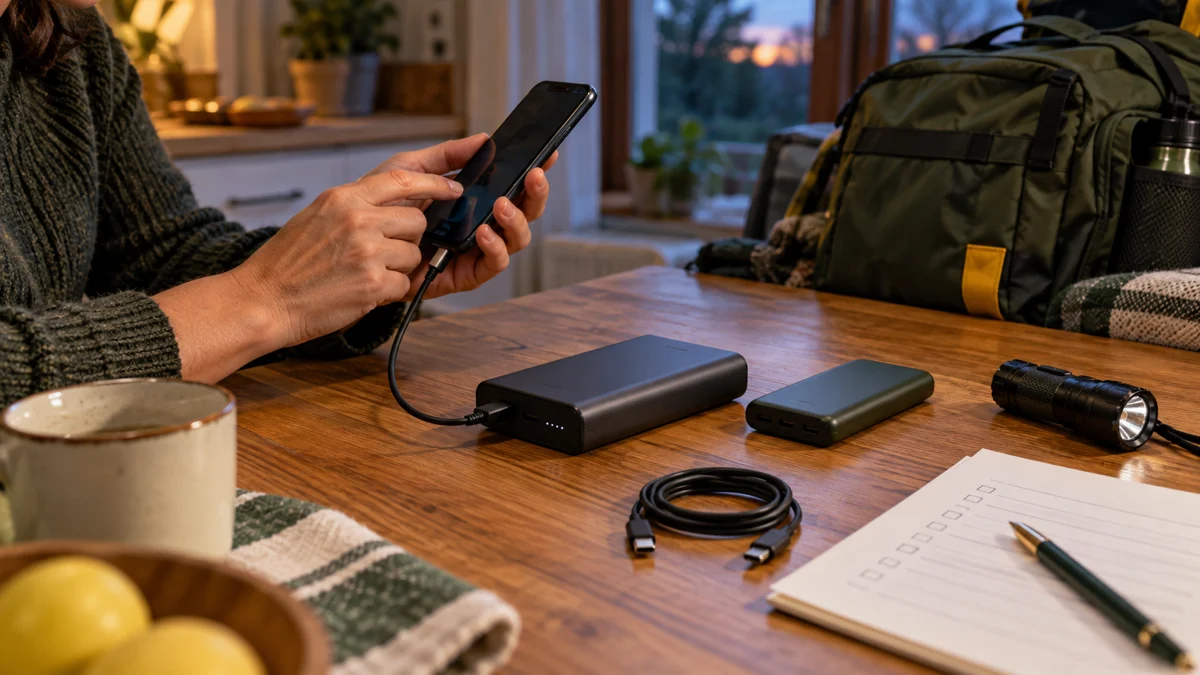
The best power bank for emergencies is the one that can charge your actual devices, carry enough usable energy for your plan, and be recharged before you need it again. A big mAh number does not answer those questions. Neither does a fast-charging badge.
For a household phone kit, start by comparing the Anker A1383 with the lighter NITECORE NB20000 Gen3. For a lighter departure bag, consider the NB10000 Gen4. For protected outdoor use, investigate the Goal Zero Venture 75; for a compatible laptop as well as phones, compare the UGREEN 145W. These are best-fit selections among the five models researched here, not laboratory winners.
A 72-hour kit needs a charging budget, not a promise that one battery lasts exactly three days. Start with the 72-hour household preparedness guide and free printable checklist. Water, food, medicines, light and a family plan still matter when every phone is charged.
Best emergency power banks at a glance
As an Amazon Associate I earn from qualifying purchases. Buttons open U.S. model searches, not verified live offers. Check the exact model, seller and bundle. No purchase is needed to use the tools.
Built-in cable convenience
Anker A1383 · 20K, 87W
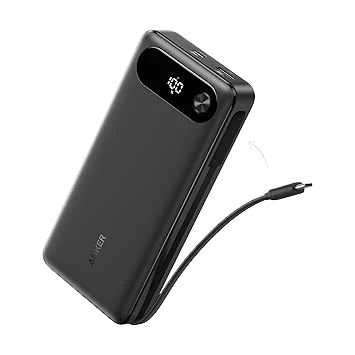
72Wh · 431g listed
65W single USB-C; 87W combined
Refill input: up to 65W.
COMPARE NOWLightweight grab-bag choice
NITECORE NB10000 Gen4
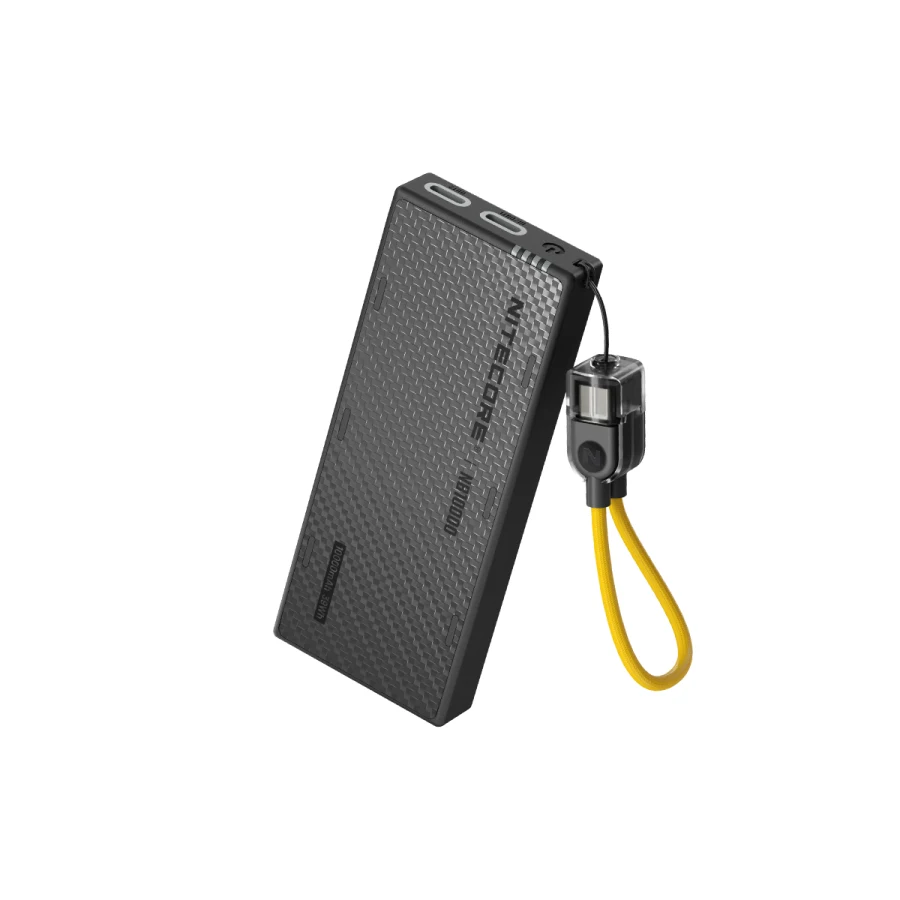
39Wh · 143g listed
22.5W single; 15W combined
Refill input: up to 22.5W.
COMPARE NOWMore energy without as much carry weight
NITECORE NB20000 Gen3
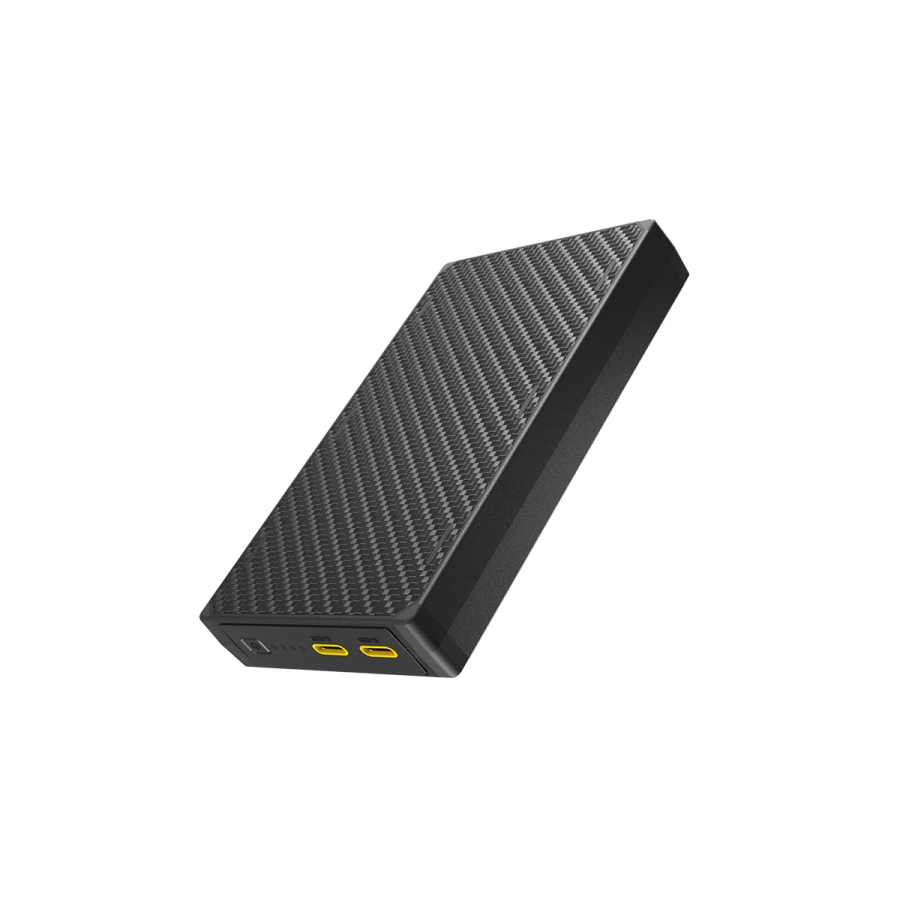
72Wh · 291g listed
22.5W single; 15W combined
Refill input: up to 18W.
COMPARE NOWProtected outdoor-use candidate
Goal Zero Venture 75
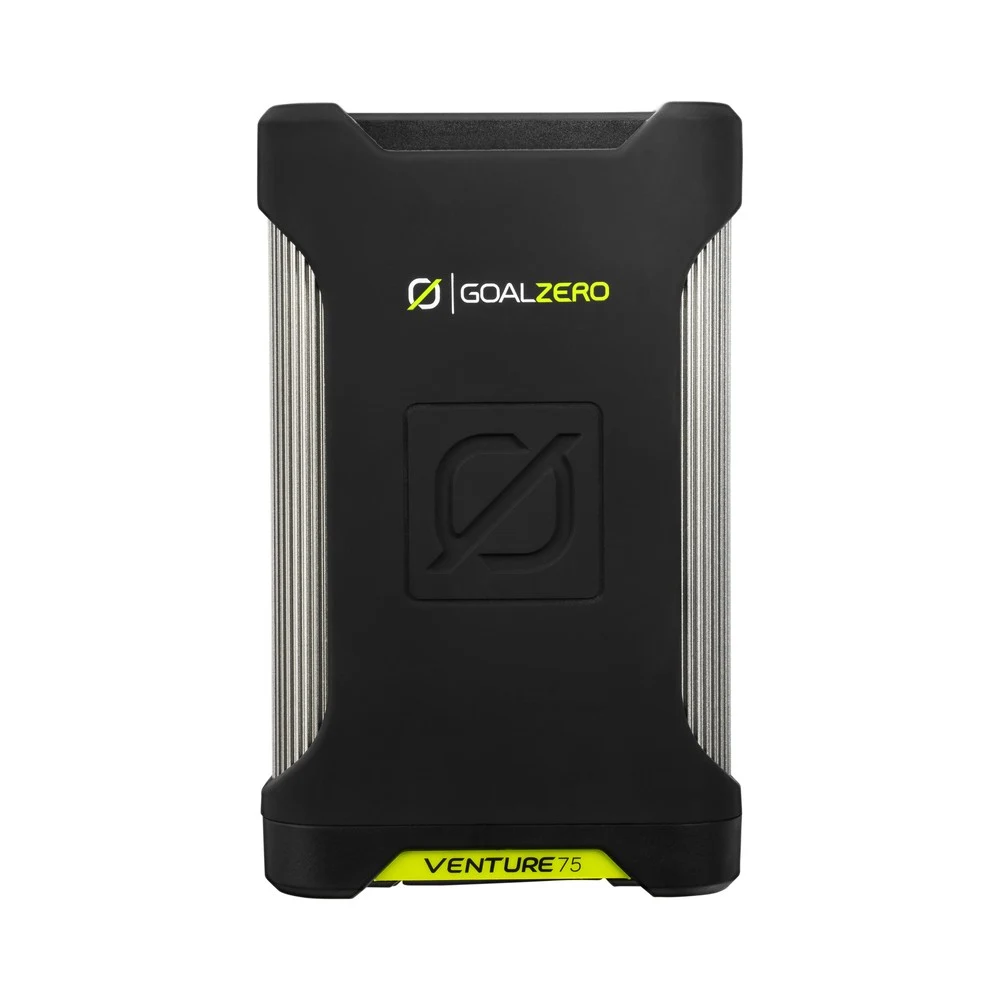
71.04Wh · 577g listed
60W USB-C; USB-A up to 15W each
Refill input: up to 60W.
COMPARE NOWCompatible laptop plus phone use
UGREEN 145W · SKU 90597A
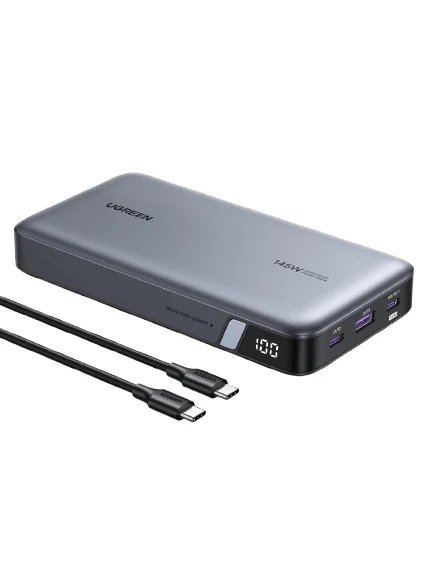
90Wh · 513g listed
140W USB-C1; 145W advertised combined
Refill input: up to 65W.
COMPARE NOWChoose the power bank for the job
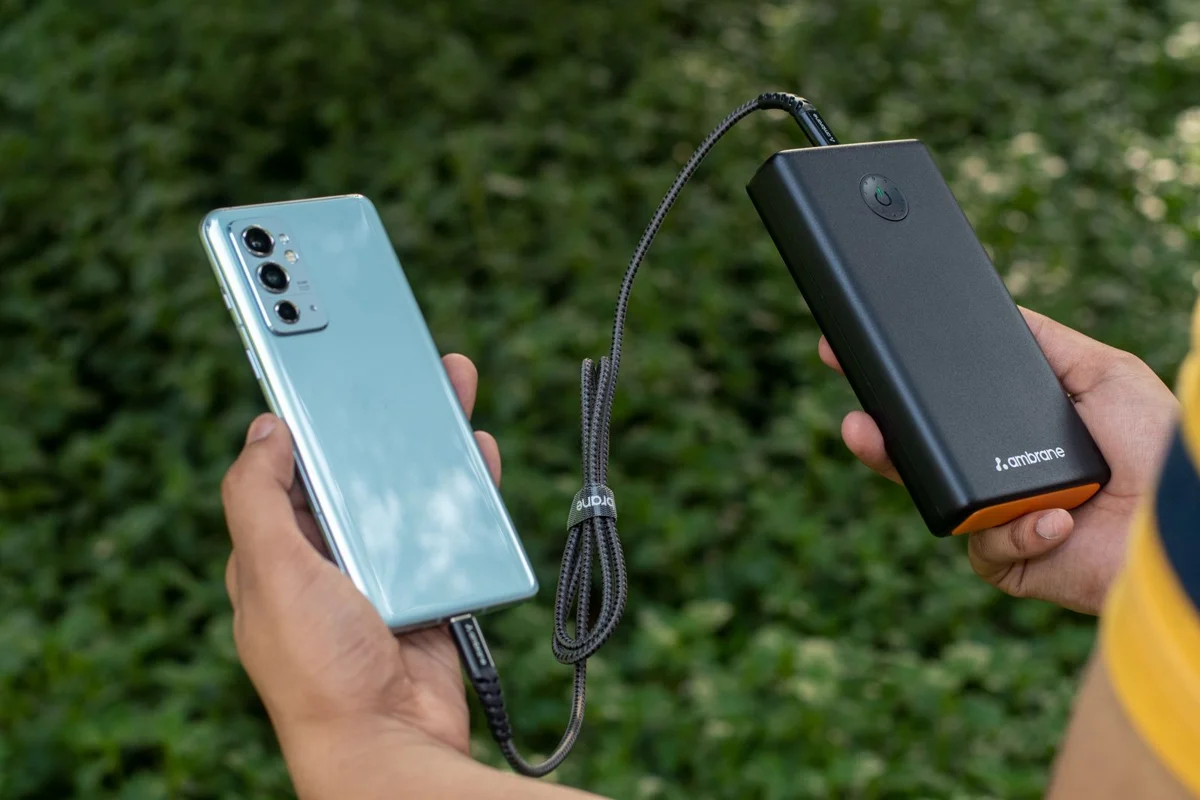
Write down what must stay usable: one phone for messages, two phones for a household, a rechargeable headlamp, or a laptop used for a specific task. Then decide whether the battery stays on a shelf or travels in a bag. A lighter unit and a larger household reserve can have separate jobs.
| Your priority | Start here | Main compromise |
|---|---|---|
| Built-in cable convenience | Anker A1383 · 20K, 87W | More carry weight than lightweight picks |
| Lightweight grab-bag choice | NITECORE NB10000 Gen4 | Smaller energy reserve |
| More energy without as much carry weight | NITECORE NB20000 Gen3 | 18W refill input |
| Protected outdoor-use candidate | Goal Zero Venture 75 | 577g before your other kit |
| Compatible laptop plus phone use | UGREEN 145W · SKU 90597A | Laptop use competes with phone reserve |
Keep a working bank you already own if it meets the need and passes condition and recall checks. Buying a more powerful model does not improve preparedness when the missing item is a compatible cable or an uncharged battery. Test the complete setup before deciding what to replace.
Watch the product comparison
The original narrated summary below compares the five buying cases and explains why output watts, stored energy and input watts are different decisions.
Read the comparison-video transcript
For a seventy-two-hour kit, compare usable energy, refill speed, cables and weight. These five selections use published specifications, not our hands-on tests.
The Anker A thirteen eighty-three offers a built-in USB C cable and sixty-five-watt single-port charging. Its eighty-seven-watt headline is a combined budget. Compare it for cable convenience.
The Nitecore N B ten thousand Generation Four is the lightweight choice. It lists thirty-nine watt-hours and a weight of one hundred forty-three grams, excluding accessories. Check that smaller reserve against your needs.
The N B twenty thousand Generation Three lists seventy-two watt-hours at two hundred ninety-one grams. Its tradeoff is eighteen-watt input. A fast output does not guarantee a fast refill.
The Goal Zero Venture seventy-five is the protected outdoor-use candidate. Its I P sixty-seven rating requires the protective door closed. At five hundred seventy-seven grams, protection adds a carrying tradeoff.
The Ugreen one-forty-five-watt model suits a compatible laptop plus phones. Its ninety-watt-hour reserve must cover both jobs. Check the exact charging profile, cable and shared output budget.
Use the article calculator to plan phone top-ups and other devices, with explicit losses and reserve. Check recalls, test your actual cables, and keep the bank charged. Capacity alone does not guarantee three days.
Original R&R comparison edit with actual manufacturer product photographs, animated explanations, synthetic narration and original instrumental music. Illustrative charging footage is licensed stock, not a test of these products.
Anker A1383 · 20K, 87W: built-in cable convenience
Anker’s support specification lists 65W from the built-in USB-C lead or USB-C port, with an 87W combined budget. It lists a weight of 430.91g; the linked battery safety sheet identifies 72Wh. The integrated lead makes this our convenience choice for a compatible USB-C household, rather than the lightest option.
The 87W label does not mean 87W reaches one phone or laptop. Check the device and charging profile. Keep a suitable spare lead for the separate port and verify the exact A1383 model: several similarly named Anker products are different units. This is a practical candidate when cable availability matters more than minimizing bag weight.
Energy reference: A1383 battery safety sheet, page 1. Its sample weight differs from the support listing; use the actual unit for a strict packing limit.
NITECORE NB10000 Gen4: lightweight grab-bag choice
NITECORE lists 39Wh and 143g excluding accessories for Gen4. Its two USB-C outputs support up to 22.5W individually, but the combined output specification is 15W. A lanyard charging cable is listed in the package. This is the lightweight pick when its smaller energy reserve meets your calculation.
Do not substitute Gen2 or Gen3 data: the named generation matters. The IPX7 specification is manufacturer-reported protection, not our waterproofing test or permission to charge a wet bank. This model makes sense for a light departure bag or separate fallback; it is not automatically enough for repeated household charging.
NITECORE NB20000 Gen3: more energy without as much carry weight
The NB20000 Gen3 lists 72Wh and 291g excluding accessories. Its headline capacity doubles the NB10000 family’s mAh label, but check the actual Wh comparison above. Output is up to 22.5W through one USB-C connection, or 15W combined.
The important compromise is an 18W maximum input. If you expect short windows at a working socket, that can be more limiting than output speed. NITECORE also lists 10,100mAh at 5V under its specified rated-output condition, equivalent to 50.5Wh at that output—not 72Wh arriving inside a phone. Choose it for the energy-and-weight combination after allowing for the slower refill and exact cable needs.
Goal Zero Venture 75: protected outdoor-use candidate
Goal Zero lists 71.04Wh, a 60W bidirectional USB-C port, two USB-A outputs and a 577g weight. Its IP67 description requires the waterproof door fully closed. A USB-C-to-C cable is listed in the box. This is the protected-use candidate when the conditions and instructions match your job.
It is considerably heavier than the two NITECORE options. The manufacturer lists a 1.5-hour refill from 60W USB-C PD, while its detailed solar table gives much longer, panel-dependent ranges. Do not turn the broad solar marketing claim into a dependable outage recharge schedule. Compare its protection requirement against the actual carrying burden, and keep all connections dry.
UGREEN 145W · SKU 90597A: compatible laptop plus phone use
UGREEN’s current specification table lists 90Wh, 513g, a 140W USB-C1 output and 65W USB-C1 input for SKU 90597A. It lists two USB-C ports, one USB-A port and an included 0.5m 240W cable. We use those explicit specification fields rather than assuming every marketing paragraph describes the same limit.
This is the laptop-oriented selection. A compatible laptop must support the required USB-C PD profile, and connecting several devices changes the shared budget. Spending much of the 90Wh reserve on work can leave less for household phones. UGREEN advertises a two-hour refill with a 65W PD charger; that charger and the correct cable belong in your plan, not just in a footnote.
Compare capacity, input, output and portability
| Model | Nominal energy | Max input | Output budget | Listed weight / size | Protection |
|---|---|---|---|---|---|
| Anker A1383 · 20K, 87W | 72Wh / 20,000mAh | 65W | 65W single USB-C; 87W combined | 431g / 157.5 × 73.5 × 26 mm | No rating established here |
| NITECORE NB10000 Gen4 | 39Wh / 10,000mAh equivalent | 22.5W | 22.5W single; 15W combined | 143g / 116 × 46.8 × 14.5 mm | IPX7 |
| NITECORE NB20000 Gen3 | 72Wh / 20,000mAh | 18W | 22.5W single; 15W combined | 291g / 118 × 69 × 21.5 mm | IPX5 |
| Goal Zero Venture 75 | 71.04Wh / 19,200mAh equivalent | 60W | 60W USB-C; USB-A up to 15W each | 577g / 156 × 96 × 29 mm | IP67 with protective door closed |
| UGREEN 145W · SKU 90597A | 90Wh / 25,000mAh | 65W | 140W USB-C1; 145W advertised combined | 513g / 160 × 80 × 26 mm | No rating established here |
Sources are linked in each product section. Figures describe the documented models, not measurements by R&R. Ports sharing an output budget cannot each deliver the headline maximum simultaneously. Verify the current label and instructions of the unit sold in your region.
How much power-bank capacity do you need for 72 hours?
Count energy in watt-hours (Wh) first. Milliamps multiplied by hours describe charge; the voltage is needed to translate that charge into energy. The basic relationship is Wh = mAh × nominal voltage ÷ 1,000. Use the manufacturer's printed Wh value where available instead of assuming all battery packs use the same cell voltage.
For example, 10,000mAh at 3.6V is 36Wh, while 10,000mAh at 3.9V is 39Wh. NITECORE lists 39Wh for the NB10000 Gen4. That is why multiplying a phone's mAh by a target number of charges and comparing it directly with a power-bank mAh label can mislead.
Not all nominal energy reaches the phone battery. Conversion, cables, charging behavior, battery condition and simultaneous phone use affect the result. A bank's rated USB output capacity is also not the same as energy ultimately stored inside a phone. In particular, do not apply a conversion-loss deduction twice to a figure that already describes usable delivered energy.
Worked planning example: assume a phone battery stores 19Wh, you budget three equivalent full top-ups, and you allow 70% end-to-end efficiency with 20% of the nominal bank energy held back as reserve. Required nominal bank capacity is 57 ÷ (0.70 × 0.80), or about 102Wh. A 72Wh bank would not meet that particular plan. These are chosen assumptions, not measured product results or a claim that every phone needs a full recharge each day.
Your 72-hour charging-budget calculator
A planning estimate for non-medical USB devices. Defaults are assumptions, not product tests. Enter phone Wh from your device specifications; use 19Wh only as an example.
Default example: one phone × 19Wh × one equivalent top-up daily × three days = 57Wh device demand. A 72Wh bank with 70% efficiency and 20% nominal reserve allocates 40.3Wh: a 16.7Wh shortfall. About 102Wh nominal is needed under those assumptions.
Formula: device demand = phones × phone Wh × top-ups/day × days + other-device Wh. Allocated energy = nominal bank Wh × efficiency × (1 − reserve). Required nominal Wh = demand ÷ [efficiency × (1 − reserve)]. This does not simulate charging curves or certify readiness.
The phone's charge at the start of an outage is deliberately excluded from this reserve calculation. You can choose fewer top-ups if that matches a realistic conservation plan, but do not quietly count a phone that may already be nearly empty. Add other devices explicitly. If a result is short, reduce optional consumption or plan additional charged capacity; don't reinterpret the shortfall as readiness.
Interactive comparison: energy versus carried weight
Switch the view below to compare nominal energy or manufacturer-listed weight. Neither view ranks reliability, efficiency or emergency outcomes. Weight excludes the rest of your charging kit; NB10000 Gen4 and NB20000 Gen3 weights exclude accessories.
Read the specification table for a text equivalent. Changing the view does not change the selection order.
Recharge time: check the input, not just the output
A battery can charge a device quickly while taking much longer to refill itself. The NB20000 Gen3, for example, lists up to 18W input alongside up to 22.5W single-port output. With intermittent access to a safe working socket, input compatibility can matter as much as capacity.
| Model | Wh ÷ max input: ideal floor | Manufacturer refill claim used here |
|---|---|---|
| Anker A1383 · 20K, 87W | 1.1 h; real time longer | No refill-time claim used; check exact manual |
| NITECORE NB10000 Gen4 | 1.7 h; real time longer | No refill-time claim used |
| NITECORE NB20000 Gen3 | 4.0 h; real time longer | No refill-time claim used |
| Goal Zero Venture 75 | 1.2 h; real time longer | Manufacturer: 1.5 h at 60W USB-C PD; 2 h at 45W |
| UGREEN 145W · SKU 90597A | 1.4 h; real time longer | Manufacturer: about 2 h with 65W PD charger |
The lower-bound column is arithmetic, not a recharge-time prediction. Dividing nominal Wh by maximum input watts assumes constant maximum power with no loss or taper. Real charging takes longer and depends on the charger, cable, temperature, starting charge and the bank's charging curve. A 65W wall charger does not force 65W into a bank that accepts only 18W.
For example, a small 10W USB adapter has an ideal lower bound of 7.2 hours to supply 72Wh before charging losses or taper. An advertised two-hour refill needs the specified compatible equipment. Record which charger and cable you actually tested instead of packing a random old wall adapter.
Cables and ports can decide whether the kit works
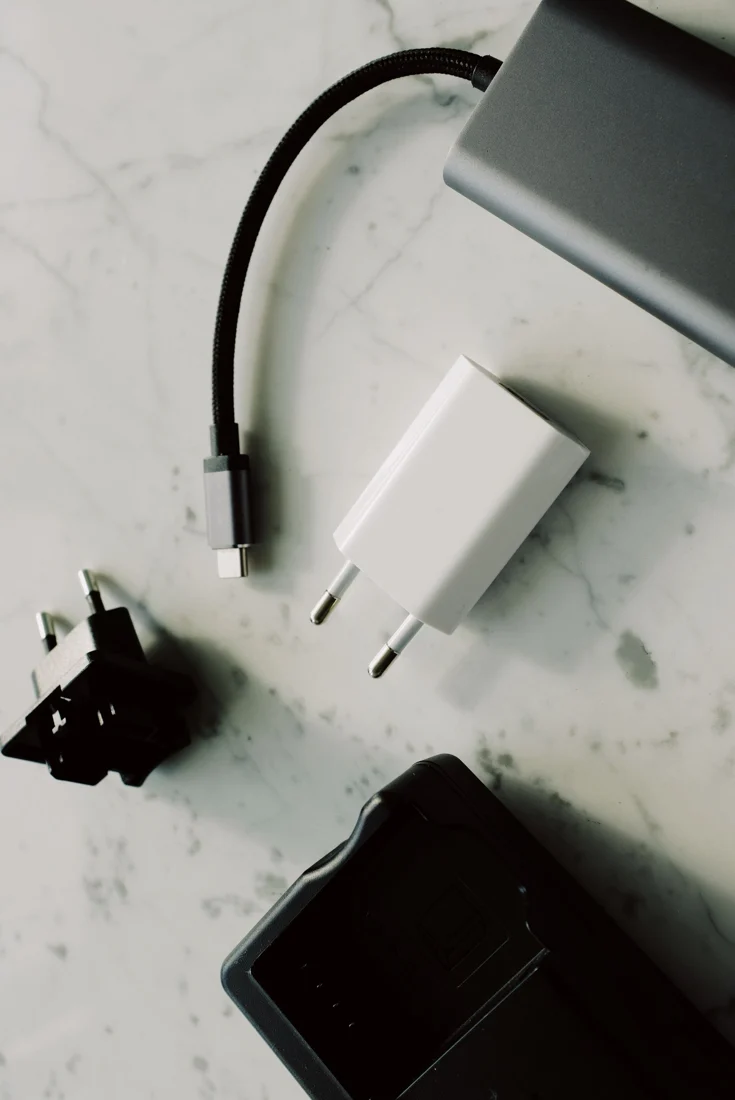
Use a short, sound cable that fits the phone and supports the power you need. A USB-C connector shape alone does not establish every cable's wattage or charging protocol. Higher-power laptop charging needs the appropriate rated cable and a compatible USB Power Delivery profile.
An integrated USB-C cable reduces the chance of forgetting one lead; it does not serve an older Lightning phone or replace every other connector in the household. A separate spare can also be useful if the built-in lead is damaged. Pack the right cable beside the right device, and label a spare if several similar cables are stored together.
Check low-current behavior with small lights or wearables. Some devices draw too little current for a bank's ordinary output mode. Follow the model's low-current instructions where supported; a screen showing remaining charge does not prove that a tiny accessory is still receiving power.
Two people do not necessarily need both phones charging at the same instant. Sequential charging may simplify the port budget, but sharing one bank introduces a single failure point. Two smaller charged banks can separate users or locations; one larger bank may simplify maintenance. Compare the complete arrangement, including cable weight and charging access.
Recall and storage checks before a bank enters your kit
Check the exact model and serial number against the CPSC recall database and the manufacturer's current notices. The September 18, 2025 Anker recall names A1647, A1652, A1257, A1681 and A1689. Those are different from the A1383 compared here, but that distinction is not a permanent safety clearance.
A fresh example is the October 29, 2026 HAIARA W5 PRO recall, which identifies affected units without a date code. Follow the exact notice and remedy for your unit. A familiar marketplace, low price or large review count is not a replacement for identification and recall checks.
Follow the bank's charging and temperature instructions. Inspect for damage, swelling, leakage or unusual heat; stop using a suspect unit and obtain the manufacturer's handling advice. Do not pack a damaged bank and hope it will be acceptable in an emergency. Recalled lithium batteries need the disposal route specified by the recall and local services, rather than ordinary household trash.
Keep the bank accessible, dry and protected from crushing or loose conductive objects. Do not leave it in a vehicle as a permanent reserve unless the exact instructions and expected temperatures support that arrangement. An IP rating is conditional protection, not permission to charge wet equipment. Goal Zero's Venture 75 IP67 description requires its protective door fully closed.
Schedule inspection and charge checks with the kit maintenance checklist. Follow each model's storage advice; Goal Zero specifies a charge every three to six months for Venture 75. Recheck after use, damage, a recall notice or a change in household devices. A disconnected battery in a drawer needs maintenance too.
What a power bank cannot replace
A charged phone cannot restore a failed cellular network. Keep paper contacts, an out-of-area contact and a meeting plan, and read our cell-tower outage communication guide. A separate battery-powered radio can reduce dependence on phone streaming. Use a dedicated light instead of spending the phone reserve on its flashlight.
These USB power banks are not general household backup systems. They do not provide ordinary AC sockets for a refrigerator or heater. A laptop-capable port also does not establish a suitable medical-device backup. Medical dependencies need a device-specific plan with the relevant care team and equipment supplier.
A small built-in solar panel should not be assumed to replenish three days of use. A separate compatible panel may help under suitable conditions, but sunlight, placement and weather determine what arrives. Do not count an untested future solar harvest as energy already stored. For appliance-level requirements, compare an appropriately sized portable power station after checking your actual loads.
Before you buy: a five-minute charging rehearsal
- Identify: record the bank's exact model, Wh label and recall-check date.
- Connect: test the actual phone, cable and selected port. Check that charge is going in the expected direction.
- Refill: verify the wall charger and cable you will use to recharge the bank.
- Budget: record planned phone top-ups and any shared light or accessory demand.
- Pack: keep the checked bank and cables together, then set a review reminder.
Include the charger and cables when comparing cost and packed weight. Retailer bundles differ, and a product photograph showing a cable does not prove every seller includes the same one. Amazon buttons below and above open model searches; inspect the exact listing, seller and included equipment before purchasing.
Emergency power-bank questions answered
Is a 20,000mAh power bank enough for three days?
It depends on the phone, number of users, charging frequency, losses and other devices. A 72Wh bank using this planner's 70% efficiency and 20% reserve assumptions allocates about 40Wh to devices. That is about two equivalent 19Wh phone top-ups, not a universal three-day guarantee.
Should I buy 10,000mAh or 20,000mAh?
Choose from your charging budget and carry limits. A smaller bank may cover a light user or serve as a separate fallback; a larger one may better suit repeated charging. Check Wh, weight and input speed rather than assuming all products with the same mAh behave alike.
Is a magnetic wireless bank best for emergencies?
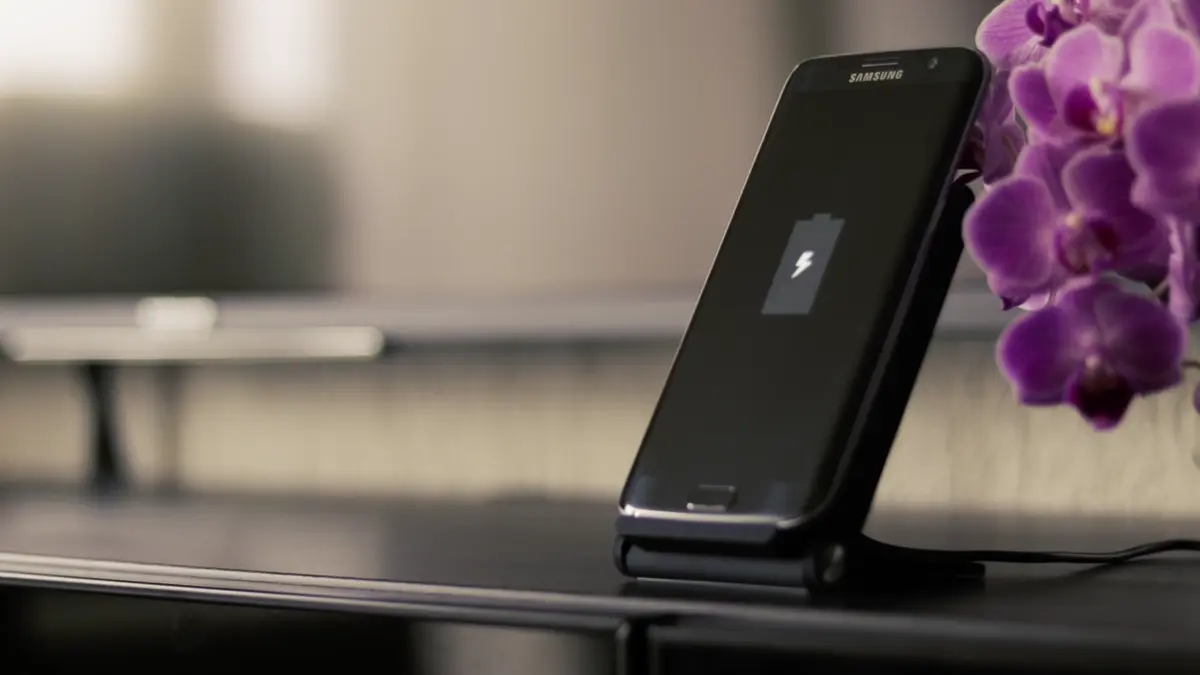
It can be convenient, but this shortlist prioritizes wired charging and explicit cable planning. If you choose wireless, check the exact phone compatibility, retention, heat and measured energy use of your arrangement. Do not apply the wired planning assumptions as a promise of wireless results.
Can I charge the bank while it charges a phone?
Only where the exact model supports that operation and its instructions permit the setup. Shared power budgets and charging direction matter. Pass-through support does not turn a portable battery into a certified uninterrupted backup system.
Which pick would you buy first?
For a phone-focused household with compatible USB-C equipment, compare A1383 convenience against NB20000 Gen3 carry weight and slower refill input. Choose the lightweight NB10000 Gen4 only when the smaller energy budget fits. Use Venture 75 or UGREEN 145W when their specific protected-use or laptop role justifies the weight.
How we researched and selected these power banks
Ready & Resourceful checked manufacturer product pages, model-specific support specifications, the linked A1383 battery safety sheet and current public recall sources on October 31, 2026. We selected five distinct buying cases and excluded the models named in the linked Anker recall. We did not perform discharge, drop, waterproofing, temperature, longevity or recharge tests.
Manufacturer specifications and claims are attributed in the comparison. The charging budget, worked examples, interactive graphics and decision framework are original R&R planning tools. They use stated assumptions and do not award invented ratings. Product photographs show the named equipment and are credited to manufacturers. The household hero is an AI-generated illustration, not a field photograph or test setup.
This research-based guide uses AI-assisted production with editorial source checks. Prices and stock can change; no live retailer price or review score is embedded. Read our editorial standards and corrections policy and affiliate disclosure. Corrections to a model or specification can be sent through our contact page.