
Seven liters sounds like a small difference until a jacket, lunch and an extra bottle compete for the same space. That is the decision I would make first when comparing the Osprey Daylite and Daylite Plus. Both belong in the small everyday-pack conversation; neither should be bought simply because its name resembles a backpacking model.
My shortlist is the Daylite for a consistently compact daily load and the Daylite Plus for a mixed routine that includes additional layers or travel items. I would choose the Plus when flexibility matters more than keeping the bag as small as possible. I would choose the regular Daylite only after confirming that the complete intended kit fits comfortably.
This is a research-based comparison, not a field-test report. Manufacturer specifications were checked on October 12, 2026. The recommendations below are editorial judgments about the listed designs and practical buying decisions. For the wider range, see our best Osprey backpacks comparison.
As an Amazon Associate I earn from qualifying purchases. Buttons open model searches; check the exact generation and size.
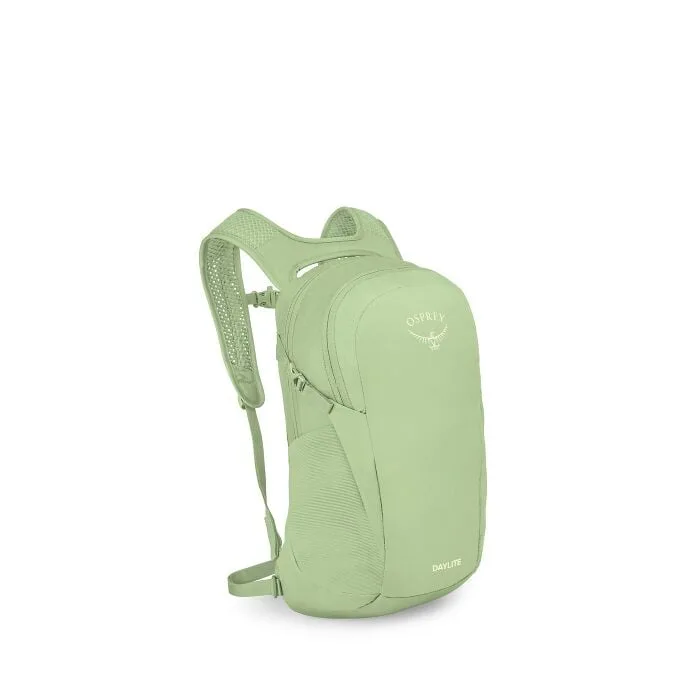
Osprey Daylite at a glance
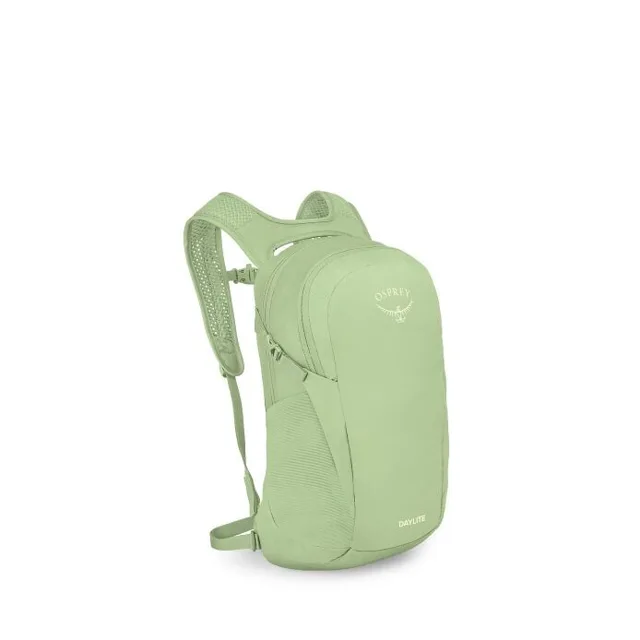
MINIMAL DAILY ESSENTIALS
- Capacity checked
- 13 L
- Published weight
- About 1.23 lb
- Carrying design
- Compact daypack
Reason to shortlist
Small everyday packing footprint
Tradeoff to consider
Limited space for extra layers
The regular Daylite offers 13 liters of stated capacity. Osprey's checked U.S. page lists approximately 1.23 pounds of empty weight and a removable webbing hipbelt. Those facts make it a candidate for a restrained everyday load, rather than an invitation to attach overnight equipment outside a small bag. The official Daylite specifications identify the version used here.
I like the clarity of that role. Someone carrying a limited selection of essentials can evaluate whether a smaller bag suits their routine without being distracted by more technical features. The important question is whether the contents fit with room to access them. A backpack that closes only when everything is arranged perfectly can become irritating when an ordinary day changes.
The reason to shortlist the Daylite is its smaller capacity and straightforward daily purpose. The tradeoff is that it leaves less room for extra clothing or changing needs. If you keep imagining exceptions to your small packing list, the Plus may be the more honest purchase. Buying the smallest option is not a useful victory if it leads to another bag a month later.
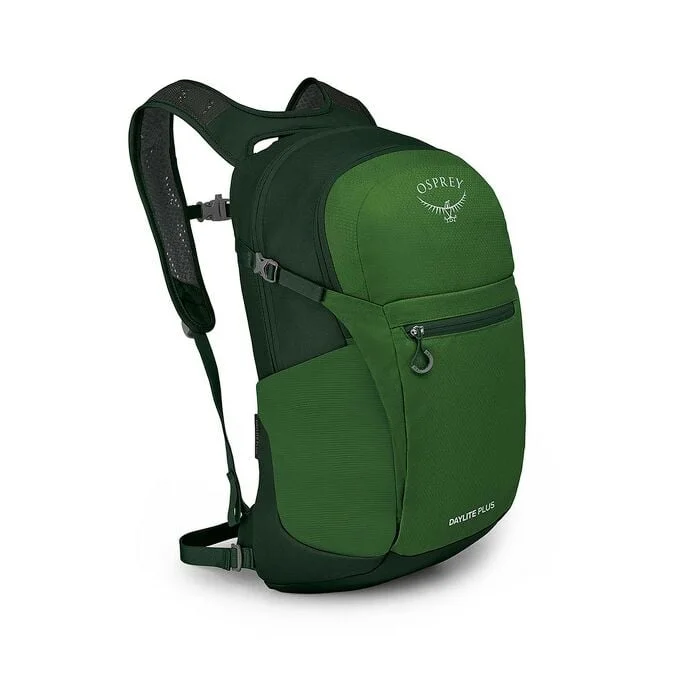
Osprey Daylite Plus at a glance
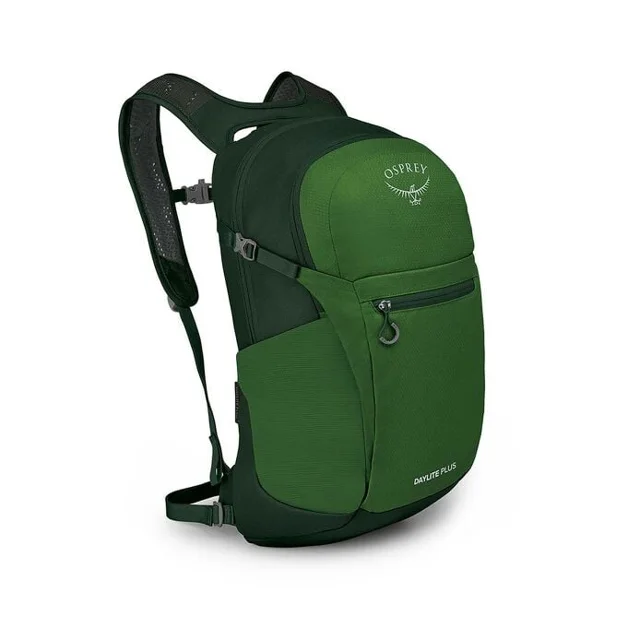
EVERYDAY VERSATILITY
- Capacity checked
- 20 L
- Published weight
- 1.29 lb
- Carrying design
- Webbing hipbelt
Reason to shortlist
Versatile organization
Tradeoff to consider
Simple hipbelt support
The Daylite Plus increases the listed capacity to 20 liters. The checked Daylite Plus product page lists 1.29 pounds of empty weight and additional front storage. I would put it first on a shortlist for someone who wants one small pack to cover ordinary daily carry and lighter day outings.
My preference is based on the extra packing flexibility, not a claim of measured comfort. Twenty liters can make a more forgiving starting point when the kit changes between workdays, short hikes and travel excursions. It still requires a real packing check. A nominal volume does not tell you whether your particular container, laptop or folded jacket occupies the space conveniently.
The added capacity is the main reason to choose it over the regular Daylite. The compromise is accepting a larger bag for the days when the contents are minimal. I would not upgrade automatically because the difference looks attractive on a spreadsheet. If the existing small load already fits and stays predictable, more space may add little value. The Plus earns its place when that space solves an actual recurring problem.
Product comparison
| Buying decision | Daylite | Daylite Plus |
|---|---|---|
| Listed capacity | 13 liters | 20 liters |
| Published empty weight | About 1.23 pounds | 1.29 pounds |
| Our shortlist use | Consistently compact daily load | More flexible everyday and light-hike load |
| Main advantage | Smaller packing footprint | Seven additional liters of stated capacity |
| Main tradeoff | Less margin for changing contents | More bag than a minimal load needs |
| Final check | Fit the complete usual kit | Fit the largest routine kit |
These are the currently checked manufacturer versions. Older listings and reviews can describe different dimensions or weights. Our advice is not to combine an older photograph, a newer specification and a retailer title into one imagined product.
Daylite versus Daylite Plus for hiking
A hiking backpack starts with what you need to bring. I would put the water, food, clothing and other essentials together before choosing between these two. Our beginner day-hike checklist is a useful starting point. The destination and conditions determine the contents; the bag follows that decision.
For a kit that consistently stays compact, the regular Daylite deserves consideration. For additional layers or a more variable packing routine, I would shortlist the Plus. This is a volume judgment rather than a promise that either model supports every possible load. A small everyday pack and a framed hiking pack are different buying categories even when their capacities overlap.
If hiking becomes the main purpose and your load grows, widen the comparison. The Talon and Hikelite options in the Osprey pillar guide address different carrying arrangements. I would rather recognize that category change early than force a daypack purchase to do a job it was never selected for. More accessories outside the bag do not resolve a mismatch between the equipment and the carrying system.
Daylite versus Daylite Plus for travel
Travel creates a different kind of packing uncertainty. An excursion bag may start the morning with a jacket and finish it with that jacket inside, along with food or small purchases. That is where I find the Plus's larger listed capacity easier to justify. The point is flexibility through the day, not filling the available space before leaving.
For somebody using a small bag only for documents and a few personal essentials, the regular Daylite may remain the cleaner choice. Write down the actual travel role. Is this the main luggage, a day bag at the destination, or a companion carried alongside another bag? Those jobs can produce very different buying decisions.
Neither capacity figure establishes airline personal-item acceptance. Check the exact packed dimensions and your airline's current rules for the fare you booked. A loosely packed soft bag and an overfilled bag can behave differently in a size check. I would not base a travel purchase on someone else's flight anecdote. If the main task is packing clothing and electronics for transport, include the travel-focused Farpoint in the wider comparison instead.
Buying guide
Start with the largest ordinary load
The most useful packing exercise is the one that includes the routine exception. A person who usually carries little but regularly needs an extra layer should include that layer in the trial. I would not choose a bag around the lightest day of the week and then judge it unfairly on the busiest one.
Lay everything on a table and separate required items from convenient extras. Place rigid objects together to see whether they compete for the same area. A tall bottle, lunch container and device can be awkward even when the total nominal volume seems reasonable. Use the free backpack-buying worksheet to record the contents and the reason for choosing a particular capacity.
For this comparison, my practical dividing line is simple: choose the Daylite only when the kit is comfortably small, and shortlist the Plus when the normal variation demands more space. That is a more useful rule than attaching a universal trip duration to either bag.
Check the exact model generation
Similar names make it easy to assume that every Daylite review describes the same item. They do not establish that. Match the retailer's photographs and product details with the current manufacturer's listing, and keep the version consistent throughout your comparison.
I would save the relevant listing information before purchase. Record the model name, size, capacity, empty weight and included features. If two sellers show different specifications, identify whether one is selling an earlier version rather than immediately deciding that one seller has made an error. A discount on an older design can be reasonable when the differences suit your needs.
Avoid drawing conclusions from a photograph of a different color or year when the detail you care about is a pocket or harness change. The visible product image helps identify the pack, but the listing and specification sheet still need to agree. This small check is often more valuable than reading another broad recommendation.
Evaluate devices and small-item access
Device compatibility should be checked with the device itself. A manufacturer's statement about fitting most laptops is not a guarantee for every casing, protective sleeve or unusually shaped machine. I would compare actual dimensions and protection needs instead of making the buying decision from screen size alone.
Small-item organization deserves the same attention. Think about the things you retrieve while the main compartment stays packed. Keys, a transport card or snacks should not require emptying the entire bag to locate them. Conversely, additional organization has little value if your routine never uses it.
A useful comparison exercise is to pack the same contents into each candidate and retrieve the same few items. That is a suggested evaluation method, not a test we have performed. It turns an abstract pocket count into a buying question you can answer for your own routine. The goal is convenient access with the contents you actually carry.
Consider the carrying system before adding weight
The Daylite family includes a removable webbing hipbelt in the checked specifications. I would view that design in the context of a small pack, rather than treat the presence of a belt as proof of backpacking-style load support. A buckle and strap are not the same buying proposition as the framed systems used on larger packs.
Fit both shoulder straps appropriately and assess the intended load. If the pack shifts, presses awkwardly or requires constant compensation, reconsider the fit and the contents. Do not assume that the Plus's larger capacity means every load that fits inside is a sensible one to carry.
For a load that pushes you toward more structural support, use our pillar comparison to examine another category. That does not mean these two packs are inadequate; it means the selection should stay aligned with the purpose. I prefer recognizing the need for a hiking-specific pack over stretching a daily-carry recommendation until it loses meaning.
Plan for water and changing layers
Water containers and clothing can dominate a small bag's usable arrangement. Choose the intended bottle or reservoir before deciding that a capacity works. Reservoir compatibility and an included reservoir are separate questions; check what the retailer actually supplies.
For clothing, consider what happens after the weather changes. A layer worn at departure may need to go inside later. I would include that transition in the packing exercise rather than count only what is carried at the start. The larger Plus can be worth considering for that margin, but the actual layer still needs to fit.
Water treatment is another separate decision. A backpack compartment does not determine whether a filter suits the destination's water risks. Keep that discussion grounded in the water filter versus purifier guide, then put the chosen equipment into the packing list. Buying a larger bag is not a substitute for choosing the right contents.
Judge value by avoided compromises
I would not declare a fixed price winner because retailer prices and offers change. Check the current listings and the return conditions. The useful value question is whether the purchase avoids a repeated compromise in your routine.
If the regular Daylite already accommodates the intended kit, the Plus's extra volume may not justify changing the plan. If the smaller bag repeatedly demands leaving out something necessary, the larger model may offer better practical value. Both decisions depend on the user's contents, not a numerical score invented for a comparison page.
Before ordering, check delivery costs, the seller, the generation and the time allowed for returns. A loaded fitting may be possible under a retailer's conditions, but those conditions should be read before doing it. A lower advertised price loses appeal if you cannot resolve a poor fit or discover that the listing describes the wrong version.
Frequently asked questions
Is the Daylite Plus much bigger than the Daylite?
The checked listed capacities are 20 and 13 liters. The difference is seven liters, but how useful it feels depends on the shape and arrangement of the contents. I would check the largest normal kit rather than judge only from the capacity label.
Which one would I choose for everyday use?
I would shortlist the Plus for a varied routine and the regular Daylite for a consistently compact one. Neither choice is universal. Your device, clothing, containers and preferred access can change the decision.
Should either replace a backpacking pack?
I would not use this small-pack comparison as a recommendation for a complete carried camping load. Start with the overnight equipment and compare appropriate backpacking models. The Atmos versus Exos guide addresses that different category.
What should I check before clicking buy?
Confirm the model generation, pack the intended contents, assess the carrying arrangement and read the return policy. For broader sizing questions, use our Osprey backpack size guide. Those checks support a better decision than buying from a model name alone.