GEAR REVIEW / SLEEPING BAG LINERS
Best Sleeping Bag Liners for Camping, Backpacking and Travel
THE BUYING DECISION IN ONE MINUTE
Choose the liner's job before choosing its fabric.
Light tapered liner: start with the COCOON Silk MummyLiner. Personal travel bedding: compare the Silk TravelSheet. Warmth-focused comfort: compare Reactor Lightweight. Stretch and ventilation: compare Breeze Lightweight. Silk Blend and Egyptian cotton offer different fabric and care trade-offs.
What matters most
- The exact size and fabric composition
- Entry, movement and pillow-pocket needs
- Whether the liner earns its place in the load
Know before ordering
- A liner is not a temperature-rated sleeping bag
- Silk blend does not mean pure silk
- These are researched picks, not claimed field tests
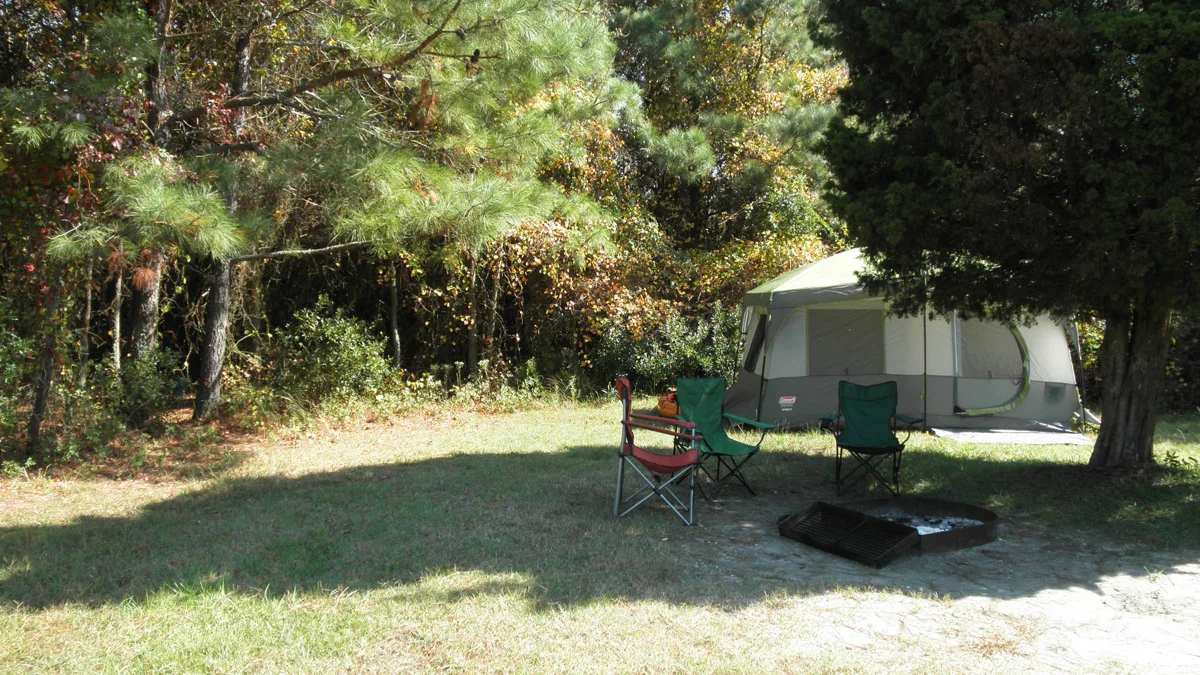
The best sleeping bag liner is not necessarily the warmest or the lightest. For a backpacker, its job may be a small removable layer inside a sleeping bag. For a traveler, the useful features may be a pillow pocket and side access. For a restless sleeper, stretch and an easy opening can matter more than saving a few grams.
That is why this guide compares six exact versions by purpose. It also includes the option of buying nothing: if your present setup is comfortable, clean and workable, a liner is another item to carry and maintain. It should solve a problem you can name.
We checked manufacturer pages on November 12, 2026. We have not personally slept in, washed or thermally tested these products. Our recommendations combine verified specifications with original buying analysis, without borrowed star ratings, invented testing scores or a claim that one liner suits every climate.
Affiliate disclosure: As an Amazon Associate, Ready & Resourceful earns from qualifying purchases. Amazon buttons open model-specific U.S. searches. Confirm the fabric, size, generation, seller and included items; a search link is not a verified offer.
Our sleeping bag liner shortlist
The products below cover distinct jobs rather than six slightly different claims to be the warmest. Read the trade-offs before ordering, especially where a retailer's title drops the fabric or size.
Our starting pick for a light, tapered liner
COCOON Silk MummyLiner
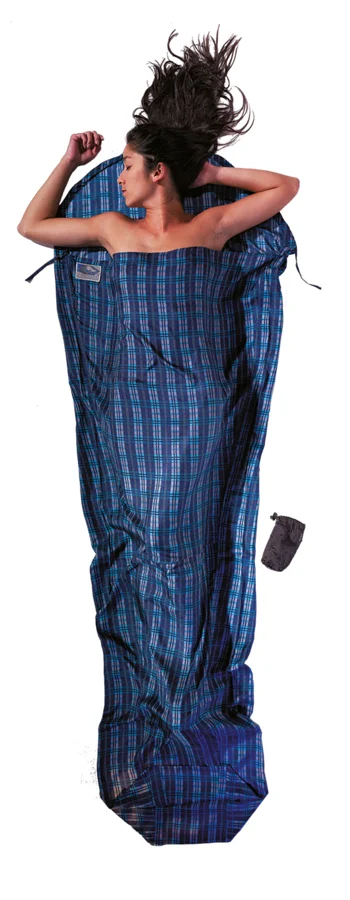
The lowest listed weight in this shortlist, with a tapered cut for a sleeping bag.
CHECK AMAZON OPTIONSOur travel pick for a rectangular personal sleep sheet
COCOON Silk TravelSheet
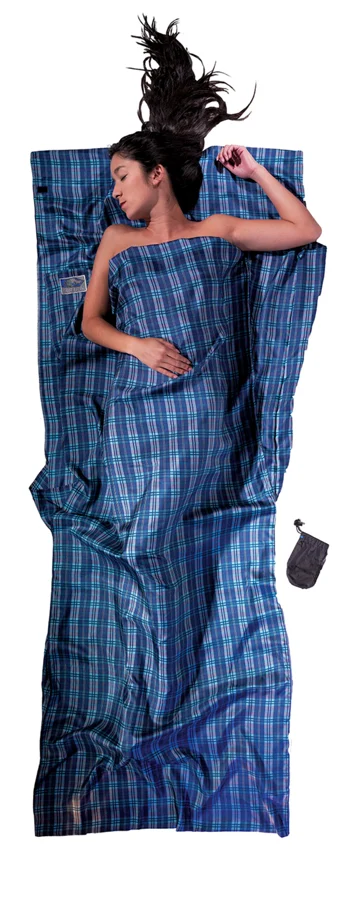
A rectangular cut, pillow pocket and side opening suit a bedding-oriented job.
CHECK AMAZON OPTIONSOur warmth-focused comparison, with clear limits
Sea to Summit Reactor Lightweight — Regular
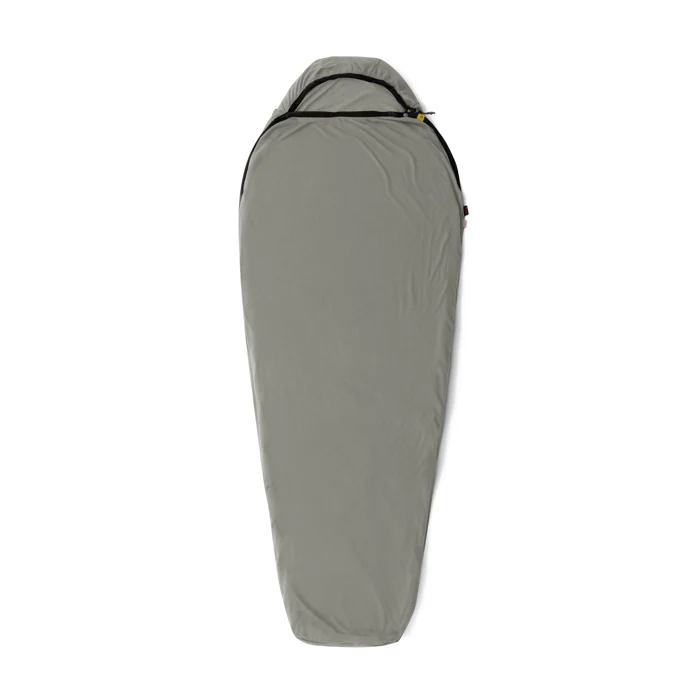
A warmth-oriented stretch-knit design for buyers who want more than a thin travel sheet.
CHECK AMAZON OPTIONSOur stretch-focused option for warm or humid trips
Sea to Summit Breeze Lightweight — Regular
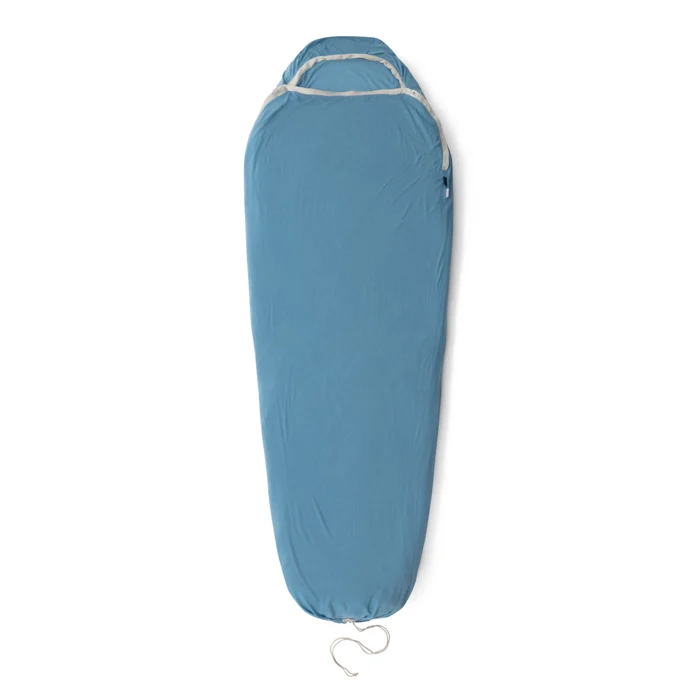
Stretch and ventilation features matter when a restrictive sheet is the problem.
CHECK AMAZON OPTIONSA light mixed-fabric alternative to pure silk
Sea to Summit Silk Blend — Mummy
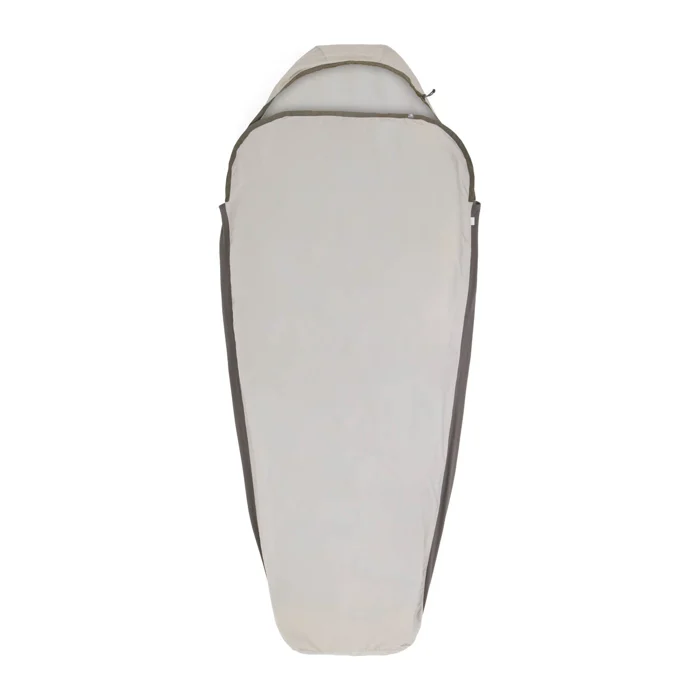
A light technical-table weight with a different panel and entry arrangement from pure silk.
CHECK AMAZON OPTIONSA cotton-feel option when carried weight is secondary
COCOON Egyptian Cotton MummyLiner
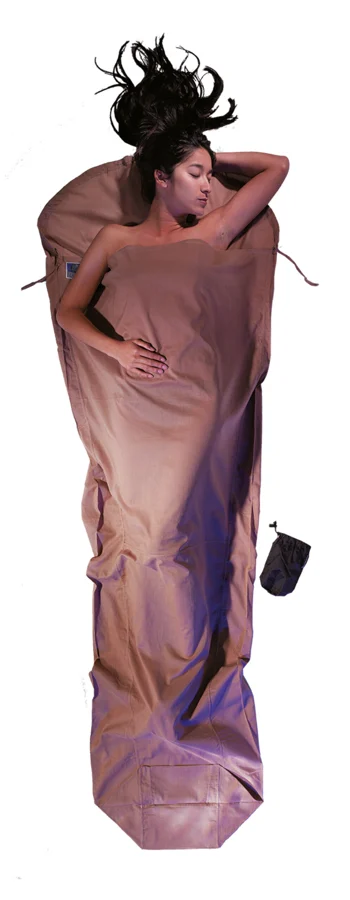
A straightforward cotton-fabric alternative for buyers prioritizing familiar bedding feel.
CHECK AMAZON OPTIONSSix sleeping bag liners and the buyers they suit
COCOON Silk MummyLiner
Our starting pick for a light, tapered liner
Why compare it
The lowest listed weight in this shortlist, with a tapered cut for a sleeping bag.
Trade-off
Woven silk is a different fit and care proposition from a stretchy knit.
Start with the Silk MummyLiner when you mainly want a compact, removable next-to-skin layer inside a mummy bag. The maker lists 135 grams, a drawstring hood and a boxed foot end. Its 241-centimeter overall length is not a claim that it fits a person that tall; the hood is part of the measurement.
The reason to compare it is the combination of low published weight and a tapered shape, not a promise that silk makes every sleeper warmer or cooler. Check room through the shoulders and feet in the position you actually sleep. A light liner you repeatedly abandon because it feels restrictive has not solved the packing problem.
We would choose it over the rectangular Silk TravelSheet when bag-shaped use matters more than a pillow pocket or side access. We would compare the stretch-knit options instead when movement is the main complaint. The five-gram difference from the Silk Blend's technical-table figure is too small to settle those larger questions.
Before ordering, verify the standard silk MummyLiner rather than the smaller Economy version or a silk-cotton blend. Read its silk-care instructions and pack it dry. COCOON publishes an added-warmth figure, but we do not turn that marketing number into a revised sleeping-bag comfort rating.
COCOON Silk TravelSheet
Our travel pick for a rectangular personal sleep sheet
Why compare it
A rectangular cut, pillow pocket and side opening suit a bedding-oriented job.
Trade-off
More listed weight than the silk mummy version; not a weatherproof sleep system.
The Silk TravelSheet is the clearer choice when the trip revolves around beds, huts or indoor accommodation rather than squeezing every item into a mummy sleeping bag. COCOON lists a 220-by-90-centimeter rectangle, a pillow pocket and a side opening with a hook-and-loop closure. Those details solve a different problem from chasing maximum thermal insulation.
It is listed at 160 grams: 25 grams more than the standard silk mummy version. That is a useful comparison within this shortlist, but not an argument that one shape is universally better. If side access and a pillow pocket make the sheet easier to use every night, the extra fabric may be a sensible trade.
Use it as a personal fabric layer, not as evidence that bedding is disinfected or protected against insects. Check the accommodation's actual linen requirements before buying. Some travelers need a particular style of sheet; others will find that the supplied bedding already meets their needs and another purchase adds little.
Choose this over the MummyLiner for the rectangular travel arrangement. Choose a mummy or stretch-knit design when the primary job is movement inside your backpacking bag. Confirm the silk material in the listing: COCOON sells TravelSheets in multiple fabrics, with different weights and care needs.
Sea to Summit Reactor Lightweight — Regular
Our warmth-focused comparison, with clear limits
Why compare it
A warmth-oriented stretch-knit design for buyers who want more than a thin travel sheet.
Trade-off
Heavier than the silk options and not a substitute for an appropriate bag and pad.
The current Reactor Lightweight is the option to compare when extra next-to-skin comfort and a warmth-oriented construction are the actual purpose of the purchase. We selected Regular, whose technical table lists 255 grams and a recommended user height of 185 centimeters. Short, Long and older Reactor products are separate comparisons.
Sea to Summit describes an added-warmth claim of up to four degrees Celsius or seven degrees Fahrenheit for this model. That is a conditional manufacturer claim. It does not establish that your particular bag, pad, clothing and shelter become suitable at a temperature seven degrees colder than before.
The stretch-knit construction and arm openings give you reasons to assess it beyond the temperature language. If you dislike a woven sleep sheet, try the movement and entry arrangement before committing. Our research does not include a skin-feel test, a drying-speed trial or an independent measurement of thermal gain.
Choose it when the complete sleep system is already appropriate and the liner's comfort role justifies the additional weight. If your forecast is colder than the sleeping bag's documented comfort range, address the bag, pad and trip plan first. A liner should not become an arithmetic shortcut around an unresolved cold-weather problem.
Sea to Summit Breeze Lightweight — Regular
Our stretch-focused option for warm or humid trips
Why compare it
Stretch and ventilation features matter when a restrictive sheet is the problem.
Trade-off
Not an active cooling device; substantially more listed weight than the lightest silk option.
Compare the Breeze Lightweight when your priority is a stretchy next-to-skin layer and an opening footbox rather than a narrow woven sheet. Regular is listed at 275 grams, with a recommended user height of 185 centimeters. Its fabric is a polyester and Tencel Lyocell blend, not silk and not a pure synthetic-fiber construction.
Sea to Summit positions this model around moisture management in warm conditions. That should not be read as air conditioning for a sleeping bag. Adjusting ventilation, clothing and the rest of the sleep arrangement still matters; no liner in this guide establishes a comfortable night regardless of weather.
The practical comparison with Reactor Lightweight is the intended job. Start with Breeze when movement and warm-night comfort dominate the brief. Compare Reactor when a warmth-focused liner is what you actually want. Their listed Regular weights differ by only 20 grams, so we would not let that difference override the fit and use question.
Buy the exact Lightweight version shown here. The manufacturer also lists past-season Breeze liners and insect-treated variants. Those names can look nearly identical in shopping results without referring to the same specification. The non-Insect Shield model assessed here is not being recommended as insect protection.
Sea to Summit Silk Blend — Mummy
A light mixed-fabric alternative to pure silk
Why compare it
A light technical-table weight with a different panel and entry arrangement from pure silk.
Trade-off
Silk Blend is not a 100% silk liner; packed and table figures differ on the source page.
The Silk Blend deserves its own comparison because the name can otherwise obscure what you are buying. The main panel contains 28 percent silk and 72 percent polyester; the side-panel blend is different. It is not the same material proposition as the pure-silk COCOON products above.
For the Mummy version, Sea to Summit's technical table lists 140 grams and dimensions of 206 by 80 centimeters. The selected page highlight gives a packed figure of 150.2 grams. We identify the table figure in our comparison and leave the separate packed highlight visible, rather than mix the two without explanation or assume every gram of difference is a stuff sack.
Choose it when you want to compare a light liner with stretch panels and shoulder openings against a traditional woven silk design. Those are useful fit questions that a fiber percentage cannot settle on its own. We have not tested whether you will find one fabric softer or less restrictive than another.
Check that the retailer's listing is the Mummy, not Compact Mummy or Rectangular with Pillow Sleeve. A low weight attached to the wrong size is not an advantage. Treat the care label for this mixed construction as its own instructions rather than importing the COCOON silk-care routine.
COCOON Egyptian Cotton MummyLiner
A cotton-feel option when carried weight is secondary
Why compare it
A straightforward cotton-fabric alternative for buyers prioritizing familiar bedding feel.
Trade-off
75 g more listed weight than the silk mummy; not our first choice for minimum pack weight.
This is the option to compare when you specifically want cotton next to your skin and are willing to carry more than the lightest silk model. COCOON lists 210 grams and a tapered shape with a drawstring hood and boxed foot end. We are not calling it the cheapest option because current retailer offers have not been normalized across the shortlist.
The useful weight comparison is concrete: its listed figure is 75 grams above the silk MummyLiner. Decide whether that matters in the context of your whole trip. For vehicle-based camping or travel, fabric preference may reasonably take priority. For a tightly controlled carried load, there should be a clear reason to choose the additional weight.
Do not confuse Egyptian cotton with COCOON's regular cotton, organic cotton, flannel or silk-cotton products. They have different specifications. A retailer title shortened to cotton liner is not enough to verify the model pictured or the figure in this table.
It is not our default pick for an exposed cold-weather backpacking plan, and we do not assign it a thermal rescue role. Follow its washing instructions and ensure you can dry it before storage or reuse. A liner chosen mainly for familiar fabric feel should still fit the intended sleeping bag without pulling tight or making entry awkward.
Who should skip each option?
These exclusions apply our selection priorities—purpose, shape, listed weight and the limits of warmth claims—to the buying decision. They are editorial judgments from the documentation discussed in this guide, not defects established in R&R field tests.
| Product | Reconsider it when… |
|---|---|
| COCOON Silk MummyLiner | You want rectangular travel bedding or know that a mummy shape restricts your movement. Check usable fit rather than buying silk solely for its material label. |
| COCOON Silk TravelSheet | Your priority is a closely fitted layer inside a mummy sleeping bag. A travel-sheet shape solves a different bedding problem. |
| Sea to Summit Reactor Lightweight — Regular | You need a quantified, independently verified temperature upgrade to an inadequate sleeping bag. We have not measured an added warmth value. |
| Sea to Summit Breeze Lightweight — Regular | Your main goal is buying insulation for colder conditions. Do not infer cold-weather protection from a comfort-oriented liner. |
| Sea to Summit Silk Blend — Mummy | You require a pure-silk liner or rectangular bedding. Check the exact blend and shape rather than treating every silk-named product as equivalent. |
| COCOON Egyptian Cotton MummyLiner | Minimum carried weight is your deciding requirement. Compare the complete listed weight and care routine with the lighter candidates before accepting cotton for the trip. |
What our evidence establishes—and what it does not
Research-based comparison; no firsthand testing of this shortlist. Linked manufacturer documentation supports the named specifications and stated capabilities. Our selection method translates that documentation into use cases and exclusions. Calculators and worked examples demonstrate arithmetic, not measured product performance.
We have not independently established comfort, durability or performance under your trip conditions. Manufacturer test claims remain attributed claims; they are not our results. Product photographs identify equipment. Lifestyle footage, diagrams and any AI illustrations explain context and cannot demonstrate testing, ownership or endorsement. We do not award a tested-winner badge or numerical performance score without a documented test method and actual results.
Before buying, follow the model-specific checks in the reviews below and retain the option to choose none of these products if your requirements are not met. See our editorial standards and corrections process.
Sleeping bag liner comparison
These are manufacturer-published figures for the exact versions named. Sea to Summit's values come from its technical tables; selected-page packed highlights can be higher. COCOON's pages list weight without an equivalent packed-weight breakdown. The table is a shopping reference, not a controlled weigh-in of identical packed configurations.
| Exact model / version | Material | Published weight | Dimensions and height context | Best-fit job |
|---|---|---|---|---|
| COCOON Silk MummyLiner | Silk | 135 g | 241 × 90/56 cm; overall length includes the hood | Our starting pick for a light, tapered liner |
| COCOON Silk TravelSheet | Silk | 160 g | 220 × 90 cm | Our travel pick for a rectangular personal sleep sheet |
| Sea to Summit Reactor Lightweight — Regular | 100% post-consumer recycled polyester liner; polyester stuff sack | 255 g | 193 × 80 cm; recommended user height 185 cm | Our warmth-focused comparison, with clear limits |
| Sea to Summit Breeze Lightweight — Regular | 70% polyester / 30% Tencel Lyocell | 275 g | 205 × 80 cm; recommended user height 185 cm | Our stretch-focused option for warm or humid trips |
| Sea to Summit Silk Blend — Mummy | Main panel: 72% polyester / 28% silk; side panel: nylon / elastane | 140 g | 206 × 80 cm; recommended user height 198 cm | A light mixed-fabric alternative to pure silk |
| COCOON Egyptian Cotton MummyLiner | Egyptian cotton | 210 g | 241 × 90/56 cm; overall length includes the hood | A cotton-feel option when carried weight is secondary |
Silk versus synthetic sleeping bag liners
Start with composition rather than the headline material name. A pure-silk liner, a polyester liner and a polyester-silk blend are different products. Tencel Lyocell is a regenerated cellulose fiber, so the Breeze is a blend, not simply a pure-synthetic alternative. None of those labels tells you whether the opening is easy to use or whether the cut suits your sleeping position.
The more useful comparison is between complete designs. Woven silk and stretch knit can behave differently when you turn over, but we have not measured stretch or comfort across these six models. Check the actual construction and try the fit under the seller's permitted return conditions. Do not turn a general material preference into a personal-fit guarantee.
| Construction in this shortlist | Useful comparison | Question before purchase |
|---|---|---|
| Pure silk: COCOON MummyLiner / TravelSheet | Light published figures; choose tapered or rectangular cut | Do the opening, room and care routine suit you? |
| Polyester: Reactor Lightweight | Warmth-focused stretch-knit design | Is your underlying sleep setup already appropriate? |
| Polyester / Lyocell: Breeze Lightweight | Stretch and ventilation-oriented design | Are movement and warm-night comfort the real brief? |
| Polyester / silk plus stretch panels: Silk Blend | A mixed-fabric alternative, not pure silk | Are you buying the exact Mummy size? |
| Egyptian cotton: COCOON MummyLiner | Cotton-feel option with a higher listed weight than silk mummy | Does the fabric preference justify the additional load? |
In this shortlist, the silk MummyLiner has a lower published weight than the Reactor and Breeze Regular models. That is a comparison of these products, not proof that every silk liner is lighter than every synthetic liner. Size, cut, fabric construction and what the published weight includes all affect the purchase.

Does a sleeping bag liner add warmth?
A liner can add an extra layer, but an advertised “adds up to” number is not a portable temperature rating. Sea to Summit's explanation says there is no internationally recognized laboratory test for liner thermal performance and identifies the bag, pad and conditions as important variables.
Some current product pages still publish conditional warmth figures. COCOON also publishes material-based added-temperature claims. We retain the distinction: these are manufacturer claims, not independently verified degrees you can subtract from a sleeping bag's comfort temperature. We do not rank the liners by those figures or convert them into a safety calculation.
If you are buying a sleeping bag liner for warmth, first describe the problem. Is the bag unsuitable for the expected conditions? Is the pad appropriate? Is the bag damp or poorly fitted? Or is the setup already suitable and you simply want another next-to-skin layer? Those are different decisions, and only the last is a straightforward comfort-accessory purchase.
Our cold-weather sleeping bag guide separates comfort, limit and survival figures. A liner does not erase those distinctions. If the forecast sits outside your documented setup and experience, change the equipment or the plan rather than rely on a liner's marketing number to close the gap.

How much listed weight separates your two choices?
This tool subtracts the published figures in our table. It does not compare thermal performance or establish the exact packed load. Review the stated weight scope above and weigh your complete kit if a small difference matters.
Compare two listed weights
Example: 255 g minus 135 g is 120 g. That is an arithmetic difference, not a warmth-per-gram score.
A 120-gram difference can be worth considering on a carried trip, but it should not answer a different question. If you want the Reactor's particular fit and comfort role, comparing only its grams with a thin silk liner strips the reason for buying it out of the decision. If you want a simple removable layer, carrying a heavier model without a clear benefit may be unnecessary.
How to choose a liner you will actually use
1. Write a one-sentence buying brief
Try “I want a small washable layer inside my mummy bag,” “I need a personal sheet for booked accommodation,” or “I want a less restrictive next-to-skin layer.” A specific brief makes it easier to decline the wrong accessory. “Something for survival” does not identify a fabric, shape or opening requirement.
Check whether the liner duplicates clothing or bedding you already intend to carry. Duplication can be reasonable, but it should be deliberate. A familiar sleep surface may be worth its place on a travel trip even when it would not be your first choice for a weight-focused hike.
2. Separate overall dimensions from recommended user height
A liner's length can include a hood or pillow section. It is not automatically the maximum sleeper height. We show recommended user height where the checked manufacturer table supplies it, and label overall dimensions where that is all the page provides.
Width also needs context. A tapered foot end, a rectangular sheet and a stretch-knit liner are different arrangements even if a width number looks similar. Ask where the width is measured and whether the fabric is intended to stretch. A flat measurement cannot establish shoulder room for every body.
3. Rehearse entry, turning and exit
If the seller permits a clean indoor fitting, try the liner inside the bag or bedding arrangement you intend to use. Sit up, turn into your normal position and check whether the openings remain easy to find. Do not wait until a dark campsite to discover that the entry design annoys you.
A liner can make a bag feel more restrictive even when both products fit independently. Look for fabric pulled tight across your feet or shoulders. The practical outcome may be a different cut, a stretch design or no liner. The point is a usable sleep arrangement, not completing a shopping list.
4. Decide whether a pillow pocket or side opening earns its space
A rectangular travel sheet with a pillow pocket can make sense on a bed or hut bunk. The same feature may matter less inside a mummy bag. Consider where your pillow will sit and how you want the top opening arranged before selecting the lighter-looking product.
Do not assume every liner has a full side zipper. Product photographs often emphasize the fabric rather than entry. Read the exact closure description. The TravelSheet's side opening, a drawstring hood and a shoulder-opening knit design should not be treated as interchangeable.
5. Check accommodation rules directly
A liner may be useful for travel, but the property decides what bedding it requires or supplies. Read the booking information and ask the operator where necessary. This guide does not establish a universal hut or hostel rule, and owning a liner does not automatically satisfy a particular property's requirements.
Keep separate questions separate. A personal fabric layer does not certify cleanliness, disinfect a mattress or establish protection against bed bugs. We are not recommending the ordinary, untreated models here as insect-control products.
6. Match care instructions to the exact construction
Use the label and manufacturer's current instructions for the model you buy. Pure silk, polyester-silk panels and cotton should not inherit one universal washing or drying routine. A care method that works for one liner can be inappropriate for another.
Plan when the liner will be washed and dried, especially on consecutive travel days. Keep a used item separate from clean clothing if needed and store it dry. Odor-control marketing is not permission to skip cleaning or to pack damp fabric indefinitely. Our camping gear storage guide can help keep care tasks visible between trips.
7. Compare the complete purchase, not a tempting title
Check model, generation, size, material, included sack, return terms and delivered price. This matters particularly for the current Reactor Lightweight versus older Reactor names, and for COCOON products sold in several fabrics. A generic listing can lead to the right brand and the wrong item.
We do not publish a lowest-price winner from changing search results. Once a model suits the job, compare current offers for that exact version. A cheap liner with the wrong cut or care needs is not good value just because it was discounted.
Three buying decisions worked through
A backpacker wants to keep the sleeping bag's inner surface cleaner
Start with the silk MummyLiner and the Silk Blend Mummy. Check the actual fit and care routine rather than treat their five-gram technical-table difference as decisive. If either feels restrictive, compare Breeze's stretch arrangement. The liner is earning its place as a removable layer, not as a new cold-weather rating.
A traveler wants personal bedding for accommodation
Confirm what the property requires, then compare the Silk TravelSheet's rectangular shape, pillow pocket and side access with a mummy design. In this use case, a few extra grams may buy features you use every night. If you prefer cotton and accept the different cut, the Egyptian Cotton MummyLiner is another fabric option, not a like-for-like rectangular substitute.
A camper feels cold in an unsuitable sleep setup
Do not start by adding the largest advertised warmth figure. Review the bag, pad, shelter, conditions and fit. A liner can be considered after the underlying setup is appropriate. It is not an evidence-based way to convert an unsuitable sleeping bag into a colder-rated one.
Watch the fabric-and-purpose comparison
This original short edit uses moving camping footage, animated comparison graphics and an audible original instrumental soundtrack. It explains the buying decisions; the campers are not shown testing or endorsing these liners.
Read the video transcript
Choose the job: a backpacking layer, travel bedding or extra comfort. Silk is not silk blend. Compare cut, openings and the named size. Warmth claims are conditional: do not subtract an advertised gain from your bag’s comfort rating. Fit, access and care come first; then compare the weight. Skip what you do not need.
Camping footage: tent setup and camp rest scene, under the Pexels license.
Sleeping bag liner questions answered
What is the best sleeping bag liner?
Our starting pick for a light tapered layer is the COCOON Silk MummyLiner. For rectangular travel bedding, start with its Silk TravelSheet. Compare Reactor Lightweight for a warmth-focused comfort accessory and Breeze Lightweight for stretch and ventilation. The best choice changes with the job.
Is silk better than a synthetic sleeping bag liner?
Not for every use. Compare the exact weight, cut, composition, openings and care requirements. The pure-silk choices here are light; the knit alternatives offer different movement and ventilation arrangements. A material name alone does not settle comfort or thermal performance.
How many degrees does a sleeping bag liner add?
There is no universally transferable figure. Treat advertised gains as conditional manufacturer claims, not degrees to subtract from your bag's comfort rating. The complete setup and conditions matter.
Can I use just a sleeping bag liner?
Only where a sheet-like layer is actually appropriate to the conditions and setting. We do not assign these liners standalone temperature ratings. They are not substitutes for weather protection or an adequately insulated sleep system.
Do I need a liner for backpacking?
No. It should justify its weight through a useful function, such as a removable next-to-skin layer or a preferred sleeping feel. If it duplicates equipment without solving a problem, leaving it out can be a sensible choice.
Should I buy the same brand as my sleeping bag?
Brand matching is less useful than checking fit, dimensions and the actual attachment or opening arrangement. Do not assume compatibility from a logo. Confirm any model-specific connections, and try the combination where return conditions permit.
Are travel sheets and mummy liners the same?
Both can serve as personal fabric layers, but the shapes and access arrangements differ. In this guide, the TravelSheet is rectangular with a pillow pocket and side opening; the MummyLiners taper toward the feet. Select around the actual bedding arrangement.
How we researched and selected these liners
This is a focused shortlist of six versions from two manufacturers whose current material and size information we could verify. It is not a claim that only these brands are worthwhile. We chose a range of purposes and constructions rather than fill the table with unverified marketplace brands or copy another reviewer's ranking.
Specifications were checked on November 12, 2026. Recommendations are research-based. We did not run comparative drying tests, measure thermal gains, validate durability or claim personal nights of use. Published weights retain their stated scope; thermal claims do not become an independent performance score.
- COCOON Silk MummyLiner — exact-version specification and image source
- COCOON Silk TravelSheet — exact-version specification and image source
- Sea to Summit Reactor Lightweight — Regular — exact-version specification and image source
- Sea to Summit Breeze Lightweight — Regular — exact-version specification and image source
- Sea to Summit Silk Blend — Mummy — exact-version specification and image source
- COCOON Egyptian Cotton MummyLiner — exact-version specification and image source
- Sea to Summit — limitations of liner warmth claims
- Sea to Summit — choosing and caring for liners
Actual product photographs identify the models and come from the linked manufacturer pages; separate reuse permissions remain unverified. The header photograph is explicitly public domain. Video clips use the Pexels license. Diagrams, comparison analysis and instrumental music are original to this guide. Read our editorial standards or report an exact-model correction.