GEAR REVIEW / BACKPACKING WATER TREATMENT
Best Backpacking Water Filters for Solo Hikes and Small Groups
THE BUYING DECISION IN ONE MINUTE
Buy for the refill routine you will actually use.
Solo refills: start with the Sawyer Squeeze or the defined QuickDraw 1L kit. Individual soft-flask use: compare BeFree AC. Shared camp water: compare GravityWorks 4L and Peak Gravity 3L. Documented virus removal: the Guardian is a separate purifier category.
Our priorities
- Treatment capability before speed
- Complete carried setup, not cartridge weight alone
- Clean storage, maintenance and a backup method
Know before buying
- Clear-looking water is not proof of safety
- Squeeze and gravity describe delivery, not protection
- This is a researched comparison, not a field-test report
The best backpacking water filter is the one that fits both your water hazards and your collection routine. A tiny cartridge can be an awkward group system. A large gravity bag can be unnecessary on a short solo walk. Neither becomes suitable simply because a product description says “survival.”
This guide separates the questions that often get tangled together: what the device treats, how you move water through it, how much you can collect and how you keep the treated water clean. The result is a shortlist by job, rather than a universal ranking that treats every trip as identical.
We checked manufacturer specifications on November 12, 2026. The practical assessments below are our analysis of those documented designs; we have not personally timed, weighed or field-tested these six systems. There are no borrowed testing scores or invented durability results.
Affiliate disclosure: As an Amazon Associate, Ready & Resourceful earns from qualifying purchases. Amazon buttons open model-specific U.S. searches; verify the exact version, included parts, seller and current price. A search link is not a verified offer.
Our backpacking water filter shortlist
Choose the job first, then read the full trade-offs. Every shopping card includes an actual product photograph; the comparison diagrams later in the guide explain decisions rather than stand in for the products.
Our starting pick for a flexible solo setup
Sawyer Squeeze
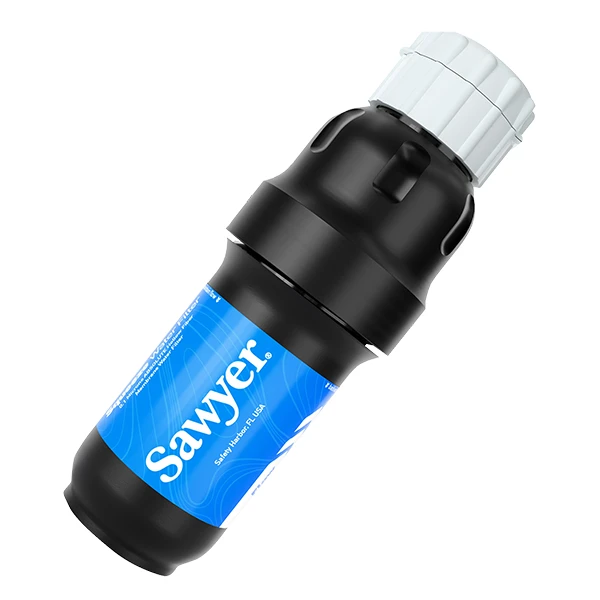
A modular choice when you want to choose your own collection and drinking containers.
CHECK AMAZON OPTIONSBest fit for buyers who want a defined solo kit
Platypus QuickDraw 1L Filter System
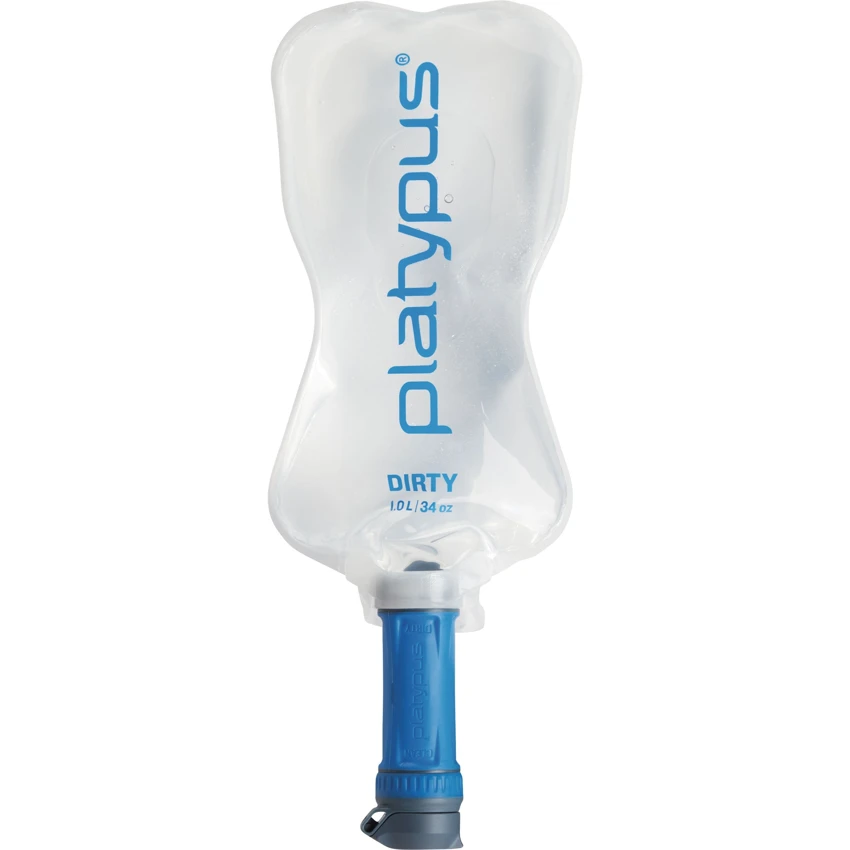
A specified collection reservoir and multiple clean-side arrangements simplify the shopping list.
CHECK AMAZON OPTIONSTaste-focused soft-flask option for individual use
Katadyn BeFree AC 1.0L Black
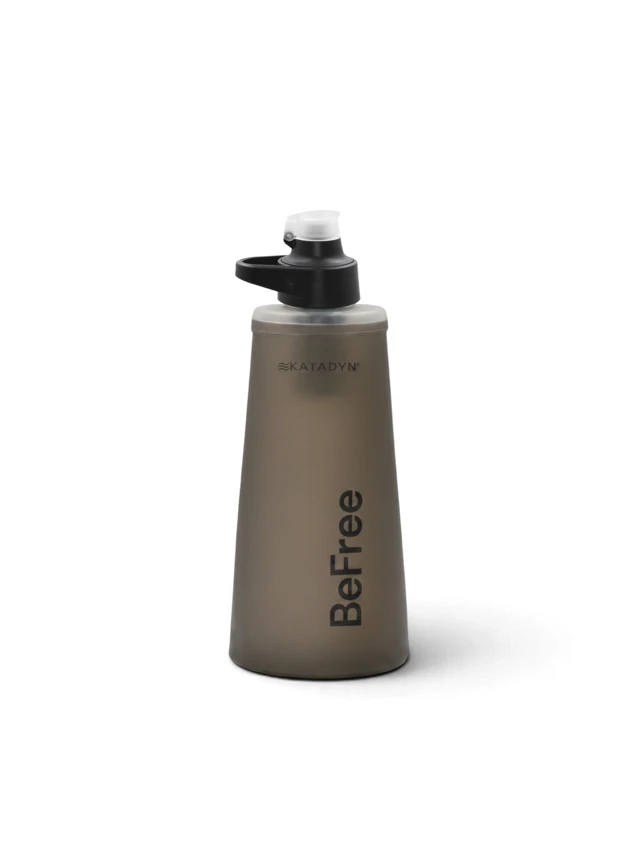
A one-liter soft flask with a replaceable taste-treatment stage.
CHECK AMAZON OPTIONSOur group-camp pick when clean storage matters
Platypus GravityWorks 4.0L
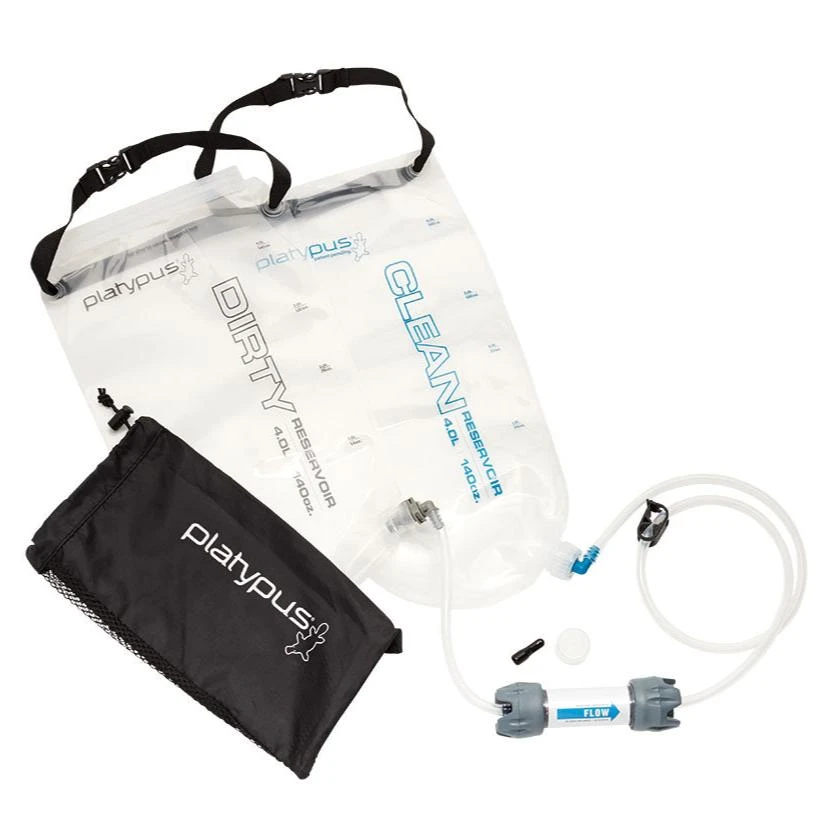
Separate collection and clean reservoirs support batch work at camp.
CHECK AMAZON OPTIONSSmaller gravity alternative for pairs and compact camps
LifeStraw Peak Series Gravity 3L
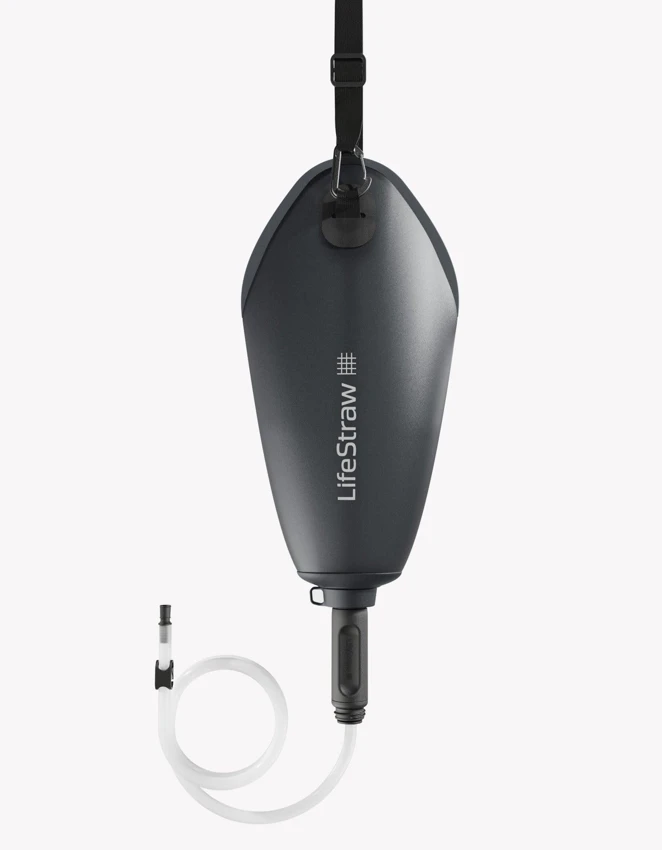
A smaller batch size and lighter published kit than the two-reservoir GravityWorks 4L.
CHECK AMAZON OPTIONSSpecialist pump option when documented virus removal is required
MSR Guardian Purifier
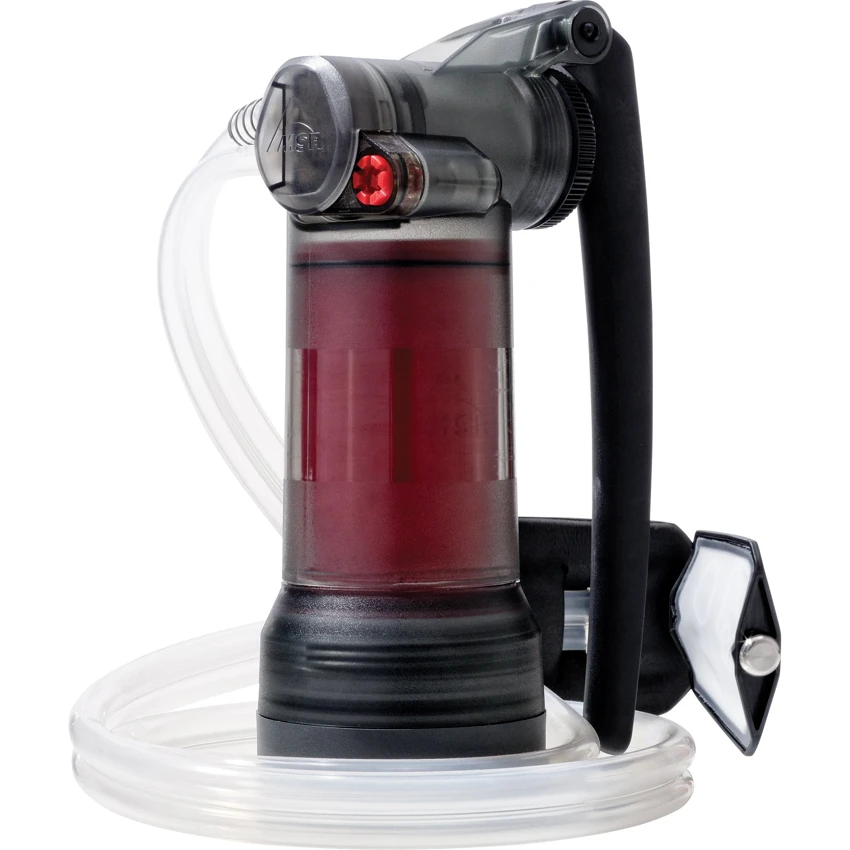
A different treatment category from the five ordinary microfilters above.
CHECK AMAZON OPTIONSA hiking water filter is not automatically a purifier
Squeeze, gravity and pump describe how water moves. They do not establish which microorganisms a device removes. Five options here are microfilters; the Guardian pump is a purifier with a documented virus-removal claim. The distinction matters more than choosing the fastest-looking delivery method.
CDC guidance recommends boiling to kill germs, or filtering followed by disinfection when boiling is not possible. Clear water can still contain pathogens. Ordinary microfiltration should not be assumed to remove viruses, and neither boiling nor disinfection makes chemically contaminated water safe. Use a different source where harmful chemicals or toxins are a concern.
That does not make a small filter pointless. It means the filter is one part of a treatment plan. Match the exact device and any follow-on process to the source, current local advice and product instructions. Our water filter versus purifier explainer covers the broader treatment distinction.
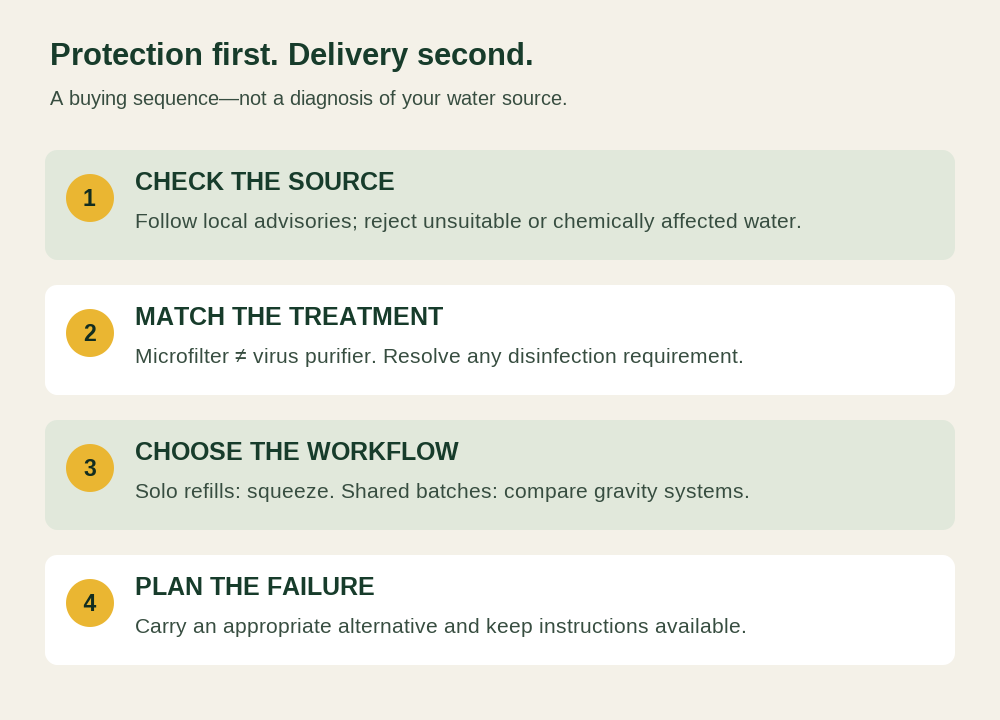
Six backpacking water treatment options and their trade-offs
Sawyer Squeeze
Our starting pick for a flexible solo setup
Why compare it
A modular choice when you want to choose your own collection and drinking containers.
Trade-off
The light filter-only weight is not the weight of a complete system.
Start here if your priority is a small personal filter that can move between a pouch and compatible 28 mm threaded bottles. The useful buying question is not whether the filter fits in a pocket. It is whether the complete arrangement lets you collect, treat and carry enough water between reliable sources.
The modular approach makes sense for a solo hiker who wants to replace a damaged container without replacing every part. It also leaves more decisions to you: dirty-water capacity, clean-water storage and the cleaning equipment all need to be in the packing plan. Do not order a bare filter and assume the photograph includes every accessory you need.
Our recommendation is based on that flexible architecture, not a measured speed advantage. Sawyer lists the filter at about three ounces, while the checked kit page also shows a heavier retail weight. We keep those scopes separate rather than select whichever number makes a comparison chart look better. The Squeeze is not the smaller MINI or Micro Squeeze.
Before buying, assemble the exact kit on paper: filter, dirty container, clean container, caps and maintenance items. Check the bottle connection before leaving home, keep the clean outlet protected and learn the manufacturer's backwashing procedure. If your source plan requires viral protection, add the appropriate treatment process or choose a documented purifier instead.
Platypus QuickDraw 1L Filter System
Best fit for buyers who want a defined solo kit
Why compare it
A specified collection reservoir and multiple clean-side arrangements simplify the shopping list.
Trade-off
The quoted flow rate is not a timed result from our testing.
The QuickDraw 1L makes the most sense when you would rather start with a defined filter-and-reservoir system than build one from unrelated parts. Its included dirty reservoir gives the shopping decision a clear boundary. You can still change the arrangement later, but there is a recognizable starting kit.
Platypus documents both shake-cleaning and backflushing, plus an integrity-check procedure. That is a useful distinction for a buyer prepared to learn the instructions. It does not mean a casual glance at the cartridge establishes that it is undamaged. Save the actual procedure offline and understand what its result means before relying on it outdoors.
The current specification lists 95 grams for the system, not just the cartridge. That makes it inappropriate to place beside a filter-only weight and declare a winner. Likewise, the published three-liter-per-minute figure describes the maker's performance claim. Source water, cleaning state, handling and how you collect and store water still determine the practical stop.
Choose this over the Squeeze when the documented kit and connection options appeal more than maximum freedom to assemble your own. Choose a larger collection arrangement or a separate camp system when repeated one-liter batches would be awkward. Confirm that the listing is the 1L system, SKU 13903, rather than a cartridge, 2L kit or gravity version.
Katadyn BeFree AC 1.0L Black
Taste-focused soft-flask option for individual use
Why compare it
A one-liter soft flask with a replaceable taste-treatment stage.
Trade-off
Carbon replacement and membrane life are separate maintenance decisions.
Compare the BeFree AC if the appeal is a compact soft-flask arrangement with a taste-improvement stage. That is a different reason to buy from wanting the broadest pathogen treatment. The activated-carbon component does not turn this microfilter into a universal chemical-removal device.
The black 1.0L version checked here is item 8021403. Katadyn publishes an 85-gram weight and an output of up to two liters per minute. Its hollow-fiber membrane and carbon have different stated capacities: up to 1,000 liters and 200 liters respectively, depending on water quality. Track the two components separately; a taste change is not a laboratory assessment of water safety.
This is a sensible format to compare for individual refill stops, especially when you prefer an integrated flask over a separate dirty bag and receiving bottle. The trade-off is that an individual flask is not automatically the most convenient way to prepare several liters for a camp meal. Count the refills you would actually perform, not just the number printed on the front.
Do not confuse the AC model with an older non-carbon BeFree or assume a bottle from another brand fits. Check the intended opening and the approved compatibility information for the exact version. The European manufacturer page was our specification source; local stock, package contents and retailer names may differ. Inspect the specific listing before ordering.
Platypus GravityWorks 4.0L
Our group-camp pick when clean storage matters
Why compare it
Separate collection and clean reservoirs support batch work at camp.
Trade-off
More components, carrying volume and setup than a basic solo squeeze arrangement.
The GravityWorks 4L is our starting group recommendation when the task includes collecting water, treating a batch and keeping a separate clean supply ready. Its advantage is the workflow. One person can set up a treatment station while others work on shelter or food, provided someone remains responsible for the process.
The two reservoirs each hold four liters. That is eight liters of combined container capacity, not a claim that a single four-liter dirty fill becomes eight liters of treated water. Keeping that distinction visible is more useful than a large capacity badge. A group still needs a plan for refilling, clean storage and any additional disinfection.
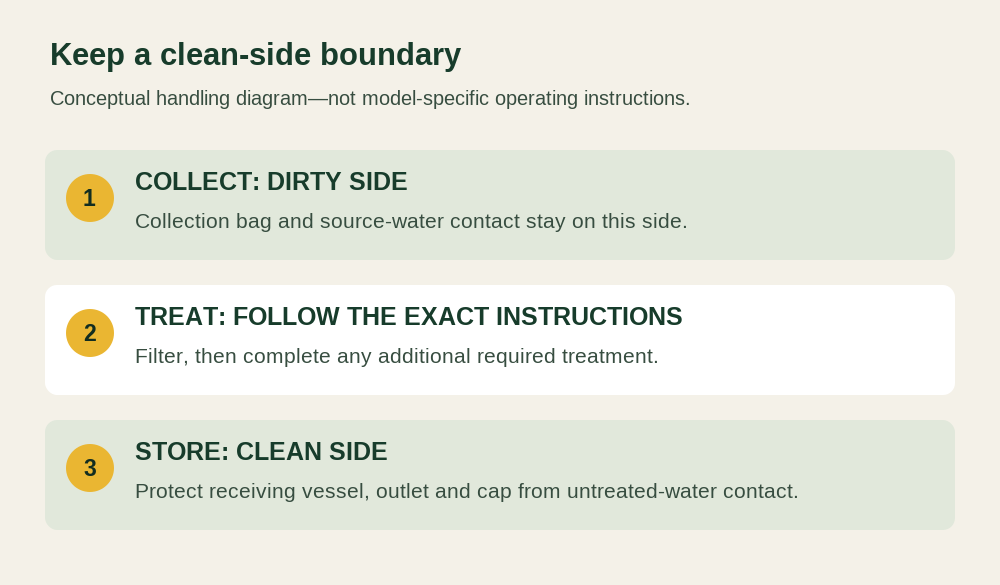
Platypus lists 326 grams for the 4L system and a flow of up to 1.75 liters per minute. The 6L version is a separate size, with a different listed weight. Our comparison does not mix the larger reservoir photograph with the smaller system's numbers. Both the outlet and the designated clean reservoir need protection from untreated water during packing and handling.
Choose it when camp-batch convenience is worth carrying the extra pieces. Skip it when most refills happen during short solo trail stops and there is no useful batch task to solve. Before purchase, think through where it will hang, where the receiving reservoir will sit and how the hose and clean components will be kept separate after use.
LifeStraw Peak Series Gravity 3L
Smaller gravity alternative for pairs and compact camps
Why compare it
A smaller batch size and lighter published kit than the two-reservoir GravityWorks 4L.
Trade-off
Receiving-container needs must be included before comparing complete carried weight.
The Peak Gravity 3L is worth comparing when a three-liter batch is enough for the job and you already have a suitable way to receive and store treated water. It occupies the middle ground between repeated one-liter squeezes and a larger two-reservoir camp station.
LifeStraw lists an 8.1-ounce, 228-gram system with a 0.2-micron membrane and a stated service life of up to 2,000 liters. The checked package includes the bag, hose, connector and backwashing accessory. We do not convert those claims into guaranteed years of use or a laboratory finding that every field source is suitable.
The smaller listed system weight is meaningful only after you include your clean container and required accessories. If you need to buy an additional reservoir to reproduce the GravityWorks workflow, compare that assembled arrangement. If your existing bottles already solve the receiving task, carrying another clean bag may be unnecessary.
Be especially careful with the word Peak. LifeStraw sells several products under that family name, including different filters and purifiers. This recommendation concerns the 3L gravity microfilter system pictured here. A retailer's broad title is not enough to establish that a different Peak device has the same protection or connections.
MSR Guardian Purifier
Specialist pump option when documented virus removal is required
Why compare it
A different treatment category from the five ordinary microfilters above.
Trade-off
Substantially heavier and a more involved purchase than a solo squeeze filter.
The Guardian belongs in this guide as a separate treatment-category choice, not as the automatic upgrade for everyone. MSR documents virus removal for this pump purifier. That is a material difference from a standard squeeze or gravity microfilter and can be more important than a few ounces when the trip's water assessment requires it.
The current manufacturer page lists 490 grams, a 0.02-micron medium, 2.5 liters per minute and a stated cartridge life exceeding 10,000 liters under suitable conditions. Those are published specifications, not our measured results. The same page explicitly says it is not effective against chemicals or toxins. The word purifier does not mean desalination or protection against every contaminant.
The purchase makes sense only when the additional treatment capability solves a real requirement and you accept the pump, maintenance and carrying implications. For a straightforward solo trip, a properly planned filter-and-disinfection process may be a more appropriate comparison. Assess the complete method rather than assume the most complicated device is the safest choice in every circumstance.
Check that the listing is the Guardian pump purifier, not the separate Guardian Gravity product. Practice assembly and clean-side handling before departure, carry the instructions and understand the manufacturer's inspection and service requirements. A documented treatment claim still depends on correct operation, a suitable source and an undamaged device.
Who should skip each option?
These exclusions apply our selection priorities—documented treatment capability, collection routine and complete system requirements—to the buying decision. They are editorial judgments from the documentation discussed in this guide, not defects established in R&R field tests.
| Product | Reconsider it when… |
|---|---|
| Sawyer Squeeze | The water assessment requires documented virus removal or treatment of chemical contamination. A modular microfilter is not a universal purifier. |
| Platypus QuickDraw 1L Filter System | You need documented virus removal or want a ready shared camp-water station rather than repeated small refills. A solo kit is not automatically the right group workflow. |
| Katadyn BeFree AC 1.0L Black | You expect the carbon stage to establish comprehensive chemical removal or virus protection. Taste treatment is not proof of either capability. |
| Platypus GravityWorks 4.0L | You mainly refill alone during short trail stops and have no useful batch-storage task. Extra reservoirs and setup may solve a problem you do not have. |
| LifeStraw Peak Series Gravity 3L | You need the purchase to include your entire clean-water storage arrangement. Account for receiving-container requirements before comparing weight or cost. |
| MSR Guardian Purifier | Your assessed route needs only microfiltration and the additional weight and purchase burden bring no identified benefit. Its treatment category does not make every source suitable. |
What our evidence establishes—and what it does not
Research-based comparison; no firsthand testing of this shortlist. Linked manufacturer documentation supports the named specifications and stated capabilities. Our selection method translates that documentation into use cases and exclusions. Calculators and worked examples demonstrate arithmetic, not measured product performance.
We have not independently established comfort, durability or performance under your trip conditions. Manufacturer test claims remain attributed claims; they are not our results. Product photographs identify equipment. Lifestyle footage, diagrams and any AI illustrations explain context and cannot demonstrate testing, ownership or endorsement. We do not award a tested-winner badge or numerical performance score without a documented test method and actual results.
Before buying, follow the model-specific checks in the reviews below and retain the option to choose none of these products if your requirements are not met. See our editorial standards and corrections process.
Side-by-side comparison
The weights below retain the manufacturers' stated scope. They are not a controlled weigh-in of equivalent complete kits. Published flow rates are claims under the manufacturers' conditions, not our measured trail performance. Do not use this table to infer that the highest number means the best water treatment.
| Model | Weight and scope | Collection / storage | Published flow | Protection boundary |
|---|---|---|---|---|
| Sawyer Squeeze | 3 oz filter only; add containers and cleaning kit | Depends on the selected pouch or bottle | No single comparable figure used | 0.1-micron absolute microfilter; bacteria and protozoa claims; no virus protection |
| Platypus QuickDraw 1L Filter System | 3.3 oz / 95 g published system weight | 1L dirty reservoir | 3 L/min manufacturer claim | 0.2-micron microfilter; bacteria and protozoa; not viruses or chemicals/toxins |
| Katadyn BeFree AC 1.0L Black | 85 g published product weight | 1L flask | Up to 2 L/min manufacturer claim | Microfilter for bacteria and protozoa, with separate activated carbon for taste; not a virus purifier |
| Platypus GravityWorks 4.0L | 11.5 oz / 326 g published system weight | 4L dirty + 4L clean reservoirs; not 8L treated in one fill | Up to 1.75 L/min manufacturer claim | 0.2-micron microfilter; bacteria and protozoa; not viruses or chemicals/toxins |
| LifeStraw Peak Series Gravity 3L | 8.1 oz / 228 g published system weight | 3L gravity bag; plan your receiving container | 1.7 L/min manufacturer claim | 0.2-micron membrane microfilter; bacteria and parasites; no virus-removal claim used here |
| MSR Guardian Purifier | 490 g published unit weight | Pump-fed; separate clean container required | 2.5 L/min manufacturer claim | 0.02-micron purifier; bacteria, protozoa and viruses; not chemicals/toxins |
Gravity versus squeeze filters for solo hikers and small groups
A squeeze system concentrates the work into a short refill stop: collect water, connect the filter, apply pressure or drink through the approved arrangement, and pack it away. A gravity system shifts more of the work into setup: collect a batch, hang the bag, arrange the hose and receiving vessel, then monitor the process.
The useful distinction is hands-on work, not “fast” against “slow.” A group may prefer a gravity system even if a squeeze filter has a higher advertised flow. Several people can have separate camp tasks while one person manages the water station. A solo hiker may prefer a squeeze kit even if a gravity bag can hold more, because a large batch would not solve an immediate need.
| Decision | Squeeze arrangement | Gravity arrangement |
|---|---|---|
| Typical task | Individual refills during travel | Shared batches at camp |
| Hands-on work | Collect, connect and apply pressure as directed | Fill, hang, arrange outlet and monitor |
| Storage question | Which bottle holds treated water? | Is a clean reservoir included or separate? |
| Best reason to choose | Small, frequently deployed personal setup | Batch workflow that suits a shared camp |
| Does format prove virus protection? | No | No |
For two hikers who separate during the day, a shared camp filter creates another question: what does each person carry when apart? The lowest combined equipment weight is not automatically the most workable arrangement. A personal treatment option or an agreed backup plan may matter more than eliminating a duplicate cartridge.
A gravity system also needs somewhere suitable to operate. Think about the terrain and collection point without damaging vegetation or creating a trip hazard with the hose. A hanging bag is not hands-free in the sense of being someone else's responsibility. Someone still checks the connections, manages the clean outlet and notices when the receiving bottle is full.
How many collection fills does your camp task require?
This is a workload planner, not a hydration prescription. Enter the total water volume you have already planned for a particular task and the usable volume of your dirty-water container. The result counts collection fills. It does not calculate drinking needs, treatment effectiveness, contact time or available source water.
Compare the batch routine
Example: a 6L task requires six 1L fills, two 3L fills or two 4L fills. The last fill may be partial.
For a six-liter cooking-and-refill task you have independently planned, a one-liter container means six collection fills. A three-liter bag means two. A four-liter bag also means two, with a partial final fill. The larger bag may still offer storage convenience, but it does not eliminate another collection cycle in this example. This is why a capacity comparison can reveal more than the product's headline flow rate.
Do not treat nominal capacity as guaranteed usable capacity in every position. Follow the bag's filling and hanging instructions. Your task may also need separate containers while treatment is underway. A filter without storage is not a substitute for carried water across an unreliable stretch of trail.
How to choose a backpacking water treatment setup
1. Map water access before comparing equipment
Write down where you expect to refill, what current local information says about those sources and what you will do if a source is unavailable. A filter cannot create water. A route with uncertain seasonal access can require a different carrying arrangement from a route with dependable refill points, even when both walks have the same mileage.
Separate three quantities in your notes: water carried between sources, collection-container capacity and water you want ready at camp. They are not interchangeable. A three-liter dirty bag may be useful for batch treatment without being your preferred way to carry drinking water throughout the day.
For the rest of the load, use our day-hike planning checklist and beginner camping checklist. Those planning tools complement a source-specific water assessment; neither establishes that a stream is safe.
2. Decide what must happen after filtration
Resolve the protection question before deciding between a squeeze pouch and a hanging bag. The Wilderness Medical Society water-treatment guidelines explain the limitations of common microfilters and the role of multiple treatment methods. Virus protection must be supported by the exact device or treatment process, not inferred from the word “filter.”
If using a disinfectant, follow its label for the volume, water conditions and contact time. Do not borrow instructions from a different tablet or shorten the wait because the water looks clear. Include that wait in the refill routine. A method is not operationally convenient if you have no container or time available to complete it correctly.
3. Compare the complete kit you will carry
Write a small equipment list for each candidate: treatment device, dirty collector, clean storage, required connectors, maintenance items and backup method. Then compare those complete arrangements. This prevents a filter-only product from appearing artificially lighter than a system that already includes reservoirs and hoses.
It also exposes hidden shopping costs. A cheaper cartridge can become a less appealing purchase after you add the container and connectors you actually need. Conversely, an all-in-one package can include pieces that duplicate equipment you already own. Buy the missing function, not the largest accessory bundle.
4. Check exact threads, caps and receiving arrangements
“Fits bottles” is incomplete information. Identify the dirty-side connection and the clean-side destination separately. Two products with a nominally similar opening may use different thread arrangements, and a connection that appears to engage is not proof of a leak-free approved setup.
Use the maker's current compatibility list for the exact model. HydraPak's compatibility guide, for example, separates 28 mm bottle connections, 42 mm openings and inline arrangements. This is why we do not label every soft bottle compatible with every filter. Check the physical assembly at home while you still have time to obtain the right part.
5. Keep maintenance in the daily routine
Find the cleaning and storage instructions before the trip. Backflushing, shaking, sanitizing and long-term storage are different tasks; do not assume every filter accepts the same procedure. Pack the required tool if the model needs one, and keep appropriate water available for the procedure.
A slow filter can change how long a stop takes. It can also tempt a tired person to skip steps. Choose a system whose maintenance you are willing to do rather than imagine it will remain as convenient as a new demonstration unit. We have not measured clogging rates and will not assign a false “mud resistance” score from a product photograph.
6. Treat freezing and suspected damage as separate problems
Cold-weather planning includes the filter as well as your clothing and sleep system. Follow the exact manufacturer's limits; never generalize one model's claim to another. Sawyer advises replacement if its filter may have frozen after first use because damage may not be readily apparent. Flowing water afterwards is not a substitute for that guidance.
Our cold-weather sleeping bag guide helps with another part of the trip, but buying a warmer bag does not establish that a wet filter stayed above freezing. Keep the equipment-care problem visible in your plan and carry a workable alternative if the primary treatment method becomes unusable.
7. Reject unsuitable sources rather than buy around them
Do not treat this shortlist as equipment for floodwater, seawater or water affected by a harmful algal bloom. Utah's environmental agency warns against relying on backpacking filters for harmful-algal-bloom toxins. Follow closures and local advisories; choose another source when indicated.
Our flooded-well guidance addresses a different situation. A trail filter comparison should not be repurposed as clearance to use an inundated household well. Likewise, a taste-improvement component is not evidence that an unknown industrial contaminant has been removed.
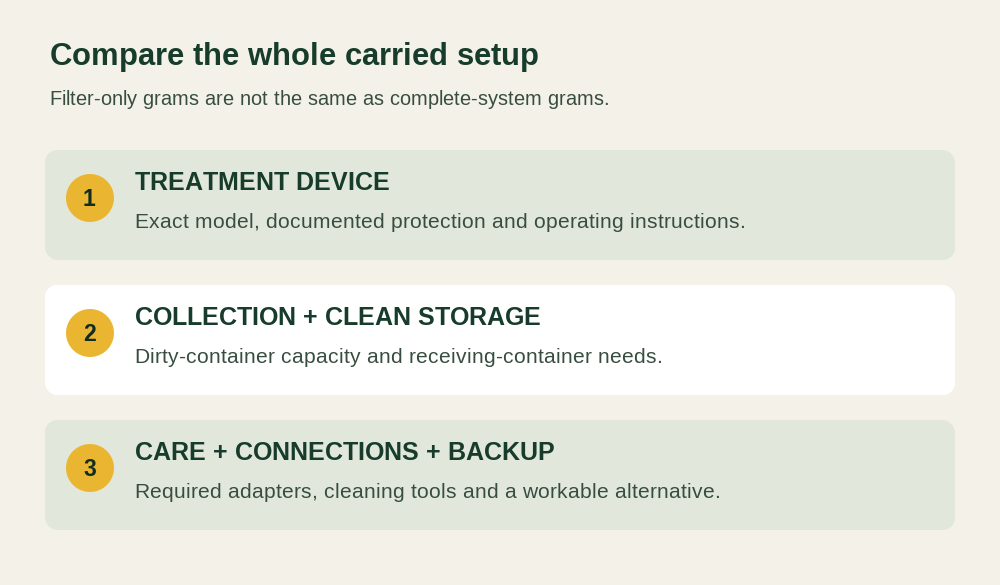
Three realistic buying decisions
A solo hiker wants a compact refill kit
Compare the Squeeze's modular approach with the defined QuickDraw 1L package. If an integrated soft flask and taste stage better match the routine, compare BeFree AC. Keep the source and any additional treatment requirement unchanged while comparing the formats. Otherwise you are comparing different levels of protection as though they were the same product.
Three friends need a shared camp station
Start by totaling the water tasks they have actually planned. Use the batch planner to see whether three or four liters per collection meaningfully changes the work. Compare the Peak 3L plus receiving storage against the GravityWorks 4L's separate clean reservoir. Decide who maintains the setup and what happens if members split up.
A trip requires documented virus removal
The ordinary microfilters are not substitutes for that requirement. Compare the Guardian's documented treatment category with an appropriate filter-and-disinfection process, considering operation, waiting time, storage and backup. If a source is chemically contaminated, neither choice automatically resolves it. The next action can be changing the source or route rather than purchasing another device.
Watch the solo-versus-group decision
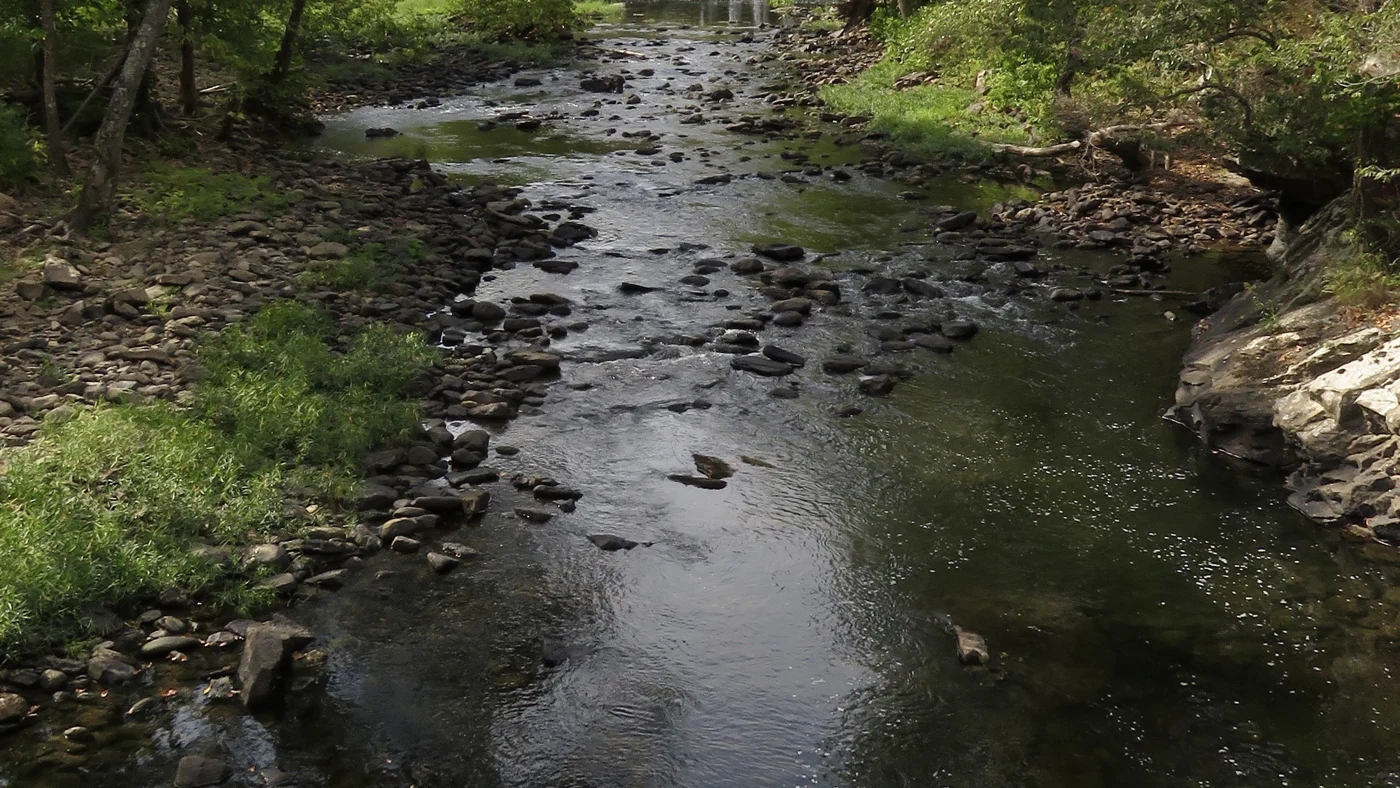
A short original edit combines moving stream footage with animated decision graphics and an audible original instrumental soundtrack. It summarizes the comparison; it is not product-test footage or a treatment demonstration.
Read the video transcript
Start with the source and required treatment. Squeeze filters suit individual refill routines. Gravity systems suit shared batches at camp. The ordinary microfilters here are not virus purifiers. Compare the complete kit, protect the clean side and carry a workable backup. Use the guide to compare six options by job, not by a universal winner.
Stream footage: Mikhail Nilov and I Am Sorin, used under the Pexels license.
Backpacking water filter questions answered
What is the best backpacking water filter for most solo hikers?
Our starting comparison is the Sawyer Squeeze for a modular setup and the QuickDraw 1L for a defined kit. The right choice depends on the complete collection and treatment plan, not a universal winner. BeFree AC offers another individual-flask arrangement.
Is a gravity filter better than a squeeze filter?
For shared camp batches, gravity can make the work more convenient. For quick individual refills, squeeze can be simpler to carry and deploy. Neither delivery method establishes pathogen protection. Compare the actual filter or purifier inside the system.
Do backpacking water filters remove viruses?
The ordinary microfilters in this shortlist should not be assumed to do so. The MSR Guardian pump has a documented virus-removal claim. A filter followed by suitable disinfection is another process to assess using authoritative guidance and exact product instructions.
Does a smaller micron number mean a better filter?
Not by itself. Evaluate the documented removal claims and the complete product. Pore-size labels are not a substitute for evidence about viruses, correct use, damage or dissolved contaminants. A delivery system can be convenient without meeting your required protection.
Can I use a hiking filter for emergency water at home?
Only if the actual source and required treatment fit the device and process. This is not permission to treat floodwater or chemically contaminated water. For planned household supplies, start with emergency water storage containers rather than assume a backpacking device solves every outage.
How long will a backpacking water filter last?
Published cartridge capacities are conditional claims, not a guaranteed calendar lifetime. Follow replacement and care instructions for the exact device. Damage or unsuitable storage can matter before the stated volume is reached; taste and apparent flow do not establish removal performance.
Should every group member carry a filter?
Decide around separation, failure and the route. One shared system may suit an organized camp routine, but a person walking away from it still needs a water plan. Redundancy should address a realistic failure or separation rather than add identical equipment without a purpose.
How we selected these options
We selected distinct jobs: modular solo filtration, a defined solo kit, an integrated taste-focused flask, two small-group gravity arrangements and a specialist purifier. Manufacturer specifications were checked on November 12, 2026. We did not field-test the products, validate laboratory reports independently or rank them using borrowed user ratings.
We do not use the maximum cartridge-capacity claims to calculate a misleading cost per liter. Nor do we turn flow-rate claims from different manufacturers into a controlled speed test. Price, seller, included parts and regional stock must be checked when buying. These limitations leave room for a useful recommendation based on a documented job and an honest comparison.
- Sawyer Squeeze — specifications, included parts and image source
- Platypus QuickDraw 1L Filter System — specifications, included parts and image source
- Katadyn BeFree AC 1.0L Black — specifications, included parts and image source
- Platypus GravityWorks 4.0L — specifications, included parts and image source
- LifeStraw Peak Series Gravity 3L — specifications, included parts and image source
- MSR Guardian Purifier — specifications, included parts and image source
- Sawyer — care and freezing limitations
- CDC — water treatment while hiking and camping
- Wilderness Medical Society — water treatment guidelines
- Utah DEQ — backpacking filters and harmful algal blooms
Product photographs come from the linked manufacturer pages and identify the models; separate reuse permissions have not been confirmed. The header is public domain, the stream clips use the Pexels license, and the diagrams and instrumental composition are original to this guide. Our editorial standards explain how we handle evidence and corrections.