
GEAR REVIEW / COLD-WEATHER SLEEP SYSTEMS
Best Sleeping Bags for Cold-Weather Camping—and How to Read Temperature Ratings
THE BUYING DECISION IN ONE MINUTE
For a removable inner layer, compare our sleeping bag liner buying guide. It separates silk, synthetic blends and conditional warmth claims without assigning a new bag rating.
Read the comfort figure before the number in the name.
Carrying your kit: start by comparing the Questar 0, Bishop Pass 0 and Lithium 0. Driving to camp: the North Rim offers a synthetic alternative with rating uncertainty. Space over portability: the Deer Hunter is a separate stationary-camp option. None earns a universal “warmest” award from its name.
What matters most
- Comfort, limit and survival claims kept separate
- The exact size, generation and complete sleep system
- Conditions and a workable retreat plan
Know before ordering
- A 0°F label may have a 12–14°F comfort figure
- Fill power alone does not establish warmth
- Our selections are researched, not personally field-tested
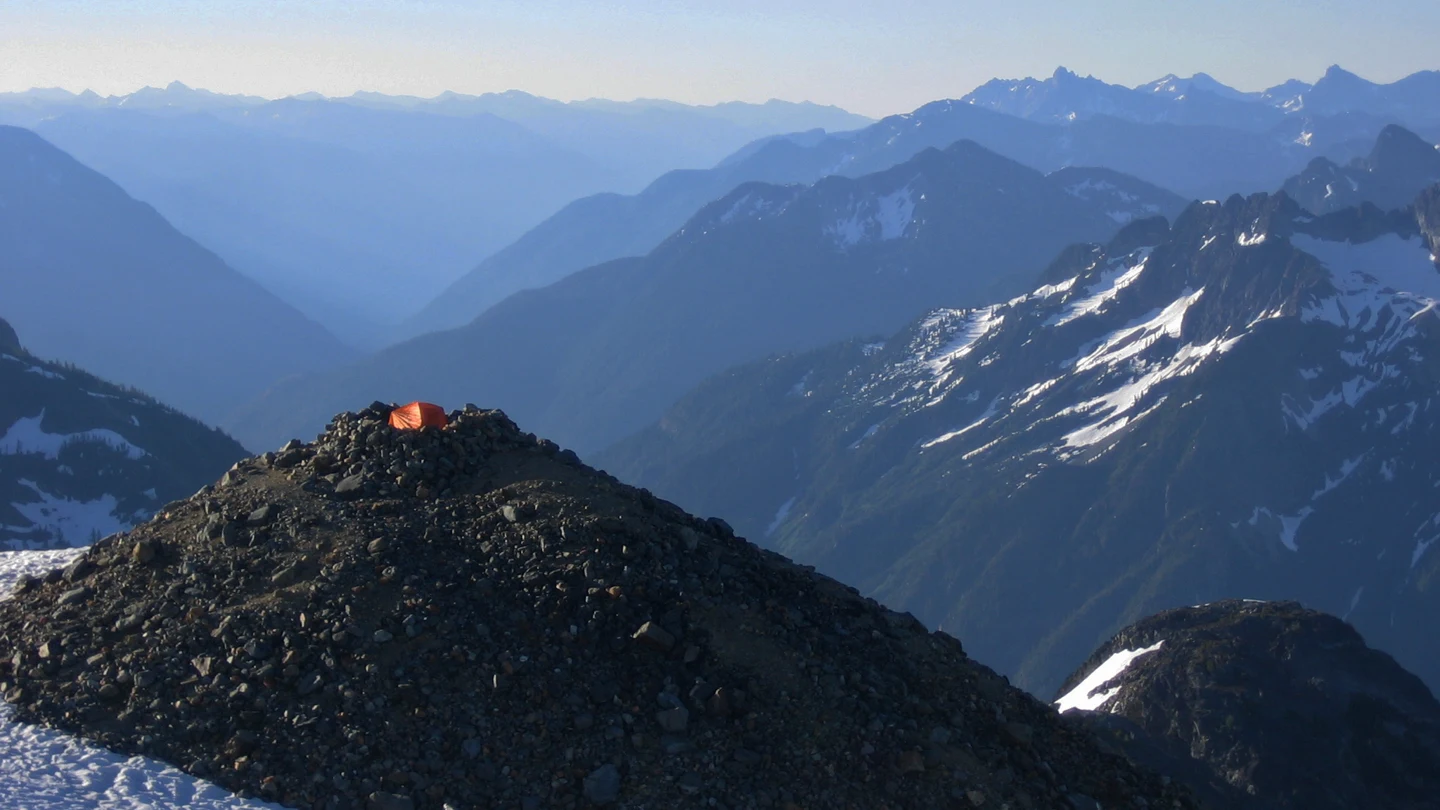
A sleeping bag can be an expensive mistake when the number on the label answers a different question from the one you are asking. You want to know whether the complete setup is suitable for your night outside. A product name may instead refer to a lower limit, a maker’s own estimate or a survival threshold. Treating those figures as one leaderboard is where a buying guide becomes misleading.
This shortlist separates carried camping equipment from bulky camp bedding and compares the evidence behind the temperature numbers. The buying judgments are ours; the measured specifications belong to the manufacturers. We have not slept in these bags, run a cold-chamber comparison or verified that a particular person will remain comfortable at a stated temperature.
Best cold-weather sleeping bags at a glance
As an Amazon Associate I earn from qualifying purchases. Buttons open exact-model U.S. Amazon searches, not verified live offers. Confirm generation, size, temperature version, seller and included accessories. Stock and prices change.
Starting point for carried cold-weather trips
Therm-a-Rest Questar 0°F/-18°C
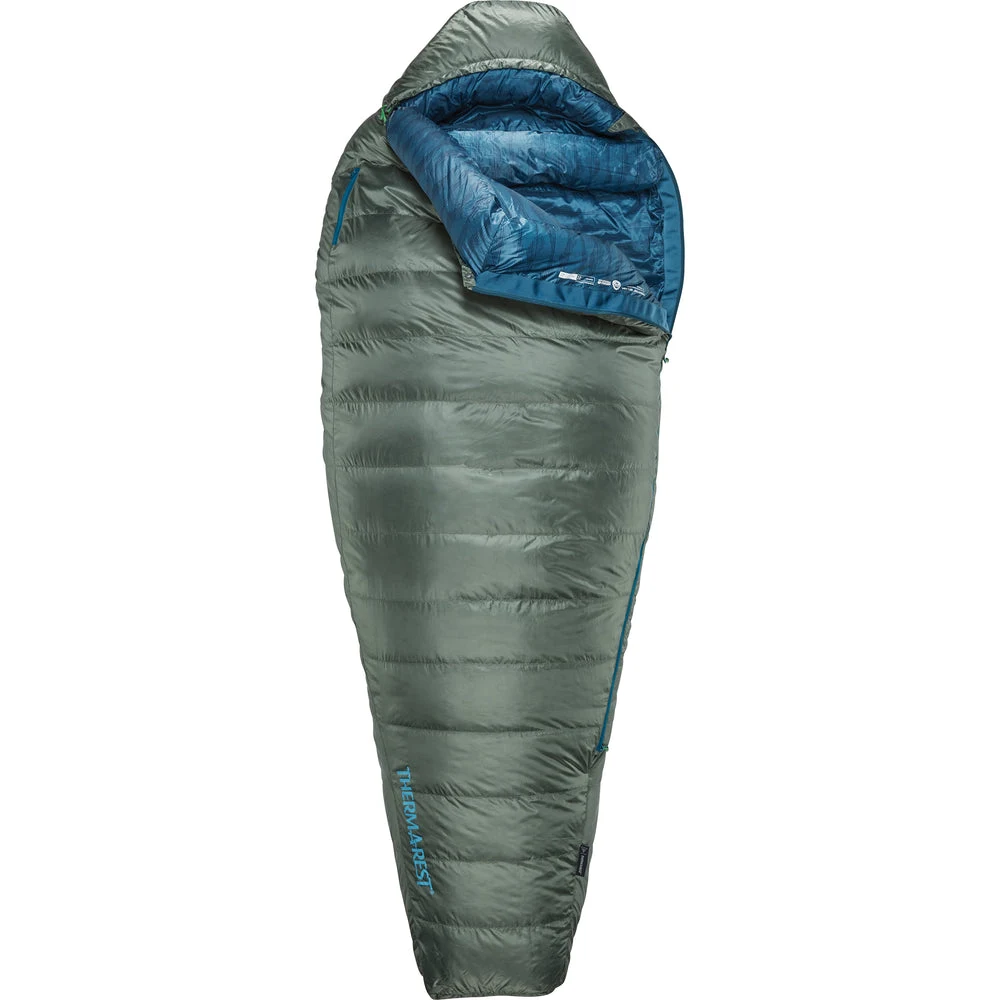
Compare this first when you carry the complete sleep system and want clearly separated comfort and limit figures.
CHECK AMAZON OPTIONSAlternative down mummy for backpacking
Mountain Hardwear Bishop Pass 0°F
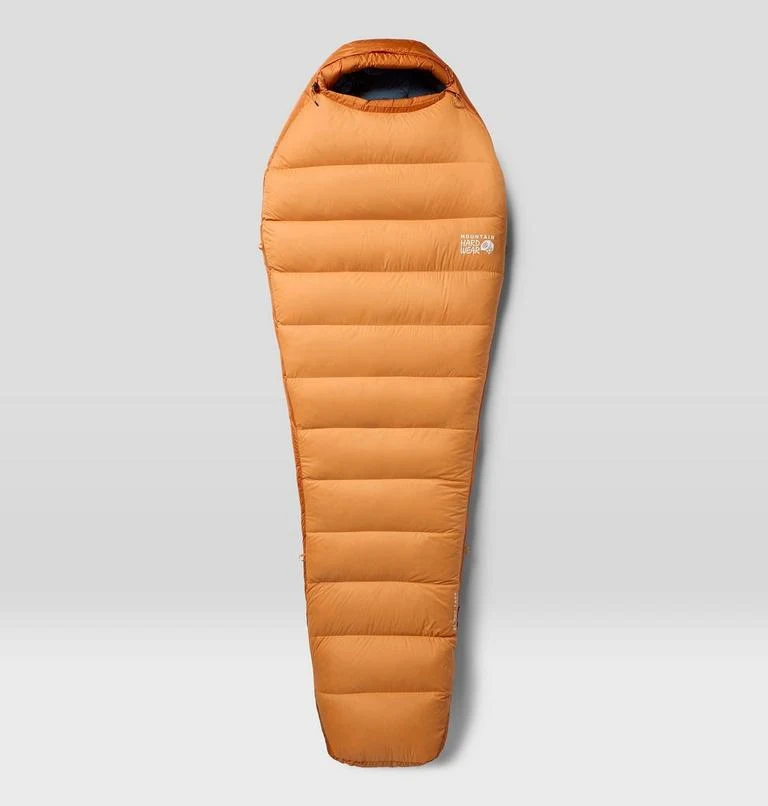
A useful alternative when the actual mummy fit and local offer suit you better than the Questar.
CHECK AMAZON OPTIONSHigher-fill-power down alternative
Marmot Lithium Down 0°
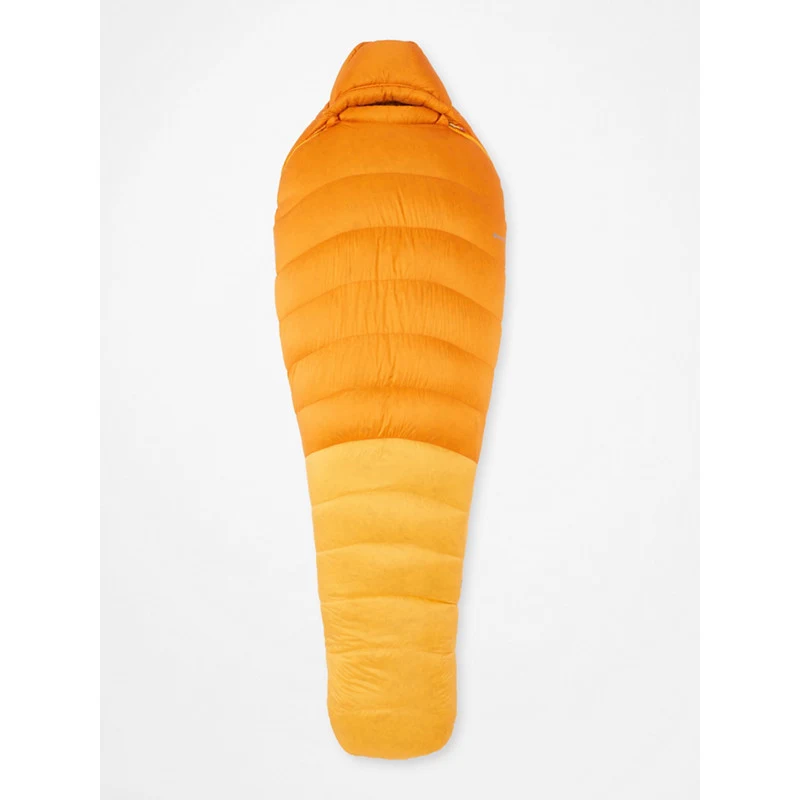
Shortlist for its exact fit and construction, rather than assuming 800-fill down automatically makes it the warmest bag.
CHECK AMAZON OPTIONSBudget-oriented car-camping comparison
Coleman North Rim Adult Mummy
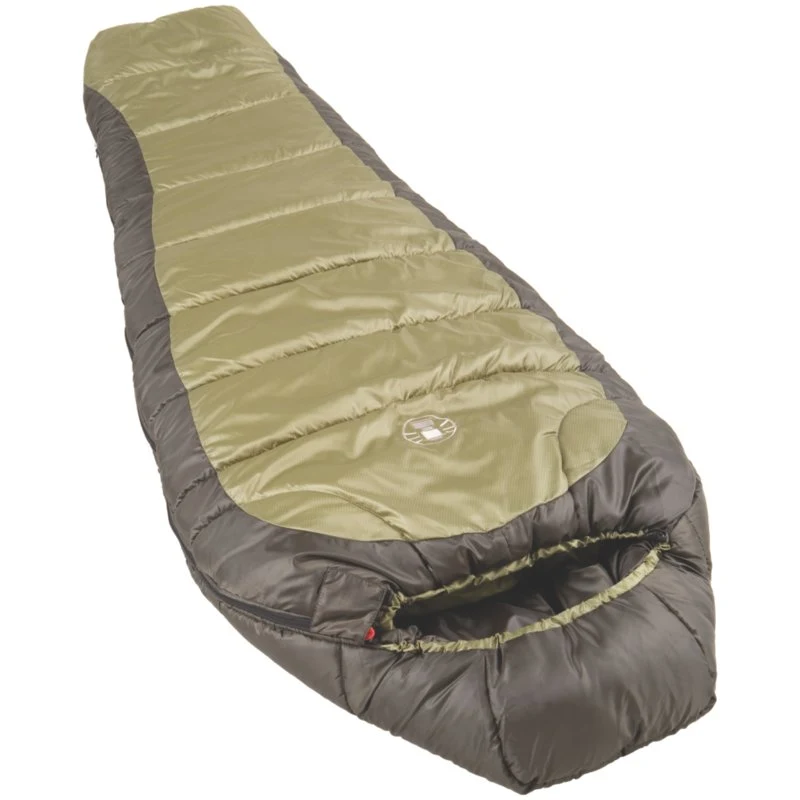
Consider for vehicle-based camping only after resolving the conditions, fit and rating uncertainty; do not treat its 0°F headline as equivalent to an EN comfort result.
CHECK AMAZON OPTIONSOversized stationary-camp option
Teton Deer Hunter −35°F Canvas — Black 1027R
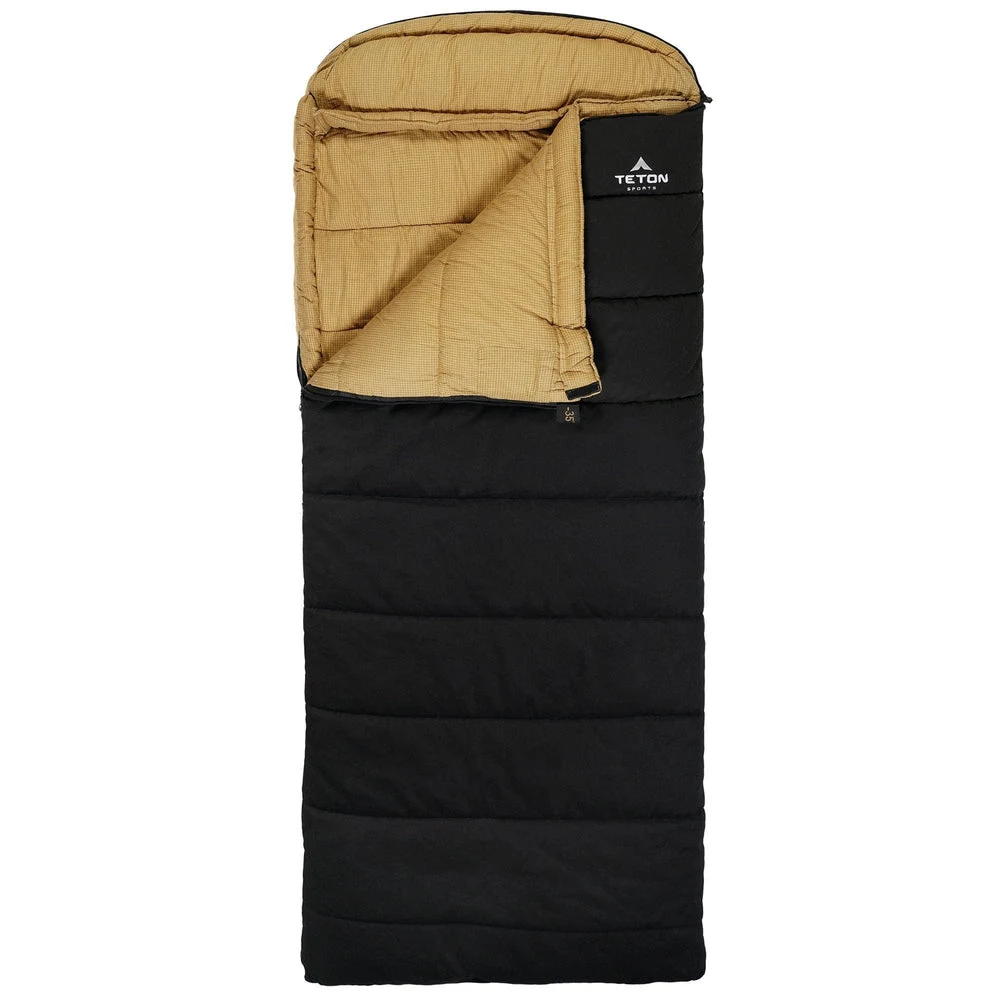
A distinct category for people prioritizing space at a stationary camp, not a rival backpacking-weight option.
CHECK AMAZON OPTIONSSleeping bag temperature ratings: comfort vs limit vs extreme
Comfort is the more useful initial reference for a cold sleeper. Lower limit is a different test-based reference associated with a warmer sleeper. Neither predicts every person’s experience. Extreme or survival is not a normal camping target and should not be used to choose a comfortable overnight setup.
EN and ISO ratings come from controlled testing, not a promise about a particular campsite. A maker’s own rating may use another basis entirely. Keep the type of claim beside the number whenever you compare bags. If a seller cannot identify which figure is being advertised, the uncertainty belongs in your purchase decision.
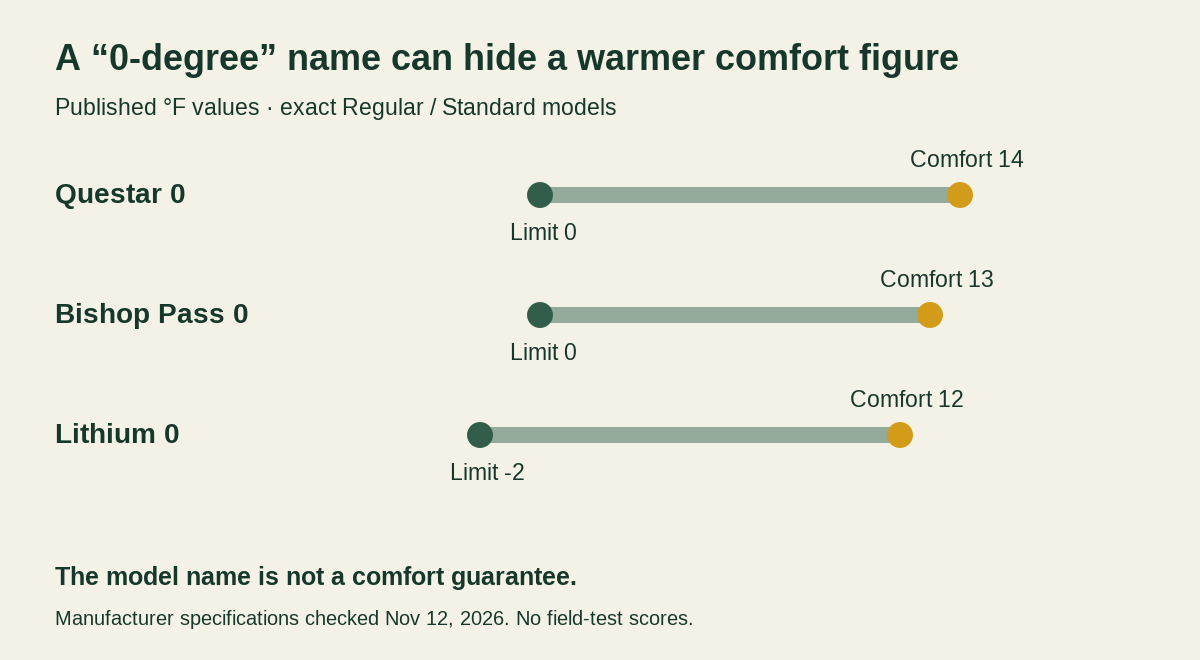
A practical example: a forecast of 10°F is colder than all three down bags’ published comfort figures here. The names include “0,” but that does not make this a comfort match. We would widen the equipment search and reconsider the trip plan rather than declare one of these three suitable because its label sounds colder.
Conversely, a forecast above a comfort figure does not certify a safe trip. Your insulation underneath, fit, moisture, health, exposure and changing conditions still matter. Treat the forecast comparison as a way to reject an obvious mismatch, not a permission slip.
The five bags worth comparing for different jobs
Therm-a-Rest Questar 0°F/-18°C
Starting point for carried cold-weather trips
Reasons to shortlist
- Published comfort and limit values
- Lowest stated regular-size bag weight among the three down models compared here
- Pad-connection arrangement worth checking with your own pad
Trade-offs
- The 0°F name is not its comfort figure
- Legacy Questar listings may vary by region and generation
- Pad compatibility and packed fit still need checking
The Questar is my starting comparison when every item must go into a carried load. Its published Regular weight gives you a useful reference before considering how the bag and pad fit together. That does not establish a field-tested warmth-to-weight winner. It gives you a specific alternative to weigh against your own fit and packing requirements.
I would bring the intended pad into the buying decision early. A connector system is only useful if it works with the pad you actually use and does not make your preferred sleeping position awkward. Ask about the exact version and accessories rather than assuming an online bundle contains the standard components.
Choose another bag if its fit, availability or seller terms leave a question unresolved. Saving a small amount of carried weight is poor value when the shape does not suit you. Keep the backpack comparison separate from the sleep decision until you know the complete packed load.
Mountain Hardwear Bishop Pass 0°F
Alternative down mummy for backpacking
Reasons to shortlist
- Explicit EN comfort and limit values
- Published regular and long sizing
- A clear model/style number for seller checks
Trade-offs
- Not the separate Windstopper version
- Heavier published bag weight than Questar Regular
- Cannot judge real fit or warmth from a specification alone
I would compare the Bishop Pass alongside the Questar rather than pronounce one universally better. The decision can turn on how the actual bag fits your shoulders and feet, which size is available and what the seller allows you to inspect before keeping it. A close specification comparison helps you ask those questions; it cannot answer them by itself.
The most important shopping check is the full model identity. A Windstopper version is a different purchase with a different weight and shell. A retailer photograph, headline and specification table need to agree. If they describe different generations or constructions, ask the seller to resolve that before ordering.
This is also a useful reminder that one degree of published comfort difference is not enough to predict a meaningful advantage for you. I would give more attention to correct sizing, reliable documentation and a return arrangement than build a ranking around that tiny numerical gap.
Marmot Lithium Down 0°
Higher-fill-power down alternative
Reasons to shortlist
- Separate tested comfort and limit figures
- Published standard-size weight and dimensions
- Useful comparison against the two 650-fill down options
Trade-offs
- Small comfort-rating differences do not prove a personal warmth advantage
- Do not mix Long or Short weights with Standard
- Stuff sack and compression sack are not interchangeable terms
The Lithium belongs on the shortlist when you want another documented down option, but I would not buy it simply because the fill-power number is higher. Fill power describes down loft under a test; it does not replace information about fill quantity, bag construction, fit or a complete thermal rating.
The useful comparison is the exact Standard model against exact Regular alternatives. Check whether the seller is offering the same size and generation described here. Product names can survive revisions, so save the current product details with your order rather than rely on a years-old review.
I would also check which sack is included. A storage sack, ordinary stuff sack and compression sack solve different problems. There is no need to buy a second accessory just because its name appears in a comparison table, but there is a reason to confirm what comes in the parcel and how the maker wants the bag stored.
Coleman North Rim Adult Mummy
Budget-oriented car-camping comparison
Reasons to shortlist
- A straightforward car-camping option to price-check
- Published dimensions and maximum user height
- Synthetic alternative to the down shortlist
Trade-offs
- No comparable comfort/limit pair verified
- Do not invent a missing weight from another listing
- Not our evidence-based recommendation for a 0°F overnight
The North Rim is the option I would investigate for a cost-conscious, vehicle-based trip when carrying bulk is not the main constraint. Its place here is conditional: the documentation does not provide the same comfort/limit pair as the down models. That prevents an honest numerical warmth ranking.
Do not fill that gap using a customer comment that guesses the comfort temperature. A user’s account can describe one experience, but it cannot supply a missing laboratory figure for everybody else. Ask Coleman for the rating basis if the expected conditions make that distinction important.
I would not select this as the solution to a planned 0°F night merely because the headline says 0°F. If budget and conditions do not line up, changing the date or choosing a less exposed overnight plan is more sensible than turning an undocumented assumption into a safety margin. Our beginner camping guide helps organize the rest of the trip.
Teton Deer Hunter −35°F Canvas — Black 1027R
Oversized stationary-camp option
Reasons to shortlist
- Oversized rectangular arrangement
- Maker explicitly distinguishes survival from comfort
- Bag and packed weights separately documented
Trade-offs
- Far too heavy for our carried-trip shortlist
- Maker comfort claim is not an independently verified EN/ISO comparison
- Older Deer Hunter variants may have different specifications
The Deer Hunter serves a different shopper from the carried-trip bags above. I would put it on a stationary-camp shortlist when space matters and the route from vehicle to sleeping place is short enough for the actual load. I would remove it immediately from a backpacking shortlist rather than compare it as though the weight difference were a minor inconvenience.
Its most useful lesson is that an impressive negative number can describe a survival claim. The maker also supplies a comfort range, but this guide does not treat that range as equivalent to the EN/ISO values elsewhere. You can compare the documented size and transport burden without pretending the warmth evidence is identical.
Match the exact Black 1027R listing. An older review may describe a lighter Deer Hunter with different specifications. For this model, measure the transport and storage space before buying. Our small-space gear storage guide is useful when a bulky camp purchase has to live in an apartment between trips.
Who should skip each option?
These exclusions apply our selection priorities—carrying weight, rating basis and the complete sleep system—to the buying decision. They are editorial judgments from the documentation discussed in this guide, not defects established in R&R field tests.
| Product | Reconsider it when… |
|---|---|
| Therm-a-Rest Questar 0°F/-18°C | Your decision depends on a guaranteed personal comfort temperature. A published comfort rating is a comparison input, not a promise for your body or conditions. |
| Mountain Hardwear Bishop Pass 0°F | You have chosen only by the “0°F” name without checking the separate rating evidence, size and sleeping pad. Resolve those requirements first. |
| Marmot Lithium Down 0° | You have not checked whether the exact length and cut suit your sleeping position. Our comparison does not establish fit or justify paying more for a name alone. |
| Coleman North Rim Adult Mummy | You need a directly comparable standardized comfort figure or a compact carried setup. Treat its rating uncertainty and complete packed load as reasons to investigate alternatives. |
| Teton Deer Hunter −35°F Canvas — Black 1027R | You need a backpacking sleep system. This is a stationary-camp category choice; its very low label is not evidence that it outperforms standardized comfort-rated bags. |
What our evidence establishes—and what it does not
Research-based comparison; no firsthand testing of this shortlist. Linked manufacturer documentation supports the named specifications and stated capabilities. Our selection method translates that documentation into use cases and exclusions. Calculators and worked examples demonstrate arithmetic, not measured product performance.
We have not independently established comfort, durability or performance under your trip conditions. Manufacturer test claims remain attributed claims; they are not our results. Product photographs identify equipment. Lifestyle footage, diagrams and any AI illustrations explain context and cannot demonstrate testing, ownership or endorsement. We do not award a tested-winner badge or numerical performance score without a documented test method and actual results.
Before buying, follow the model-specific checks in the reviews below and retain the option to choose none of these products if your requirements are not met. See our editorial standards and corrections process.
Compare the temperature evidence before comparing the bags
These rows deliberately keep missing or non-equivalent evidence visible. Regular/Standard figures apply only to the specified versions. “Not verified” is an instruction to resolve a question, not a measurement of zero.
| Model | Comfort evidence | Limit / headline evidence | Bag weight | Insulation | Best comparison job |
|---|---|---|---|---|---|
| Therm-a-Rest Questar 0°F/-18°C | 14°F / −10°C | 0°F / −18°C | 2 lb 11 oz / 1.21 kg | 650-fill down | Starting point for carried cold-weather trips |
| Mountain Hardwear Bishop Pass 0°F | 13°F / −11°C | 0°F / −18°C | 3 lb 2.1 oz / 1.42 kg | 650-fill down | Alternative down mummy for backpacking |
| Marmot Lithium Down 0° | 12°F / −11°C | −2°F / −19°C | 3 lb 0.9 oz / 1.387 kg | 800-fill goose down | Higher-fill-power down alternative |
| Coleman North Rim Adult Mummy | Separate EN/ISO comfort figure not published on checked page | Maker advertises use as low as 0°F; rating basis not established | Not verified on checked manufacturer page | Polyester insulation | Budget-oriented car-camping comparison |
| Teton Deer Hunter −35°F Canvas — Black 1027R | Maker states −10°F to −5°F; not verified as EN/ISO comfort | −35°F headline is explicitly a survival rating | 17.5 lb bag; 18.89 lb with duffel | Synthetic fiber fill | Oversized stationary-camp option |
We have not assigned scores, copied customer star ratings or manufactured temperature-per-dollar results. Prices, discounts and local availability need checking at purchase. Use the table to narrow the category and identify questions, then compare complete offers.
Does the published comfort rating match your forecast?
This checker subtracts one number from another. It can flag a mismatch; it cannot predict warmth, select a sleeping pad or approve an overnight trip.
Enter the comfort figure, not the number in the product name.
How to choose a winter sleeping bag without buying the wrong category
1. Start with conditions and the decision to go
“Cold weather” is not one equipment category. A sheltered car-camping trip near an easy exit and a remote winter route can have very different consequences when the forecast changes. Name the intended setting before opening a product comparison. Record the expected overnight low, exposure, access and the current information source.
Do not build the trip around the bag you already want to buy. If the planned conditions fall beyond your experience or the documented equipment, change the plan or seek appropriate instruction. A warmer product cannot fix every weakness in route selection, shelter, communication or judgment.
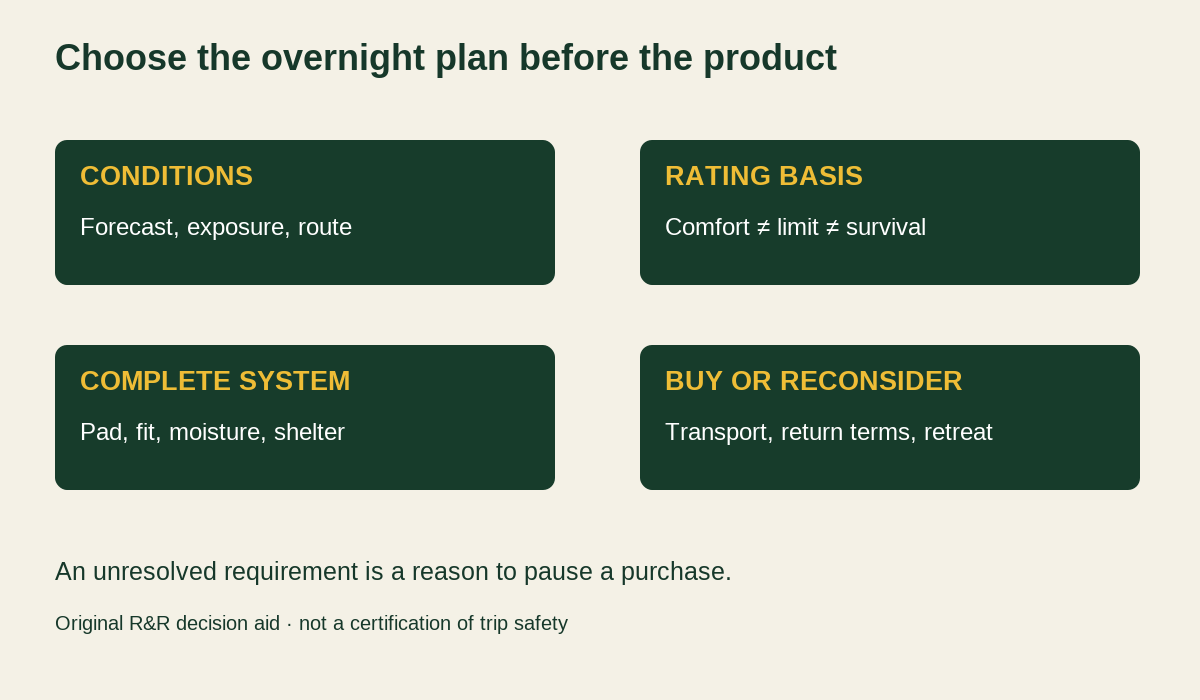
2. Choose the rating basis you can actually compare
Record the source beside every temperature. An EN/ISO comfort figure, an EN/ISO limit figure and a manufacturer survival claim are separate entries. If the two products do not publish equivalent values, compare what is documented and leave the rest unresolved. Do not silently rename the colder number “comfort.”
Check units as well. Zero degrees Celsius is 32°F; zero degrees Fahrenheit is approximately −18°C. A listing shortened to “Questar 0” can therefore describe a materially different temperature version from the one you intended. Keep the unit and model identifier in your shopping notes.
For readers in the UK, Canada, Europe and Australia, this unit check is particularly useful when comparing imported listings with local ones. The product’s availability, included accessories and return terms may differ. Our U.S. Amazon search links are shopping shortcuts, not a claim that the same version is supplied in every country.
3. Treat the sleeping pad as a separate insulation decision
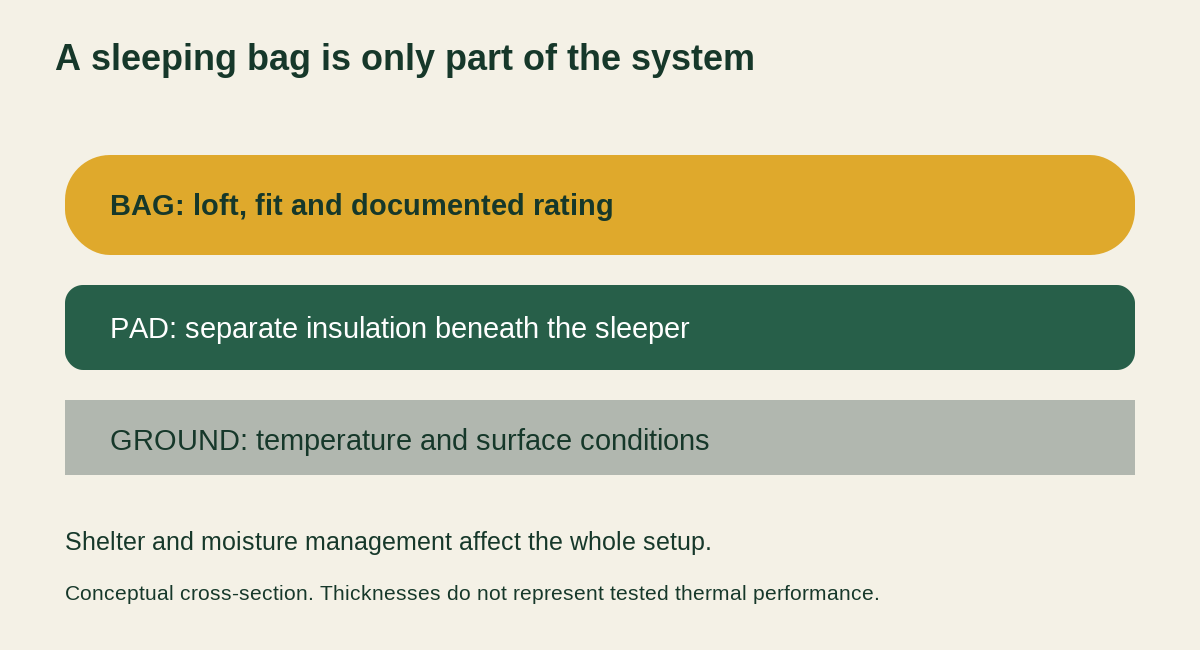
A sleeping bag is not the complete sleep system. Insulation under you matters because the parts of a bag beneath your body are compressed. Read the intended pad’s insulation information and the conditions assumed by the bag’s testing or guidance. A thick-looking pad is not evidence of cold-ground suitability.
We intentionally do not assign every reader a universal R-value here. Choose the exact pad using manufacturer guidance for the conditions and consider the full setup. If two pads are combined, use the makers’ guidance rather than assume any improvised arrangement creates a known temperature guarantee.
4. Check fit in the position you normally sleep
Maximum user height answers only part of the fit question. Shoulder room, hip room, foot space and how the hood closes can change the experience. A longer size may solve height while leaving width unresolved. A wider bag may suit movement without being the right arrangement for every sleeper.
If retailer rules allow a fitting, use clean clothing appropriate to the intended setup and try your normal sleeping position. Notice whether insulation is being pulled tight and whether the closures remain usable. Keep the return conditions in mind. We have not performed that fitting for you, and a product photograph cannot settle it.
Measure your intended storage and transport arrangement too. A bag that works at camp may still be an awkward choice for a small apartment or a carried load. When the packed system is established, use our backpack fit and capacity guide to keep body fit separate from the volume needed for equipment.
5. Compare down and synthetic as complete products
Down often attracts buyers looking for compressibility, while synthetic insulation offers another construction choice. Neither label finishes the comparison. Look at the exact rating evidence, total bag weight, packed dimensions, care instructions and price available to you. Do not turn a general insulation preference into a claim that a particular bag stays warm when wet.
Fill power is especially easy to misuse. An 800-fill bag is not automatically warmer than a 650-fill bag. The amount and distribution of insulation, bag size and construction still matter. In this shortlist, the published comfort figures are close enough that we would not replace a proper fitting with a contest between fill-power numbers.
6. Keep moisture and care in the purchase decision
Ask how the bag must be dried, cleaned and stored between trips. Follow the instructions for the exact shell and insulation. A water-repellent treatment does not make a bag a waterproof shelter, and a dry-looking outer surface does not establish that the insulation is ready for long-term storage.
A practical home system separates ready equipment from items needing care or repair. Use our gear storage organization guide to record what remains unresolved. This is also where a bulky stationary-camp bag can become a poor fit for someone who has no workable place to keep it.
7. Buy the complete setup, not an isolated discount
Compare the bag, suitable pad, required protection, transport needs and any genuinely missing accessories together. A sale on the bag may leave another necessary part of the setup unfunded. Check whether a sack is for transport or storage and whether the item pictured is actually included.
Prioritize the problem that remains unanswered. If you do not know the comfort rating, another pocket does not resolve it. If the bag does not fit, an appealing color does not resolve it. A clear reason to decline a purchase is one of the most useful outcomes a buying guide can provide.
Three worked buying decisions
A carried trip with a forecast low of 10°F
The three down models list comfort figures warmer than that forecast. The first decision is therefore not which of the three wins. It is whether to find a more suitable documented sleep system, change the overnight plan or seek guidance appropriate to the route. The −35°F Teton name does not automatically solve a carried-load problem either.
A vehicle-based trip where budget is tight
Compare the North Rim’s current offer with alternatives, but retain its missing comparable comfort evidence as a question. A short distance from the vehicle may change the transport decision; it does not create a temperature rating. If the documentation cannot support the intended conditions, do not spend money merely because the bag is cheaper.
A broad sleeper choosing between two similarly rated down bags
Start with the actual fit and the allowed return process. A one-degree difference in a published rating is not a defensible reason to accept a cramped fit. If neither model accommodates the intended sleeping position, broaden the shortlist instead of treating these five products as the only possible answers.
Watch the rating comparison move from label to decision
A short original animation explains why the comfort and limit columns must stay separate. It includes an original instrumental soundtrack; captions carry the explanation.
Read the video transcript
A zero-degree name does not necessarily mean zero-degree comfort. Questar lists comfort at fourteen Fahrenheit and limit at zero. Bishop Pass lists thirteen and zero. Lithium lists twelve and minus two. A ten-degree forecast is colder than all three comfort values. Check the pad, fit and conditions. Survival figures are not comfort targets.
Cold-weather sleeping bag questions
What is the best cold weather sleeping bag?
For our carried-trip comparison, start with the Questar, Bishop Pass and Lithium in the exact sizes documented here. Select by conditions, rating evidence and fit rather than a universal winner. For a stationary camp, compare the separate car-camping options. A shortlist is not a finding that every bag suits your trip.
Is a 0-degree sleeping bag warm enough for winter?
Not by name alone. Winter conditions vary, and “0 degree” can refer to Fahrenheit or Celsius and different rating types. The three selected down bags have comfort figures above 0°F. Check the full rating and complete system before deciding.
Should I use comfort or limit temperature?
Use the comfort figure as the more cautious starting reference, especially if you tend to sleep cold. A limit figure is a different test reference, not a promise of a comfortable night. Neither eliminates the need to assess the rest of the setup.
Can a liner turn a bag into a colder-rated bag?
Do not add an advertised liner warmth claim to a bag’s rating as though the combination were laboratory tested. Check the exact products’ guidance. A liner can serve comfort or cleaning preferences without supplying a new verified rating for the system.
Does a tent make a sleeping bag warmer?
Shelter can affect exposure, but do not add an assumed number of degrees to the bag rating. Shelter selection and use still require their own instructions and condition assessment. Never use a stove or fuel-burning heater inside a tent to compensate for an unsuitable sleep system.
Why is there no single winner by price?
Prices and local offers change, and the rating evidence is not equivalent across all five products. A cheap bag that does not suit the conditions is not good value. Compare actual complete offers only after the bag passes your requirements.
How we researched and selected these sleeping bags
We checked manufacturer product pages on November 12, 2026, recording exact versions and separating comfort, limit and proprietary claims. Selection emphasizes documented comparison and different use cases. We did not independently verify laboratory results, perform field tests or interview these manufacturers. Product photographs identify the models; they do not document our testing.
The Questar source is the manufacturer’s European product page because the equivalent U.S. path was unavailable during checking. Confirm local availability and exact SKU. We excluded Kelty Cosmic Down 0 from the ranked shortlist because the checked page combined a “0” name with a 5°F specification and other inconsistencies requiring clarification. Excluding an unresolved model is preferable to guessing its comfort rating.
- Therm-a-Rest Questar 0°F/-18°C — specifications and image source
- Mountain Hardwear Bishop Pass 0°F — specifications and image source
- Marmot Lithium Down 0° — specifications and image source
- Coleman North Rim Adult Mummy — specifications and image source
- Teton Deer Hunter −35°F Canvas — Black 1027R — specifications and image source
- Sea to Summit — sleep-system and rating-test limitations
- Sea to Summit — what temperature tests show and do not show
Tell us about a model change through our corrections page, including the exact size, model number and manufacturer evidence. We will revise a documented error rather than add an unsupported claim.