
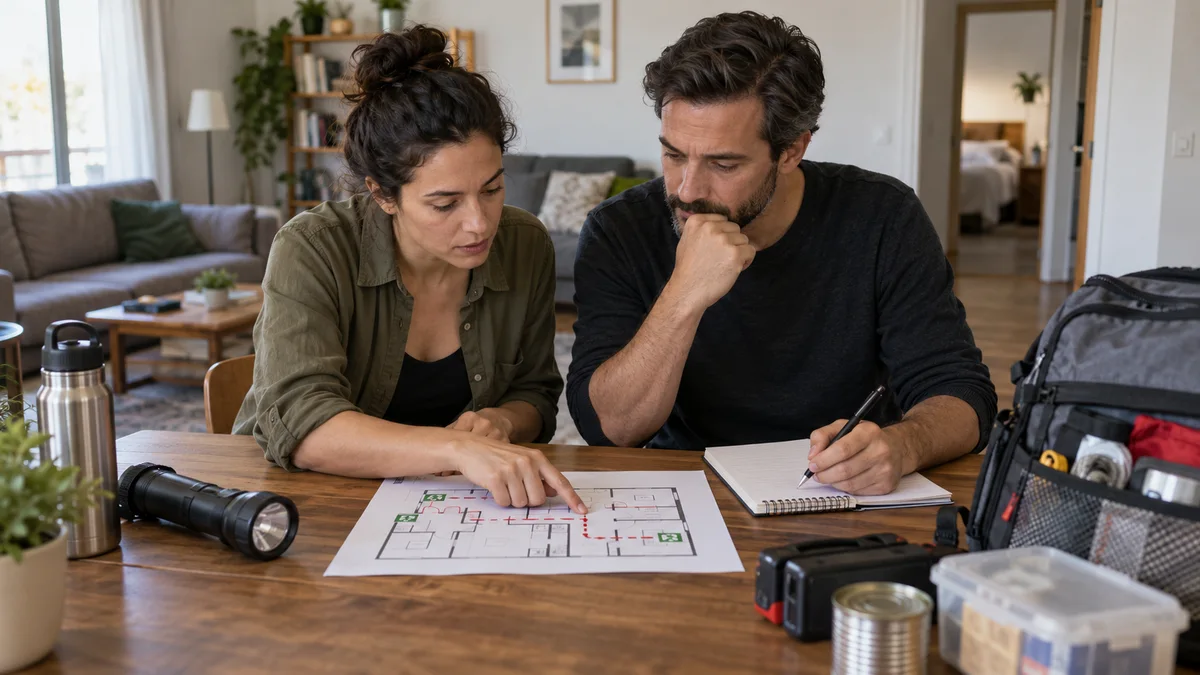
An apartment earthquake plan has to account for more than the space inside your front door. The elevator, stairwell, water pressure, entry system and building notices may all depend on arrangements you do not control. Buying a larger emergency bag does not answer those questions.
I would start with two lists: what I can improve inside the apartment, and what I need to confirm with management. Then I would connect those lists to the people living there. A sixth-floor household with an infant, a dog or someone who cannot use stairs needs a plan built around those realities, not a checklist copied from a detached house.
This U.S.-focused guide covers earthquake preparedness for apartments and upper-floor homes. It separates protective actions during shaking from the building, supply and assistance decisions to settle beforehand. Use the complete earthquake preparedness guide for the wider household plan and the earthquake emergency kit guide for detailed supply quantities.
What should you do during an earthquake in an apartment?
CDC guidance for high-rise buildings says to stay inside during shaking, move away from windows and outside walls, and Drop, Cover and Hold On. Do not use elevators. Do not run downstairs or cross the apartment to collect a bag. If you are in bed, stay there and protect your head with a pillow.
That is the immediate protective action, not an instruction to remain indefinitely in a damaged building. After shaking, hazards and official directions determine what happens next. Keep those two moments separate when discussing the plan with roommates or children. “Always leave” and “always stay” are both too blunt to serve as a complete apartment emergency procedure.
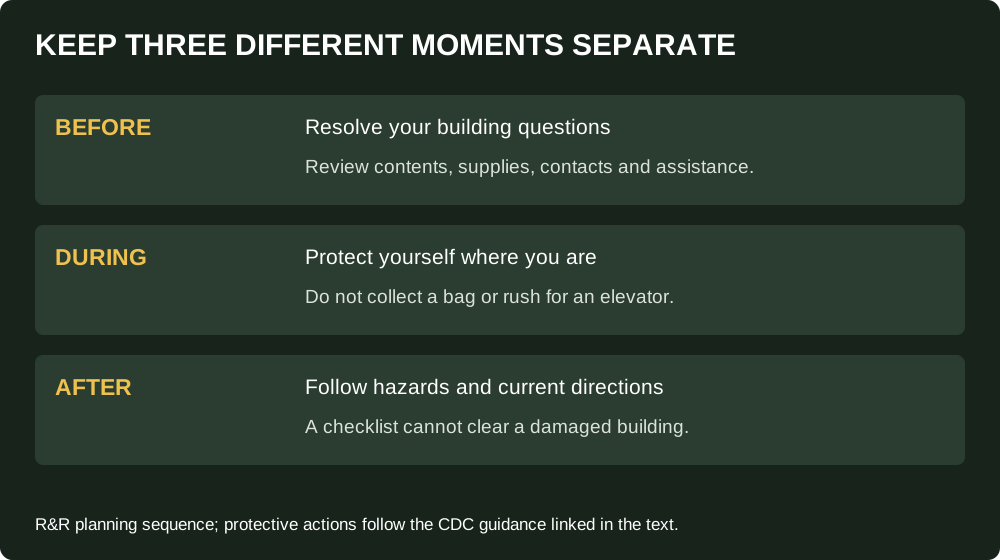
Start with a renter and building responsibility map
A rental agreement does not make you the person qualified to assess the structure or alter shared equipment. It also does not prevent useful preparation. You can inventory personal supplies, move a heavy object from a high shelf, agree on contacts and identify the questions that need a building-specific answer.
For anything involving wall fixings, appliances, fire protection, utilities or shared spaces, establish the appropriate permission and responsible person. This guide does not assign legal duties to landlords across every U.S. jurisdiction. Lease terms and local rules differ. The practical task is to obtain an answer you can use, preferably with a written record of the arrangement.
| Task | Resident action | Confirm with the responsible person |
|---|---|---|
| Personal contents | Review heavy and overhead objects | Permission and suitable restraint installation |
| Shared equipment | Identify the question and report concerns | Management / maintainer procedure |
| Building movement | Learn the applicable procedure | Management instructions and individual assistance plan |
| Supplies | Count usable quantities and locations | Personal care arrangements and household tasks |
| Structural questions | Request relevant information | Qualified professional / local authority; not a DIY verdict |
Keep unresolved tasks visible. “Management handles it” is incomplete if you have not asked how residents will receive instructions when the entry panel and internet are unavailable. Record a contact, the question, the response and the next step. If a manager changes, the record helps the next conversation begin with the actual issue.
Review furniture and falling objects room by room
CDC earthquake preparation guidance identifies unsecured furniture, appliances and falling objects as hazards to address before an earthquake. It recommends moving heavy or large objects to lower shelves and using appropriate restraints. Treat fixing methods as specific to the furniture, wall construction and installation instructions; a generic strap does not establish a suitable installation.
Start where people sleep and sit. What is above the bed, sofa, desk or child's usual play area? Which objects could fall across the route you normally use? Make a list of heavy frames, mirrors, tall furniture and stored equipment. Separate easy reorganization from work that requires permission or a qualified installer.
I would rather move an unsecured heavy item out of a hazardous position today than leave it there while debating an unsuitable adhesive product. Removable mounting tape should not be assumed equivalent to a properly installed furniture restraint. Check the load, material and manufacturer instructions, and obtain the necessary permission before drilling or installing hardware.
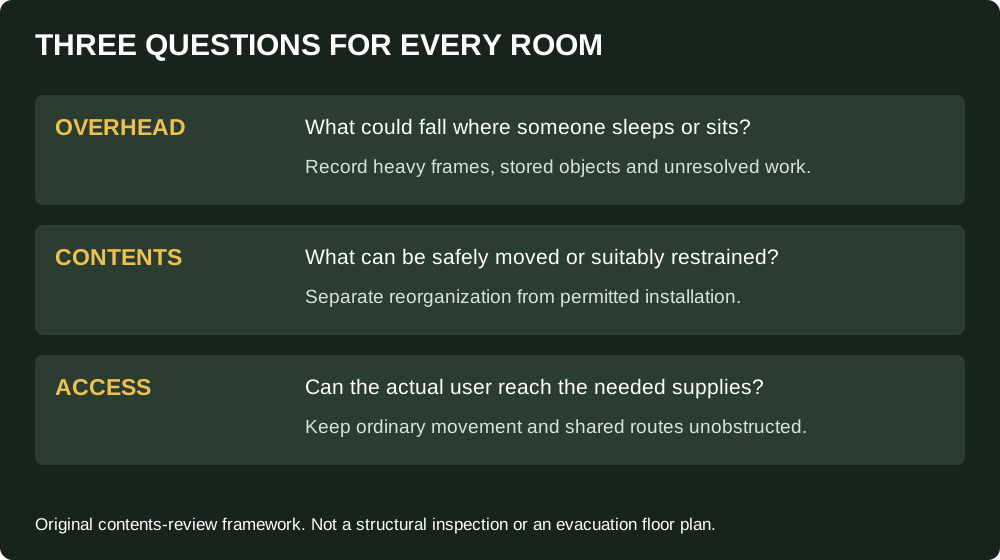
The inspection here is a household inventory, not an engineering assessment. An apartment can look tidy while still containing overhead hazards. Conversely, finding an unrestrained bookshelf does not tell you how the building will perform. Keep contents safety and structural questions on separate lines of the plan.
Know the building procedures before the elevator stops
Ask management for the current emergency procedure and how it applies to your floor. Find out how residents will receive notices, where to obtain updates and who answers urgent building questions outside office hours. Confirm what you should do if a usual access route is unavailable, instead of improvising a route through a restricted service area.
Walk ordinary permitted routes while the building is operating normally. Learn the locations identified in the building's procedure and check how household members will recognize them. Do not disable alarms, test emergency doors improperly or interrupt equipment to create a practice outage. Report a blocked shared route through the responsible channel.
A simple drill can expose an information gap without pretending to reproduce disaster conditions. Ask each adult to describe the agreed meeting arrangement and find the contact record. Ask where they would obtain a building notice without a phone connection. If answers differ, correct the written plan rather than blaming someone for not remembering a conversation.
Seven questions to ask your property manager
- What earthquake and evacuation instructions currently apply to this building?
- How will residents receive updates if normal communications fail?
- What is the procedure when elevators are unavailable?
- How are residents needing assistance included in the plan?
- Who handles shared utility, water and wastewater questions?
- Where should residents obtain information about building access after an incident?
- How should a resident report an obstruction, damaged fixture or unresolved preparedness issue?
These are questions to resolve in advance. The table below provides space to turn a general reply into a household action. A building's procedure may direct you differently from another building nearby.
| Question to resolve | Record the answer | Next action |
|---|---|---|
| Where do building updates come from? | Contact / channel / offline alternative | Confirm with management |
| What if the elevator is unavailable? | Applicable procedure and personal needs | Agree a specific arrangement |
| Who manages water and wastewater? | Responsible contact and instructions | Keep supply and drainage separate |
| What assistance is agreed? | Willing helper, limits, fallback | Resolve training or equipment questions |
| Who gives access instructions afterward? | Official channel and responsible authority | Do not self-clear a damaged building |
Upper-floor living needs an assistance plan, not a carrying assumption
Someone who can walk around an apartment may still be unable to descend several flights while carrying a bag. An infant, temporary injury or substantial care equipment can change the same household's needs. Discuss assistance before assigning tasks. Do not assume a neighbor or building employee will be present, trained or physically able to perform a transfer.
CDC disability preparedness resources encourage planning for individual needs and the supports required in an emergency. Agree on assistance with the person concerned and coordinate with building procedures and appropriate care or emergency-planning professionals. An evacuation chair, if part of a plan, needs the correct equipment, trained assistance and a building-specific arrangement; purchasing one alone does not complete that plan.
For protection during shaking, CDC provides adaptations for people who cannot drop to the floor, including remaining seated and protecting the head and neck. A wheelchair user's actions should follow the applicable guidance. Put that action in the household discussion instead of assuming everybody can get under the same table.
Write down a primary assistance arrangement and the unresolved fallback. Use plain descriptions that the people involved understand. Keep private health details in a protected record, sharing only what is necessary with the people who have agreed to help.
Store an earthquake kit that works in a small apartment
The Red Cross earthquake plan separates a bedside kit, a portable go kit and a stay-at-home reserve. That distinction is particularly useful when storage is limited. Your only backpack should not also be the container holding all household water and food.
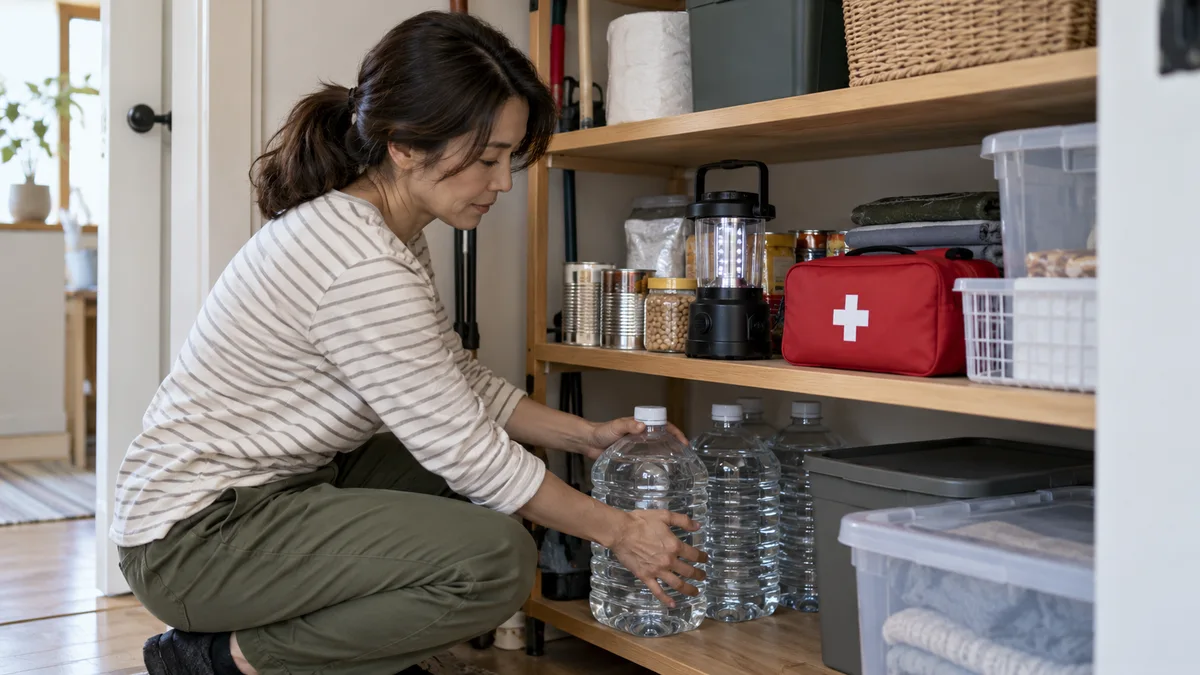
Keep immediate items reachable by the intended user. Place the departure bag where its assigned carrier can retrieve it without moving a stack of unrelated boxes. Store the larger reserve in a practical location that does not obstruct shared exits or ordinary movement. Account for children, pets and the way household members actually use the space.
Our earthquake emergency kit checklist covers the contents, with product comparisons for lighting, drinking-water carry and broadcast information. Use it to identify missing functions before shopping. A second flashlight may be useful if it solves a real access problem; a fourth duplicate tool in the same cupboard may not.
For a packing inventory, the free bug out bag Excel checklist records target quantities, packed items, missing supplies and known weight. Test the packed load with the actual carrier under ordinary conditions. A spreadsheet cannot decide whether a bag is manageable on your stairs.
A dedicated light for your apartment kit
As an Amazon Associate I earn from qualifying purchases. Research-based example; no hands-on testing is claimed.
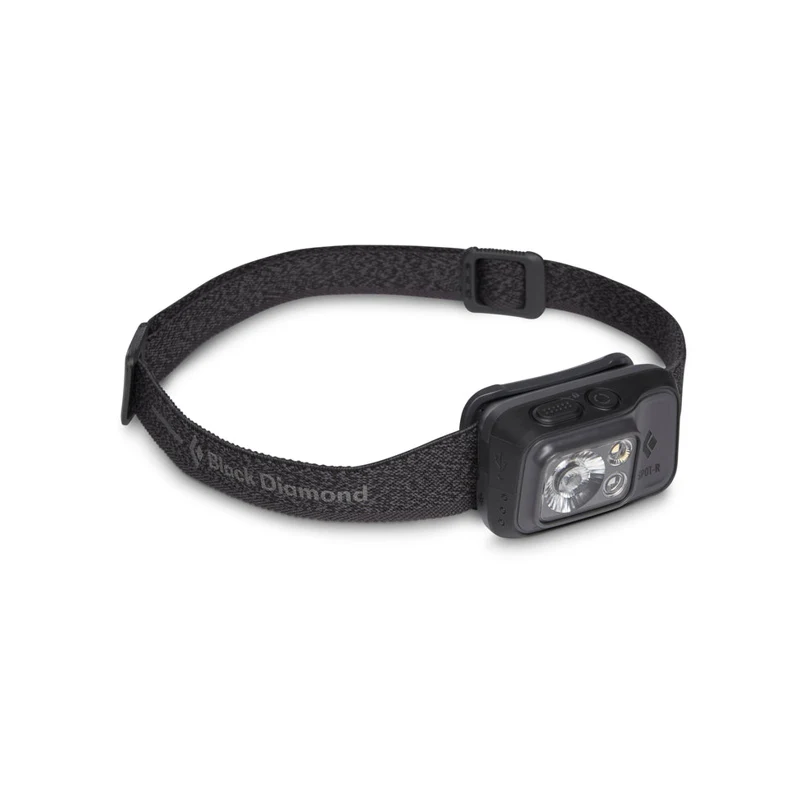
Black Diamond Spot 400-R Headlamp
Compare a dedicated rechargeable light when deciding how household members will find supplies during a permitted post-shaking check. Manufacturer specifications include up to 400 lumens, an integrated 1,500 mAh battery and Micro-USB charging.
Pack the matching cable and charging arrangement. A working light does not establish that a corridor, stairwell or building is safe to enter.
View headlamp on AmazonPlan water around storage, dispensing and individual needs
CDC's emergency water baseline is at least one U.S. gallon per person per day for three days, with two weeks if possible and additional needs considered. For two people, the three-day baseline is six gallons, approximately 22.7 liters. Four people require 12 gallons, approximately 45.4 liters. These are household reserve figures, not a single-bag carrying target.
The practical apartment question is how to store and use that quantity. Can the intended person lift the filled container? Can they pour from it without needing another adult? Does the storage location remain accessible in ordinary daily use? Several manageable containers may fit your household better than one large vessel.
Keep drinking-water storage clearly identified and separate from chemicals. Follow the container and water-storage guidance rather than treating any spare bottle as suitable. Our emergency water storage guide for apartments addresses storage arrangements, while the kit guide includes a visual quantity chart.
Ask management which parts of the building's water supply rely on powered equipment. Record the answer rather than assuming that a running tap in one unit proves every floor has the same supply. After an incident, follow the actual utility and public-health advisory about water quality.
Treat sanitation as a separate building-system question
The toilet, incoming water and wastewater route are not the same system. A conventional toilet may not require household electricity to initiate a flush, while another part of the building's supply or wastewater arrangement does. Your bathroom contingency needs the relevant system information and current instructions.
Use our toilet use during a power outage guide to frame the questions, and the apartment emergency toilet guide for a locally appropriate alternative when normal use is unavailable. Do not test an uncertain or damaged drain by repeatedly flushing it.
Record privacy, accessibility, handwashing and the responsible waste authority's instructions. A bucket stored in a closet is not a complete sanitation plan if nobody has established who can use it or how waste will be managed. Keep the unresolved steps visible in the same inventory as the equipment.
Build a communication plan beyond the group chat
Choose a household check-in contact, agree how to leave a short status message and record a meeting arrangement that everyone understands. Include school, care-provider and pet arrangements where relevant. Keep the plan available offline, with access controlled appropriately for private details.
CDC's after-earthquake guidance recommends staying informed through available broadcasts, alerts and messages, and notes that texts may be more reliable than calls. Reserve emergency calls for emergencies. A charged phone is useful, but it cannot guarantee working networks or that a message reaches somebody immediately.
For neighbors, start with consent and practical limits. Exchange only the details both parties want to share. Ask what help is welcome, what help is beyond your ability and what happens if either person is away. Avoid public lists of medical conditions, access codes or residents' private locations.
A neighbor check-in complements official response; it does not authorize entry into another apartment, unsafe rescue activity or interference with building equipment. Keep the agreement ordinary and specific: who contacts whom, by which method, and which questions remain unanswered.
After shaking, follow conditions rather than an automatic rule
CDC warns about damaged buildings, leaking utilities, fallen power lines and aftershocks. Do not enter damaged buildings. If you feel another earthquake, protect yourself again. Obtain current official directions about building access and movement; a household checklist cannot clear a stairwell or declare a structure safe.
Keep a light and sturdy footwear available, but do not let the location of your supplies pull you back toward a hazard. Report urgent danger through the appropriate emergency channel. Follow utility instructions rather than operating shared shutoff equipment from a generic online procedure. Do not use flames or electrical switches where a gas leak may be present.
If the apartment is in a tsunami hazard area, the plan needs the local tsunami procedure as well. The National Weather Service treats strong or long shaking as a natural warning in coastal risk areas. Follow the local evacuation guidance after shaking; do not invent a vertical-evacuation plan merely because you live on an upper floor.
Does living higher up mean the apartment is unsafe?
Floor number alone is not a structural assessment. I would ask for the building information and qualified assessment relevant to that property instead of choosing between sweeping claims that upper floors are either always safer or always more dangerous. Construction, condition and site-specific factors cannot be established from an apartment listing photograph.
USGS earthquake guidance distinguishes protective actions from common myths, including the idea that a doorway is automatically the best shelter. Follow the applicable action for your situation rather than trying to reach a supposedly perfect floor or doorway during shaking.
Before renting or renewing, collect the records or management responses available to you and put questions to the appropriate local building authority or qualified professional. Keep the answer distinct from an agent's description of the view, age or finish of the apartment. An attractive lobby is not seismic documentation.
A manageable first-week plan for renters
On the first evening, review the places where household members sleep and spend time. Move a manageable overhead item or other obvious contents hazard when you can safely do so. Record the installations and permissions that remain unresolved. Check the bedside light and footwear access rather than putting the whole task on a future shopping list.
Next, send management the questions relevant to your building through its ordinary reporting channel. Keep the response with your household plan. Agree on contacts and assistance with the people involved. If a question receives no clear answer, leave it open and identify the next appropriate person to ask.
Then inventory the supply reserve and the departure bag separately. Check filled quantities, working equipment and the actual carrier's ability to use the arrangement. Our apartment power-outage checklist covers lighting, communications and interrupted services without duplicating the earthquake protective-action plan.
Finish with a short household review. Ask each person to describe the immediate protective action, the agreed check-in and where to find their supplies. Update the plan after a move, a change in mobility or care needs, a different roommate or a revised building procedure.
Your apartment earthquake preparedness checklist
Tick an item only when the relevant task or arrangement is confirmed. These on-page boxes are temporary; keep an offline household record.
Questions about earthquake safety in an apartment
Should I run downstairs during an earthquake?
No. CDC's high-rise guidance is to stay inside, avoid elevators and protect yourself during shaking. Decisions about leaving afterward depend on hazards and current directions. Plan building procedures before an incident rather than treating stairs as an automatic first response.
Can renters secure furniture without drilling?
Some useful work involves reorganizing contents, such as moving a heavy object to a lower location. Restraining furniture is a separate installation question. Check the furniture and restraint instructions, wall construction and required permission. Do not assume a removable adhesive is equivalent to an appropriate anchored restraint.
Where should I keep an apartment earthquake kit?
Separate immediate bedside supplies, a portable departure bag and the larger home reserve. Choose reachable locations suited to the actual user, keep filled quantities recorded and avoid obstructing exits. The earthquake kit guide provides the contents and water-planning chart.
What if I cannot use the stairs?
Resolve an individual assistance arrangement with building management and the appropriate support people before an emergency. Confirm willing helpers, training or equipment needs and a fallback. Do not depend on an elevator remaining operational or an unplanned manual carry.
Is this guide a building safety inspection?
No. It is a household preparation and question framework. For structural condition, access clearance, utility equipment or a specific assisted-evacuation procedure, obtain the responsible authority's or qualified professional's guidance. Use our earthquake preparedness pillar to connect those answers with the rest of your household plan.
Sources and editorial method
Researched October 16, 2026. R&R combines linked U.S. public-health and earthquake guidance with original renter task tables, management questions and planning diagrams. Responsibilities in the tables are practical questions to confirm, not a statement of landlord-tenant law. This guide is not a building inspection, certified evacuation plan or individual medical assessment.
The household scenes illustrate preparation rather than an actual earthquake. The headlamp photograph is manufacturer imagery; no personal product test is claimed.